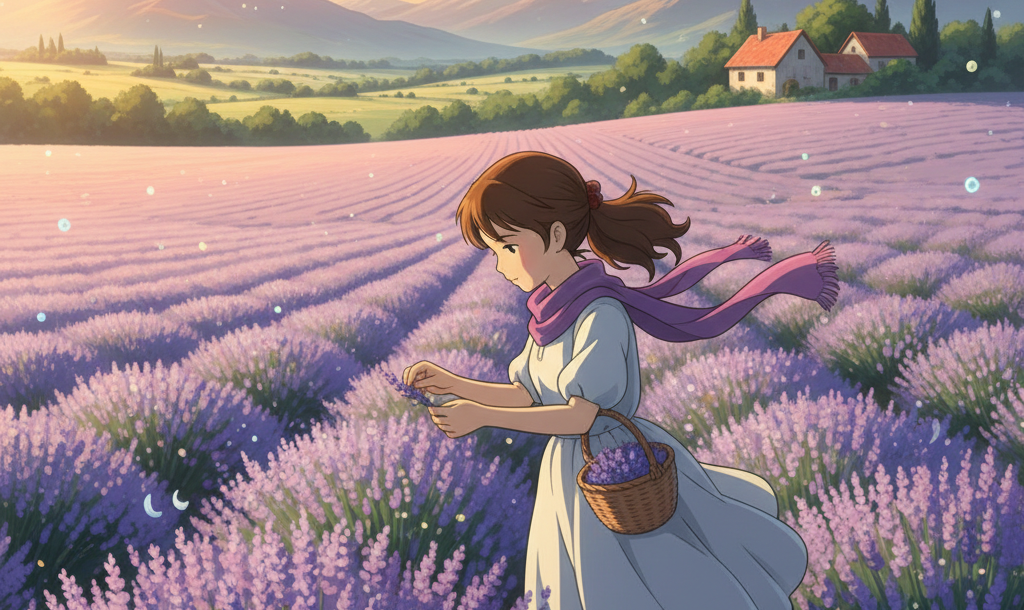
Did you know that it takes approximately 75,000 saffron flowers to produce just one pound of the finished spice? This incredible labor intensity is why saffron is often referred to as “Red Gold,” with market prices sometimes exceeding the price of actual gold per ounce. Similarly, lavender, though more common, remains a high-value powerhouse in the essential oil and wellness industries. For most farmers, agriculture is a game of high volume and low margins—growing tons of crops for pennies. The challenge is that small-scale growers often feel they cannot compete with industrial farms because they lack the equipment to produce massive quantities.
The pain point is clear: how can a small landowner generate a significant income without owning a thousand acres? The ultimate solution is High-Value Aromatic Farming. By focusing on premium crops like Saffron and Lavender, you are no longer selling “food”; you are selling a luxury commodity. These crops thrive in small spaces and reward precision over power. This article will explore the core fundamentals of growing these botanical treasures, the economic benefits they offer, and a practical roadmap to starting your own high-value spice farm.
💡 Understanding Saffron and Lavender: Key Concepts and Importance
To understand Saffron and Lavender farming, you must look at them as “concentrated value.” Unlike a potato, where you eat the whole tuber, with these crops, you are harvesting tiny, potent parts of the plant—the delicate stigmas of the Saffron Crocus and the oil-rich flower spikes of Lavender.
Key Concepts:
- Saffron (Crocus sativus): This is a fall-blooming bulb. The “spice” is actually the three tiny red stigmas inside each purple flower. It requires a specific climate with hot, dry summers and cool, crisp autumns.
- Lavender (Lavandula): A perennial shrub known for its fragrance. While it produces flowers for many years, the real value lies in the Essential Oil found in the tiny glands on the flower buds.
- Harvest Window: Both crops have very specific, intense harvest windows. Saffron must be picked at dawn before the flowers wilt, and Lavender is best harvested when just a few blossoms have opened on the spike.
The Analogy: Growing Saffron and Lavender is like “Mining for Jewelry” rather than “Digging for Coal.” You aren’t moving mountains of earth; you are carefully sifting through the soil to find the rare diamonds. You don’t need a massive bulldozer; you need a sharp eye and a steady hand.
✨ Why It Matters: The Top Benefits of High-Value Aromatics
Choosing to grow the world’s most expensive spices offers a level of financial and environmental resilience that commodity crops simply cannot match.
- Incredible Revenue Density: Saffron can sell for $5,000 to $10,000 per pound at the retail level. Even a small backyard plot can produce several hundred dollars worth of spice.
- Drought Tolerance: Once established, both Saffron and Lavender are extremely hardy. They prefer well-drained, sandy soil and require much less water than traditional vegetables, making them perfect for changing climates.
- Multiple Income Streams: Lavender, in particular, allows for “Value-Added” products. You can sell fresh bouquets, dried sachets, essential oils, or even “culinary lavender” for high-end bakeries.
- Perennial Stability: Lavender plants can live and produce for 10 to 15 years, and Saffron bulbs (corms) multiply underground every year, meaning your initial investment grows over time for free.
Pro Fact: Because Saffron and Lavender are “Specialty” crops, they are almost entirely immune to the price fluctuations of the global grain market, giving the small farmer a stable, recession-proof income.
🌱 How to Get Started: A Practical Guide for Beginners
Starting a spice farm requires patience and a focus on soil quality. Follow this 5-step plan to begin your journey:
- Step 1: Test Your Drainage: Neither plant can survive in “wet feet.” If your soil is heavy clay, you must build raised beds or mix in significant amounts of sand and organic compost to ensure perfect drainage.
- Step 2: Source Quality “Corms” and “Starts”: For Saffron, buy large corms (bulbs) from a reputable supplier; larger bulbs flower in their first year. For Lavender, buy “starts” or small plants rather than seeds, as seeds are slow and inconsistent.
- Step 3: Timing the Planting: Plant Saffron corms in late summer (August/September) about 4–6 inches deep. Plant Lavender in early spring after the last frost, giving them plenty of space (2-3 feet) for airflow.
- Step 4: The Delicate Harvest: For Saffron, harvest the purple flowers the moment they appear in October/November. Use tweezers to carefully remove the three red threads and dry them immediately in a cool, dark place.
- Step 5: Pruning for Success: Lavender requires an annual “haircut.” Prune the plants after the harvest to prevent them from becoming “woody” and to encourage more flowers next season.
Beginner’s Tip: Start with Saffron if you have very little space. It can even be grown in containers or milk crates. If you have more land but poor soil, Lavender is your best bet as it thrives in “marginal” land where other plants die.
🚀 Overcoming Challenges and Looking into the Future
The biggest challenge for Saffron is the back-breaking labor of harvest; since it must be done by hand, labor costs can be high if you scale too fast. For Lavender, the challenge is humidity; too much moisture in the air can cause root rot.
Looking forward, the future is “Robot-Assisted Spice Farming.” Researchers are developing small, AI-driven robots that can identify and pick saffron flowers without damaging the bulbs. Additionally, the global shift toward “Natural Fragrances” over synthetic chemicals means the demand for pure, organic Lavender oil is expected to double in the next decade, ensuring a bright future for small-scale aromatic growers.
✅ Conclusion
Growing Saffron and Lavender is the ultimate way to turn a small plot of land into a high-earning boutique farm. These crops don’t just provide an income; they provide beauty, fragrance, and a deep connection to the history of agriculture. By focusing on quality and learning the art of the harvest, any small landowner can compete on the global stage of luxury spices. The world is hungry for “Red Gold” and the calming scent of Lavender—why not grow it in your own backyard?
Call to Action: This month, order just 50 Saffron corms. Plant them in a small raised bed or even a few large pots. Experiencing your first harvest of “Red Gold” this autumn will change the way you think about farming forever!
❓ Frequently Asked Questions (FAQs)
1. Does Saffron grow in hot climates? Yes, Saffron loves hot, dry summers. It actually goes “dormant” in the summer heat and only wakes up when the autumn rains and cool nights arrive.
2. Which Lavender variety is most profitable? Lavandula x intermedia (like the ‘Grosso’ variety) is best for high oil yield, while Lavandula angustifolia (English Lavender) is best for culinary use and high-end perfumes.
3. How do I dry Saffron correctly? Place the red threads on a fine mesh screen or a paper towel in a warm, dry room (away from direct sunlight) for 24 hours. Once they are “brittle” to the touch, store them in an airtight glass jar.
4. Can I make a living off just Lavender? Yes, but the key is “Value-Adding.” Selling just the raw flowers is okay, but distilling the oil or making lavender-based soaps and candles increases your profit by 500% or more.