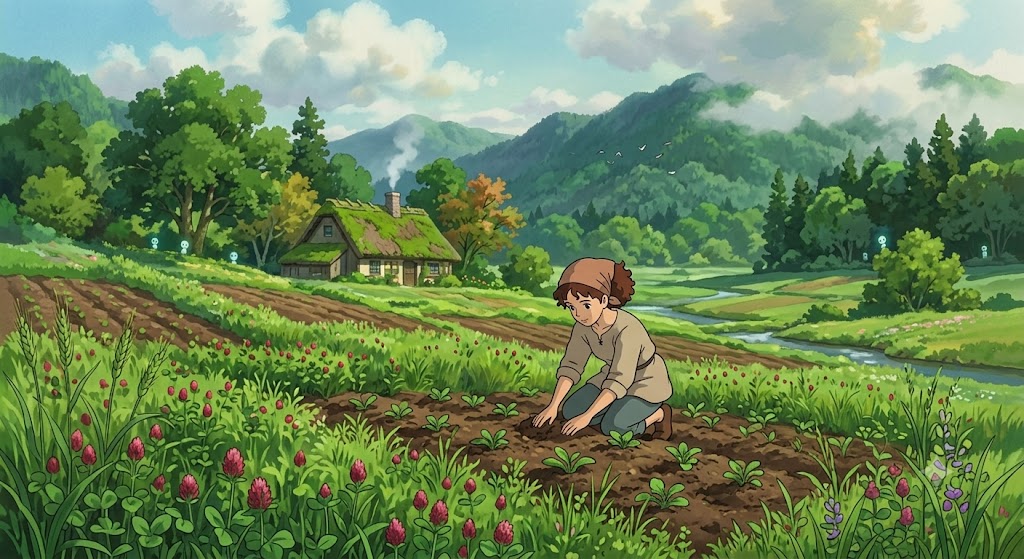
Choosing the right crop is one of the most important decisions a farmer makes each season. Even the most expensive or popular crop may fail if it is grown in an unsuitable climate. On the other hand, a crop that perfectly matches local weather, soil, and market conditions can produce excellent yields and generate impressive profits year after year.
Many beginners focus only on market prices when selecting crops. While market demand is important, long-term success depends on choosing crops that thrive naturally in your farming environment. Climate influences temperature, rainfall, humidity, growing season length, pest pressure, and water availability—all of which directly affect crop performance and profitability.
This guide explains how farmers can evaluate their local conditions and choose high-profit crops that offer the best chance of commercial success.
Why Climate Matters More Than Market Price
A crop may have excellent selling prices, but if it struggles to grow under local conditions, production costs increase while yields decline.
Choosing climate-appropriate crops offers several advantages:
- Higher productivity
- Better crop quality
- Lower irrigation costs
- Reduced pest and disease problems
- More efficient fertilizer use
- Improved profitability
- Lower farming risks
Working with your climate instead of against it is one of the smartest business decisions in agriculture.
Understand Your Local Climate
Before selecting a crop, farmers should gather basic information about their region.
Important climate factors include:
- Average annual temperature
- Rainfall distribution
- Humidity levels
- Frost occurrence
- Wind conditions
- Sunshine hours
- Length of growing season
Keeping weather records from previous years helps identify seasonal patterns that influence crop performance.
Know Your Growing Season
Every crop requires a certain number of days to complete its life cycle.
Some crops mature within 60–90 days, while fruit trees may take years before producing commercial harvests.
When evaluating a crop, compare:
- Planting season
- Expected maturity period
- Harvest window
- Local weather during each growth stage
Matching crop duration with favorable weather significantly improves yield potential.
Evaluate Your Soil Before Choosing a Crop
Climate alone cannot determine crop success. Soil quality is equally important.
Healthy, fertile soil allows crops to develop strong root systems and absorb nutrients efficiently.
Check:
- Soil texture
- Drainage
- Organic matter
- pH level
- Fertility
- Moisture-holding capacity
Some crops tolerate sandy soils, while others perform better in clay or loam soils.
A simple soil test provides valuable information before investing in seed.
Assess Water Availability
Reliable water supplies increase the range of profitable crops that can be grown.
Ask yourself:
- Is irrigation available?
- Do you depend entirely on rainfall?
- How often does drought occur?
- Is groundwater sufficient?
If water is limited, drought-tolerant crops usually provide better long-term returns than water-intensive crops.
Research Local Market Demand
Even an excellent crop may generate poor profits if buyers are unavailable.
Before planting, investigate:
- Local wholesale markets
- Retail demand
- Food processing companies
- Export opportunities
- Contract farming options
- Seasonal price trends
Growing crops with stable demand reduces marketing risks.
Compare Production Costs
Profit depends on income after expenses—not simply on selling price.
Estimate costs such as:
- Seeds
- Fertilizers
- Organic inputs
- Irrigation
- Labor
- Machinery
- Pest management
- Harvesting
- Transportation
Some premium crops require significant investment before generating returns.
Choose crops that match both your budget and farming experience.
Match Crops to Temperature Conditions
Different crops perform best within specific temperature ranges.
Cool Climate Crops
Suitable examples include:
- Wheat
- Barley
- Peas
- Cabbage
- Broccoli
Moderate Climate Crops
Examples include:
- Corn
- Soybeans
- Tomatoes
- Garlic
- Onions
Warm Climate Crops
Popular choices include:
- Rice
- Cotton
- Peanuts
- Chili peppers
- Turmeric
- Ginger
Selecting crops suited to local temperatures reduces stress and improves productivity.
Consider Rainfall Patterns
Rainfall is just as important as temperature.
Areas with reliable rainfall may successfully grow:
- Rice
- Sugarcane
- Bananas
Regions receiving moderate rainfall often support:
- Corn
- Soybeans
- Wheat
- Vegetables
Dry regions may benefit from:
- Millet
- Sorghum
- Chickpeas
- Sesame
- Certain medicinal plants
Choosing crops that match rainfall reduces irrigation expenses.
Think Beyond Traditional Crops
Many farmers continue growing the same crops simply because previous generations did.
However, changing consumer demand has created opportunities for higher-value alternatives.
Examples include:
- Mushrooms
- Medicinal herbs
- Lavender
- Garlic
- Turmeric
- Ginger
- Specialty vegetables
- Exotic fruits
Evaluating new market opportunities can significantly increase farm income.
Diversify Instead of Depending on One Crop
Growing several complementary crops often provides greater financial stability than relying on a single crop.
Diversification offers benefits such as:
- Reduced financial risk
- Better soil health
- Improved cash flow
- Lower pest pressure
- More efficient labor use
For example, a farmer may combine vegetables, herbs, fruit trees, and spices to generate income throughout the year.
Pay Attention to Pest and Disease Risks
Climate influences pest populations and disease outbreaks.
Warm, humid regions often experience greater fungal pressure, while dry climates may favor different insect pests.
Choose crop varieties with:
- Disease resistance
- Pest tolerance
- Strong local performance
- Proven adaptability
Healthy crops reduce chemical use and improve profitability.
Use Climate-Resilient Varieties
Plant breeders continue developing improved crop varieties capable of tolerating:
- Heat
- Drought
- Flooding
- Salinity
- Disease pressure
Investing in improved varieties increases production reliability under changing weather conditions.
Think About Long-Term Profit Rather Than One Season
Some crops generate income quickly, while others require patience.
Examples:
Short-Term Income
- Leafy vegetables
- Herbs
- Mushrooms
- Radishes
- Spinach
Medium-Term Income
- Garlic
- Ginger
- Turmeric
- Tomatoes
- Chili peppers
Long-Term Investment
- Grapes
- Citrus
- Mangoes
- Avocados
- Olive trees
Balancing short-term and long-term crops creates a more stable farm business.
Sustainable Farming Increases Profitability
Healthy natural resources support higher yields over many years.
Recommended practices include:
- Crop rotation
- Organic compost
- Cover crops
- Mulching
- Efficient irrigation
- Soil conservation
- Integrated pest management
Sustainability improves both productivity and farm resilience.
Mistakes Farmers Should Avoid
Choosing a profitable crop requires careful planning.
Avoid these common mistakes:
- Following market trends without research
- Ignoring climate suitability
- Skipping soil testing
- Planting unfamiliar crops without training
- Underestimating labor requirements
- Growing crops without buyers
- Relying entirely on one crop
Proper preparation reduces costly failures.
Final Thoughts
Selecting the right high-profit crop is about finding the perfect balance between climate, soil, water availability, production costs, and market demand. Farmers who understand their local growing conditions and choose crops that naturally thrive in those conditions are more likely to achieve consistent yields and higher profits. Rather than chasing temporary market trends, successful growers focus on long-term sustainability, careful planning, and continuous improvement.
Combining climate-appropriate crop selection with healthy soil management, efficient irrigation, crop diversification, and responsible farming practices creates a resilient agricultural business capable of adapting to changing weather and market conditions. Smart crop choices made before planting often determine the success of the entire farming season.
Frequently Asked Questions
1. Why is climate important when selecting a crop?
Climate affects temperature, rainfall, humidity, sunlight, and growing season length, all of which influence crop growth, yield, and profitability.
2. Can the most profitable crop fail?
Yes. Even high-value crops can produce poor returns if they are grown in unsuitable soil or climate conditions.
3. How can farmers identify suitable crops for their region?
Farmers should evaluate local weather patterns, soil quality, water availability, market demand, and recommendations from agricultural experts before selecting crops.
4. Is crop diversification a good strategy?
Yes. Growing multiple crops reduces financial risk, improves soil health, extends harvest periods, and provides more stable income.
5. How do sustainable farming practices improve profitability?
Healthy soil, efficient water use, crop rotation, and integrated pest management reduce production costs, improve crop quality, and support long-term farm productivity.