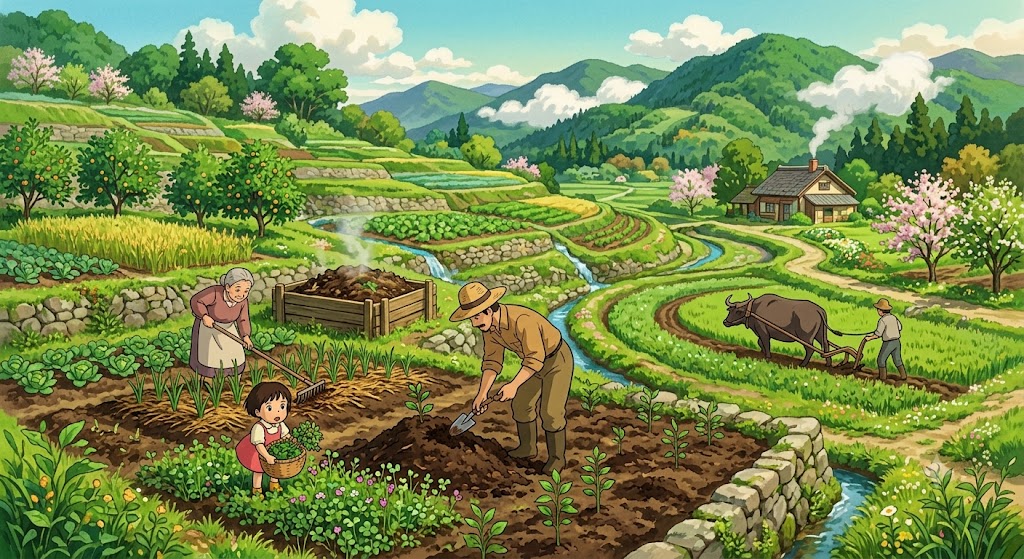
Healthy soil is the foundation of productive agriculture. However, many farming regions around the world are facing the growing challenge of soil degradation. Continuous cultivation, excessive chemical use, erosion, deforestation, overgrazing, poor irrigation practices, and climate-related factors can gradually reduce soil quality and agricultural productivity.
Degraded farmland often suffers from nutrient depletion, poor soil structure, reduced water retention, lower biological activity, and declining crop yields. Fortunately, soil degradation is not always permanent. With proper management and restoration strategies, farmers can recover soil health and rebuild productive agricultural systems.
Implementing practical soil recovery techniques helps restore fertility, improve crop performance, increase profitability, and support long-term sustainability.
Understanding Soil Degradation
Soil degradation occurs when soil loses its ability to function effectively as a growing medium.
Common signs of degraded farmland include:
- Reduced crop yields
- Poor water infiltration
- Increased erosion
- Compacted soil
- Nutrient deficiencies
- Low organic matter content
- Reduced microbial activity
- Increased weed and pest pressure
Identifying the causes of degradation is the first step toward successful soil recovery.
Common Causes of Farmland Degradation
Several factors contribute to declining soil health.
Excessive Tillage
Frequent tillage can:
- Destroy soil structure
- Increase erosion
- Reduce organic matter
- Disrupt beneficial microorganisms
Soil Erosion
Wind and water erosion remove valuable topsoil that contains nutrients and organic matter.
Nutrient Mining
Continuous cropping without replenishing nutrients gradually exhausts soil fertility.
Overuse of Chemical Inputs
Improper fertilizer and pesticide use may negatively affect soil biology and long-term soil health.
Poor Water Management
Improper irrigation can cause:
- Waterlogging
- Salinity buildup
- Nutrient leaching
Understanding these causes helps farmers select the most effective recovery strategies.
1. Increase Organic Matter Content
One of the fastest ways to improve degraded soil is by increasing organic matter.
Organic matter helps:
- Improve soil structure
- Enhance water retention
- Increase nutrient availability
- Support beneficial microorganisms
Effective sources include:
- Compost
- Farmyard manure
- Crop residues
- Green manure crops
- Organic mulches
Regular additions of organic matter gradually rebuild soil fertility and biological activity.
2. Apply Compost Regularly
Compost provides valuable nutrients while improving soil quality.
Benefits include:
- Better nutrient cycling
- Increased microbial activity
- Improved soil aeration
- Enhanced moisture retention
Farm-made compost can be produced using:
- Crop waste
- Animal manure
- Kitchen scraps
- Dry leaves
- Green plant materials
Annual compost applications can significantly accelerate soil recovery.
3. Plant Cover Crops
Cover crops play a major role in restoring degraded farmland.
Popular cover crops include:
- Clover
- Rye
- Oats
- Vetch
- Mustard
- Sunn hemp
Benefits include:
- Erosion control
- Weed suppression
- Organic matter production
- Improved soil structure
- Nitrogen fixation
Cover crops protect the soil surface while contributing valuable biomass.
4. Practice Crop Rotation
Growing the same crop repeatedly often worsens soil degradation.
Crop rotation helps:
- Improve nutrient balance
- Reduce pest populations
- Enhance biological diversity
- Improve soil fertility
For example:
- Follow cereals with legumes.
- Rotate deep-rooted crops with shallow-rooted crops.
- Alternate heavy feeders with nitrogen-fixing crops.
A diversified rotation system promotes healthier soils over time.
5. Reduce Soil Disturbance
Excessive soil disturbance can slow recovery efforts.
Conservation tillage practices help:
- Protect soil structure
- Reduce erosion
- Improve moisture conservation
- Preserve beneficial microorganisms
Many farmers find that reducing tillage gradually improves soil quality and productivity.
6. Improve Water Management
Proper water management is essential for soil recovery.
Effective practices include:
- Drip irrigation
- Rainwater harvesting
- Proper drainage systems
- Irrigation scheduling
- Moisture monitoring
Balanced water management prevents both drought stress and waterlogging.
7. Correct Soil Compaction
Compacted soils restrict root growth and limit water infiltration.
Methods for reducing compaction include:
- Deep-rooted cover crops
- Controlled traffic farming
- Reduced machinery use
- Organic matter incorporation
Improving soil structure allows roots to access nutrients and water more effectively.
8. Restore Soil Biology
Healthy soil contains billions of beneficial organisms.
Important soil organisms include:
- Bacteria
- Fungi
- Earthworms
- Actinomycetes
These organisms help:
- Break down organic matter
- Release nutrients
- Improve soil structure
- Suppress certain diseases
Supporting soil biology is essential for long-term soil restoration.
9. Use Green Manure Crops
Green manure crops are grown specifically to improve soil quality.
Common options include:
- Alfalfa
- Clover
- Cowpea
- Sunn hemp
- Sesbania
These crops are incorporated into the soil before maturity.
Benefits include:
- Increased organic matter
- Improved nutrient availability
- Enhanced microbial activity
- Better soil structure
Green manures serve as natural soil-building tools.
10. Prevent Future Erosion
Recovered soil can quickly deteriorate if erosion continues.
Farmers can reduce erosion through:
- Contour farming
- Terracing
- Windbreaks
- Cover crops
- Permanent vegetation barriers
Protecting topsoil is critical for maintaining restoration gains.
11. Address Soil Nutrient Deficiencies
Nutrient shortages often limit crop growth on degraded land.
Soil testing helps identify deficiencies in:
- Nitrogen
- Phosphorus
- Potassium
- Calcium
- Magnesium
- Micronutrients
Balanced nutrient management supports faster soil recovery and healthier crops.
12. Integrate Livestock and Crop Systems
Integrated farming systems improve nutrient recycling.
Benefits include:
- Natural manure production
- Increased organic matter
- Improved farm sustainability
- Reduced fertilizer costs
Livestock can play an important role in rebuilding soil fertility.
13. Establish Agroforestry Systems
Trees can contribute significantly to soil recovery.
Agroforestry benefits include:
- Reduced erosion
- Improved nutrient cycling
- Enhanced biodiversity
- Better moisture conservation
- Increased carbon storage
Tree roots also help stabilize soil and improve long-term land productivity.
14. Monitor Soil Progress
Recovery takes time and requires regular evaluation.
Farmers should monitor:
- Organic matter levels
- Soil structure
- Crop performance
- Water infiltration
- Biological activity
- Nutrient status
Tracking improvements helps guide future management decisions.
Creating a Soil Recovery Plan
Successful restoration often combines multiple techniques.
A practical recovery plan may include:
- Soil testing
- Compost applications
- Cover cropping
- Crop rotation
- Reduced tillage
- Improved irrigation management
- Erosion control measures
- Organic matter additions
Consistent implementation produces the best long-term results.
Benefits of Restored Farmland
Recovering degraded soil provides numerous advantages:
- Higher crop yields
- Better water efficiency
- Reduced production costs
- Improved nutrient availability
- Greater climate resilience
- Enhanced biodiversity
- Long-term farm sustainability
Healthy soils create stronger farming systems capable of supporting future agricultural productivity.
Conclusion
Soil degradation poses a serious threat to agricultural production, but practical recovery techniques can restore fertility and improve long-term farm performance. By increasing organic matter, planting cover crops, rotating crops, improving water management, reducing tillage, and supporting soil biology, farmers can rebuild healthy and productive farmland.
Soil recovery is not an overnight process, but consistent management and sustainable practices can transform degraded fields into fertile, resilient agricultural systems. Farmers who invest in soil restoration today are securing stronger harvests, healthier ecosystems, and more profitable farming operations for years to come.