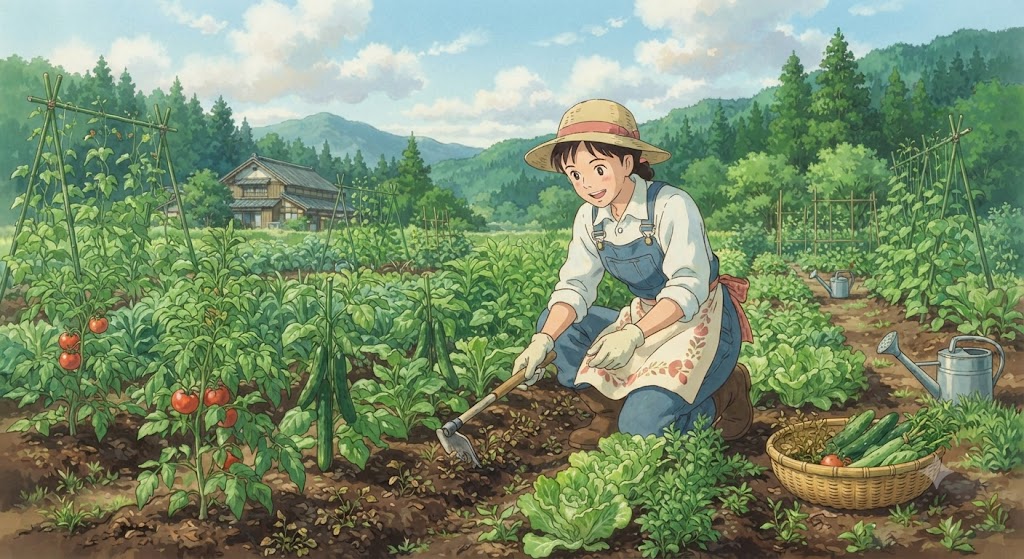
Why Weed Control Matters
Weeds are more than an untidy part of a field or garden. They compete with crops for sunlight, water, nutrients, and growing space. In severe cases, they can also interfere with harvesting, provide shelter for pests, and make it harder for crops to reach their full potential.
Effective weed management does not necessarily mean trying to eliminate every unwanted plant. A more practical goal is to keep weeds below a level where they cause significant economic or production problems.
This approach is known as integrated weed management. It combines several methods instead of depending on a single solution.
The most useful strategy can include prevention, crop competition, cultivation, mulching, cover crops, hand removal, and—where appropriate—carefully selected herbicides.
Start by Identifying the Weed
Before choosing a control method, identify what is actually growing in the field.
Different weeds behave differently. Some are annual plants that complete their life cycle within one growing season. Others are perennial weeds that can survive from year to year through roots, crowns, rhizomes, or other underground structures.
Common categories include:
- Annual grasses such as crabgrass and foxtail
- Broadleaf weeds such as pigweed and chickweed
- Perennial weeds such as thistles and some types of creeping grasses
- Vining or climbing weeds that can interfere with crop growth
- Aquatic or wet-area weeds in poorly drained locations
Correct identification matters because a method that works well against a young annual weed may be much less effective against an established perennial.
Farmers can use local extension services, agricultural advisers, field guides, or plant-identification resources when identification is uncertain.
Prevention Is the First Line of Defense
Preventing weeds from becoming established is often easier than controlling a serious infestation later.
Several simple practices can reduce the number of weed seeds entering a production area.
Use Clean Planting Material
Seeds, compost, manure, equipment, and irrigation water can sometimes introduce unwanted plants.
Using reputable seed sources and properly managed soil amendments can reduce the chance of introducing troublesome weeds.
Prevent Weeds From Producing Seeds
This is one of the most important long-term strategies.
A weed that survives long enough to produce thousands of seeds can create problems for several future seasons.
Removing weeds before they reach maturity can gradually reduce the number of viable weed seeds in the soil.
Keep Field Edges Managed
Fence lines, drainage channels, roadsides, and uncultivated areas can become sources of weed seeds.
Regular monitoring of these areas can help prevent weeds from spreading into cultivated fields.
Crop Competition Can Suppress Weeds
Healthy crops are powerful competitors.
A crop that establishes quickly and develops a dense canopy can shade the soil surface and make conditions less favorable for many weeds.
Crop competition can be improved through appropriate:
- Plant spacing
- Row arrangement
- Planting dates
- Varieties
- Nutrient management
- Irrigation
- Crop establishment
However, increasing crop density is not always the answer. Excessive competition among crop plants can create its own problems, including disease pressure and reduced individual plant performance.
The objective is to establish a crop that uses available resources efficiently without creating unnecessary stress.
Mulching: A Simple Physical Barrier
Mulch can be highly effective for reducing weed emergence.
Organic materials such as straw, leaves, composted materials, or other suitable plant residues can cover the soil surface and reduce the amount of light reaching weed seeds.
In vegetable production and smaller growing areas, other forms of mulch may also be used depending on the crop and production system.
Mulch can provide additional benefits:
- Reduce soil evaporation
- Moderate soil temperature
- Reduce erosion
- Protect soil from heavy rainfall
- Add organic matter when suitable organic materials break down
The material should be appropriate for the crop and free from viable weed seeds.
Mechanical Weed Control
Mechanical control involves physically disturbing or removing weeds.
Depending on the scale of production, this may include:
- Hand weeding
- Hoes
- Cultivators
- Inter-row cultivation
- Mowers
- Specialized mechanical weeders
Mechanical cultivation works particularly well when weeds are small and relatively easy to disturb.
Timing is critical.
A large established weed with a strong root system can be considerably harder to control than a small seedling.
However, excessive cultivation can damage crop roots, disturb soil structure, increase erosion, and bring new weed seeds closer to the soil surface.
The goal is therefore targeted cultivation rather than unnecessary soil disturbance.
Weed Control Through Cover Crops
Cover crops can play an important role in suppressing weeds between periods of cash-crop production.
Depending on the farming system and region, growers may use crops such as:
- Cereal grains
- Legumes
- Buckwheat
- Certain forage crops
- Mixtures of several species
Cover crops occupy space that would otherwise be available to weeds.
A dense cover crop can shade the soil, compete for resources, and in some situations contribute plant residues that help suppress later weed emergence.
Cover crops can also support soil health, reduce erosion, and contribute organic matter.
However, they must be managed carefully. A poorly terminated cover crop can itself become difficult to control or interfere with the following crop.
Crop Rotation Can Reduce Weed Pressure
Growing the same crop repeatedly can create a predictable environment in which certain weeds thrive.
Crop rotation changes the conditions from one season to the next.
For example, different crops may involve different:
- Planting dates
- Row spacing
- Canopy development
- Cultivation practices
- Harvest periods
- Weed-control methods
This variation makes it more difficult for one particular weed species to dominate continuously.
Rotation is particularly useful when combined with other management practices rather than being treated as a standalone solution.
Water Management Matters Too
Irrigation can influence weed growth.
Applying water across an entire field can sometimes encourage weeds between crop plants. Where appropriate, targeted irrigation systems can deliver water closer to crop root zones while keeping some areas of the soil surface relatively dry.
Drip irrigation is one example that can reduce unnecessary wetting between rows in some production systems.
Water management should still prioritize crop needs. The objective is not to deprive the crop of water simply to discourage weeds.
Herbicides: Use Them Carefully and Correctly
Herbicides can be an important part of modern weed management, especially on larger farms where manual removal is impractical.
However, they should not automatically be the first or only method used.
Effective herbicide use requires attention to:
- Weed species
- Weed growth stage
- Crop type
- Product label
- Application rate
- Weather conditions
- Spray equipment
- Required protective equipment
- Buffer and environmental requirements
- Restrictions on the crop and site
Product labels and local regulations should always be followed.
Herbicides also have different modes of action. Repeatedly relying on the same mode of action can increase the risk of herbicide-resistant weed populations.
Rotating or combining appropriate control methods can help reduce that risk.
Why Herbicide Resistance Is a Serious Issue
Some weed populations can evolve resistance after repeated exposure to the same herbicide mode of action.
This means a treatment that previously provided effective control may gradually become less effective.
Resistance management therefore starts with diversification.
Farmers can combine:
- Crop rotation
- Mechanical control
- Cover crops
- Competitive crop establishment
- Timely herbicide applications
- Different herbicide modes of action when appropriate
The specific products and combinations suitable for a farm depend on local regulations, crop registration, and professional recommendations.
Don’t Ignore Weeds Between Rows
Many growers focus heavily on the area immediately surrounding crops while overlooking weeds in paths and between production areas.
Those weeds can produce seeds that return to the cultivated soil later.
Keeping non-crop areas appropriately managed can therefore be part of a broader weed-control plan.
This does not mean removing every plant from every field edge. Beneficial vegetation can provide habitat and reduce erosion. The goal is to manage areas according to their purpose while preventing problematic weeds from spreading.
Timing Often Determines Success
The same weed-control method can produce very different results depending on when it is used.
Young weeds are generally easier to remove than mature plants.
A useful management cycle is:
Monitor → Identify → Act early → Recheck → Prevent regrowth
Regular scouting is therefore one of the cheapest tools available.
Walking fields at regular intervals can reveal new weed outbreaks before they become widespread.
Farmers should pay particular attention after:
- Rainfall
- Irrigation
- Soil disturbance
- Planting
- Harvest
- Herbicide applications
- Periods of warm weather
These conditions can trigger new weed emergence.
Protect the Crop While Controlling Weeds
An aggressive weed-control program can sometimes damage the crop it is intended to protect.
Mechanical equipment can injure roots or stems. Herbicides can cause crop injury if incorrectly selected or applied. Heavy cultivation can disturb soil. Thick mulch can sometimes create moisture or pest-management issues if used incorrectly.
For this reason, weed control should always be considered within the wider production system.
Ask:
Will this method control the weed without creating a larger problem for the crop, soil, water, or future seasons?
That question encourages more sustainable decision-making.
A Practical Integrated Weed-Control Plan
A simple annual strategy can look like this:
Before planting
Identify historical weed problems and review previous field records.
During soil preparation
Avoid unnecessary soil disturbance and remove established perennial weeds where practical.
At planting
Use clean seed, establish a competitive crop, and consider appropriate spacing and planting methods.
Early crop growth
Scout regularly and control weeds while they are still small.
During the season
Combine cultivation, mulch, crop competition, hand removal, or approved herbicide options as appropriate.
Before harvest
Prevent mature weeds from producing seeds and interfering with harvesting.
After harvest
Manage residues, consider cover crops, and prevent weeds from reproducing during the off-season.
This approach is generally more resilient than waiting until weeds become severe and then trying to solve the entire problem at once.
Measuring Whether Your Strategy Works
Good weed management should be measurable.
At the end of a growing season, record:
- Major weed species
- Areas with the highest pressure
- Weed density
- Control methods used
- Timing of control
- Crop damage
- Labor requirements
- Herbicide costs, where applicable
- Yield differences
- Weed problems that returned after treatment
Over several seasons, these records can show patterns.
For example, one field may consistently develop a particular weed after early-season cultivation, while another may respond well to a cover crop. These observations can help farmers adjust future management.
The Bigger Goal: Fewer Weeds Over Time
The best weed-control program is not necessarily the one that removes every weed immediately.
A stronger long-term strategy reduces weed pressure while protecting the productivity of the farm.
That means preventing seed production, maintaining competitive crops, diversifying management methods, protecting soil, using chemicals responsibly when needed, and monitoring fields regularly.
Weed management is ultimately a process rather than a single treatment.
When farmers combine several complementary methods and make decisions based on local conditions, crops can compete more effectively for water, nutrients, sunlight, and space. The result can be healthier fields, more manageable production costs, and a more sustainable approach to crop production.