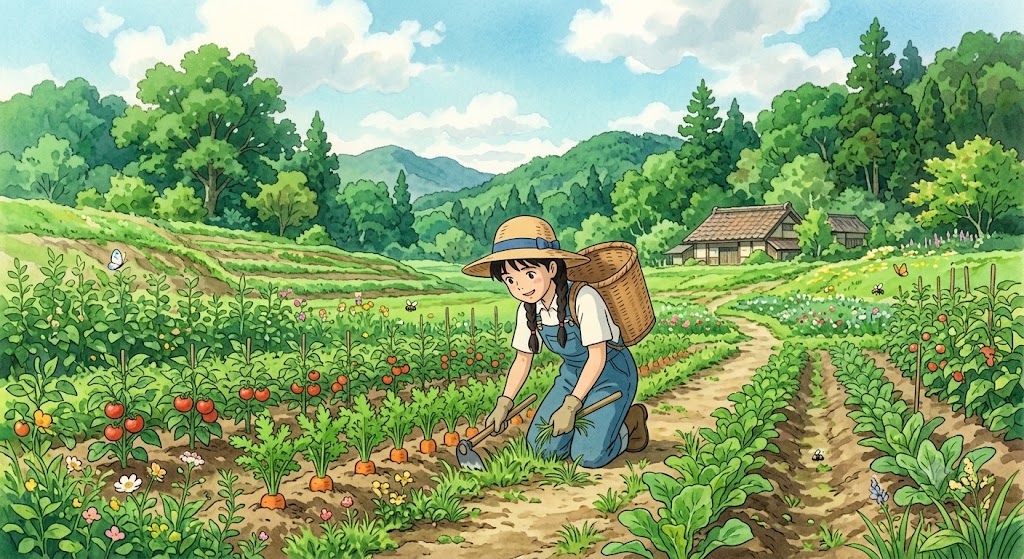
Weeds are an unavoidable part of farming, but they should never be allowed to control the field. Every growing season, weeds compete with crops for sunlight, water, nutrients, and space, reducing plant vigor and limiting overall productivity. In severe infestations, weeds can cause significant yield losses, interfere with harvesting operations, and even increase the spread of insects and plant diseases.
Successful weed management is not about removing every weed from a field. Instead, it involves keeping weed populations below harmful levels while allowing crops to grow without excessive competition. Modern farming increasingly combines preventive, cultural, mechanical, biological, and responsible chemical methods to create long-term weed management systems that protect both productivity and the environment.
This guide explains practical weed management strategies that help farmers grow healthier crops while reducing production costs and maintaining sustainable farming practices.
Understanding Why Weed Management Matters
Healthy crops require adequate access to water, nutrients, sunlight, and growing space. Weeds compete for all of these essential resources from the moment they germinate.
Poor weed control may lead to:
- Reduced crop yields
- Slower plant growth
- Lower grain and fruit quality
- Increased harvesting difficulties
- Greater pest infestations
- Higher disease pressure
- Reduced farm profitability
Managing weeds early allows crops to establish quickly and use available resources more efficiently.
Identify Weed Species Before Taking Action
Different weeds require different management approaches. Correct identification allows farmers to choose the most effective control method.
Weeds are generally classified into three groups:
Annual Weeds
These complete their life cycle within one growing season and spread mainly through seeds.
Biennial Weeds
These require two seasons to flower and produce seeds.
Perennial Weeds
These survive for several years and often spread through underground roots, rhizomes, bulbs, or tubers.
Knowing how weeds reproduce helps prevent future infestations rather than simply treating current ones.
Prevent Weed Problems Before Planting
Weed management begins long before crops are planted.
Preventive practices include:
- Using certified weed-free seed
- Cleaning tractors and farm machinery
- Removing weeds from field borders
- Maintaining clean irrigation channels
- Preventing weeds from producing seeds
Stopping weeds before they establish is one of the most cost-effective management strategies.
Improve Crop Competitiveness
Strong crops naturally suppress weeds by occupying available space and resources.
Farmers can improve crop competitiveness by:
- Selecting high-quality seed
- Planting at the recommended time
- Maintaining proper plant populations
- Using balanced nutrition
- Improving soil fertility
- Providing adequate irrigation
Healthy crops develop dense canopies that reduce sunlight available for weeds.
Rotate Crops Every Season
Continuous cultivation of the same crop often encourages specific weed species.
Crop rotation changes the field environment, making it difficult for weeds to dominate.
Benefits include:
- Reduced weed populations
- Better soil fertility
- Improved nutrient cycling
- Lower disease pressure
- Increased biodiversity
Including legumes and cover crops further strengthens the rotation system.
Keep the Soil Covered
Bare soil provides ideal conditions for weed germination.
Keeping the ground covered throughout the year limits weed establishment.
Effective options include:
- Organic mulch
- Cover crops
- Crop residues
- Living vegetation
Ground cover also conserves soil moisture and protects against erosion.
Use Mulching as a Weed Barrier
Organic mulch creates a physical barrier that blocks sunlight from reaching weed seeds.
Suitable materials include:
- Straw
- Dry leaves
- Grass clippings
- Wood chips
- Rice straw
- Compost
In addition to suppressing weeds, mulch improves soil health as it decomposes.
Plant Cover Crops
Cover crops compete directly with weeds while improving soil quality.
Popular choices include:
- Rye
- Clover
- Buckwheat
- Mustard
- Cowpea
- Oats
Advantages include:
- Reduced weed emergence
- Improved organic matter
- Better soil structure
- Increased microbial activity
- Lower erosion
Cover crops are one of the most effective long-term weed management tools.
Monitor Fields Frequently
Regular crop inspection allows farmers to detect weed problems before they become serious.
During field visits, observe:
- New weed seedlings
- Weed density
- Areas with rapid spread
- Field edges
- Irrigation channels
Early intervention always requires less labor and expense than delayed control.
Remove Weeds During Early Growth
Young weeds are much easier to manage than mature plants.
Removing weeds before they become established:
- Reduces competition
- Prevents seed production
- Protects crop growth
- Lowers future infestations
Early cultivation often provides the greatest return on labor.
Mechanical Weed Control
Mechanical methods remain highly effective for many farming systems.
Common equipment includes:
- Hand hoes
- Wheel hoes
- Rotary weeders
- Inter-row cultivators
- Mechanical weeders
Proper timing minimizes crop damage while controlling emerging weeds.
Improve Soil Health
Healthy soil helps crops outcompete weeds naturally.
Farmers can improve soil through:
- Compost
- Organic manure
- Crop rotation
- Reduced tillage
- Green manure
- Cover crops
Healthy soil produces vigorous crops that establish quickly and suppress weeds.
Manage Irrigation Carefully
Water influences both crop growth and weed development.
Efficient irrigation practices include:
- Drip irrigation
- Scheduled watering
- Soil moisture monitoring
- Avoiding excessive irrigation
Providing water directly to crop roots reduces opportunities for weeds to flourish.
Encourage Biological Balance
Healthy farms contain beneficial insects, microorganisms, birds, and other natural organisms that contribute to ecosystem stability.
Increasing biodiversity through:
- Mixed cropping
- Flowering plants
- Trees
- Reduced unnecessary pesticide use
creates healthier agricultural systems with fewer long-term weed problems.
Integrate Different Weed Control Methods
No single method provides permanent weed control.
The most successful farms combine several approaches throughout the growing season.
An integrated strategy may include:
- Crop rotation
- Mulching
- Cover crops
- Mechanical cultivation
- Hand weeding
- Healthy soil management
- Timely monitoring
Combining methods produces better results than relying on one technique alone.
Avoid Common Weed Management Mistakes
Several common practices make weed problems worse.
Avoid:
- Delaying weed removal
- Allowing weeds to flower
- Leaving fields uncovered
- Continuous monocropping
- Poor irrigation management
- Ignoring field borders
- Excessive soil disturbance
Correcting these mistakes significantly improves long-term weed control.
Sustainable Weed Management Supports Long-Term Farming
Effective weed management should protect both crops and natural resources.
Sustainable practices provide:
- Lower production costs
- Better soil health
- Improved biodiversity
- Reduced erosion
- Stronger crop growth
- More stable farm productivity
Healthy farming systems naturally become more resilient over time.
Benefits of an Integrated Weed Management Program
Farmers who follow a well-planned weed management strategy often achieve:
- Higher crop yields
- Better product quality
- Lower labor costs over time
- Reduced dependence on herbicides
- Improved water efficiency
- Healthier soil ecosystems
- Increased farm profitability
Consistent management delivers better results than occasional intensive control efforts.
Conclusion
Effective weed management is essential for producing healthy, high-yielding crops. Rather than depending on a single control method, successful farmers combine preventive measures, crop rotation, mulching, cover crops, mechanical cultivation, healthy soil management, and regular field monitoring to keep weeds under control. These strategies reduce competition for water, nutrients, and sunlight while creating a stronger and more productive farming system.
Long-term success comes from consistency. Farmers who prevent weeds before they become established, improve crop competitiveness, and maintain healthy soils can significantly reduce weed pressure while lowering production costs and protecting the environment. An integrated weed management approach not only improves crop growth but also supports sustainable agriculture for future generations.
Frequently Asked Questions
1. Why is early weed management important?
Early weed control prevents weeds from competing with young crops for water, nutrients, sunlight, and space during the most critical growth stages.
2. What is integrated weed management?
Integrated weed management combines preventive, cultural, mechanical, biological, and carefully planned control methods to manage weeds effectively while reducing environmental impact.
3. How do cover crops help control weeds?
Cover crops suppress weeds by covering the soil, blocking sunlight, competing for resources, and improving soil health.
4. Can healthy soil reduce weed problems?
Yes. Healthy soil promotes vigorous crop growth, allowing crops to compete more effectively against weeds while supporting beneficial soil organisms.
5. Which weed management strategy works best?
The most effective approach combines crop rotation, mulching, cover crops, early monitoring, timely mechanical control, and healthy soil management rather than relying on a single method.