Introduction
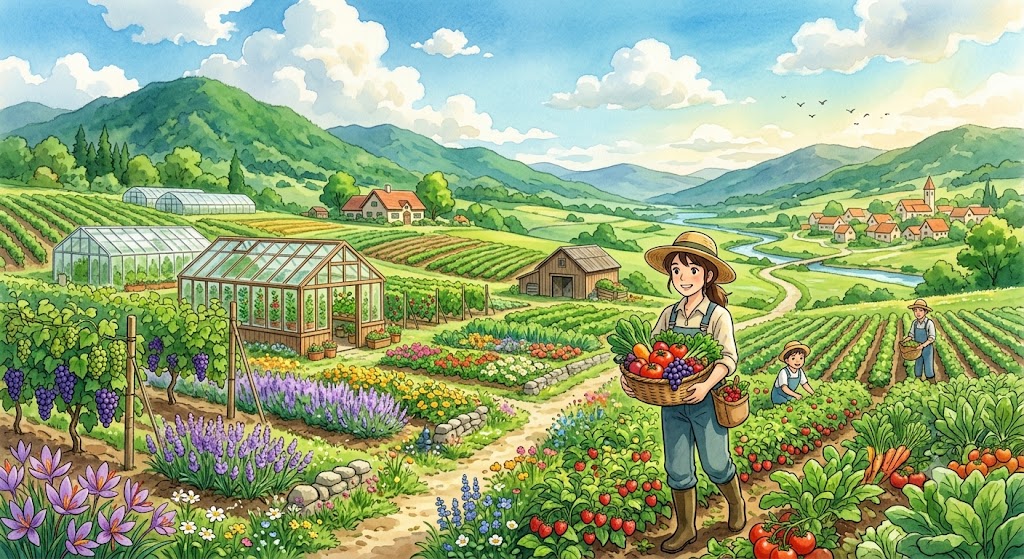
Agriculture is no longer limited to growing traditional food crops such as wheat, rice, and maize. Today, farmers are increasingly focusing on high-value crops that offer greater income, better market demand, and higher returns per acre. These crops include fruits, vegetables, spices, medicinal plants, herbs, flowers, nuts, and specialty crops that are sold at premium prices in both domestic and international markets.
Growing high-value crops allows farmers to earn more from smaller areas of land while meeting the increasing demand for fresh, nutritious, and premium-quality agricultural products. With improvements in irrigation, greenhouse farming, precision agriculture, and modern supply chains, cultivating these crops has become more accessible than ever. However, success requires proper planning, market research, quality management, and efficient farming practices.
This article explores the importance of high-value crops, their benefits, popular examples, cultivation practices, challenges, and future opportunities in modern agriculture.
Understanding High-Value Crops
High-value crops are agricultural products that generate significantly higher profits than traditional staple crops. Their value comes from strong consumer demand, premium quality, nutritional benefits, export opportunities, or industrial uses.
Unlike cereal crops, high-value crops often require more attention, better management, and careful handling after harvest. However, the higher investment is usually balanced by greater financial returns.
Common categories include:
- Fresh fruits
- Premium vegetables
- Culinary herbs
- Medicinal plants
- Spices
- Flowers
- Exotic fruits
- Organic produce
- Tree nuts
These crops are popular among consumers looking for healthy, fresh, and high-quality food products.
Why Farmers Are Choosing High-Value Crops
Many farmers are shifting toward high-value agriculture because it provides better earning opportunities and supports diversified farming systems.
Higher Profit Margins
Premium crops often sell at prices that are several times higher than traditional grains, allowing farmers to maximize income from limited farmland.
Growing Consumer Demand
Urban populations are increasingly purchasing fresh fruits, vegetables, herbs, and organic products, creating strong market demand throughout the year.
Export Opportunities
Many countries import specialty agricultural products, opening new markets for farmers who maintain international quality standards.
Better Land Utilization
High-value crops make efficient use of small farms, making them especially attractive to small-scale farmers.
Popular High-Value Crops Around the World
Many different crops fall into the high-value category depending on climate and market demand.
Fruits
Popular fruit crops include:
- Strawberries
- Blueberries
- Grapes
- Avocados
- Mangoes
- Pomegranates
- Dragon fruit
These fruits often command premium prices because of their nutritional value and consumer demand.
Vegetables
High-value vegetables include:
- Bell peppers
- Broccoli
- Lettuce
- Cherry tomatoes
- Asparagus
- Colored capsicum
Fresh vegetables are widely used in households, restaurants, and food processing industries.
Spices
Spices remain among the most profitable agricultural products.
Examples include:
- Saffron
- Black pepper
- Cardamom
- Vanilla
- Turmeric
- Cinnamon
These crops require careful cultivation but often provide excellent returns.
Medicinal and Aromatic Plants
The pharmaceutical and wellness industries rely on medicinal herbs such as:
- Aloe vera
- Ashwagandha
- Lavender
- Chamomile
- Lemongrass
- Mint
Growing demand for herbal products continues to expand this market.
Flowers
Commercial flower farming is another profitable agricultural business.
Popular flowers include:
- Roses
- Orchids
- Marigolds
- Lilies
- Carnations
Flowers are sold for decoration, events, perfumes, and religious purposes.
Factors That Influence Profitability
Growing a high-value crop successfully depends on several important factors.
Climate Suitability
Every crop performs best under specific temperature, rainfall, and humidity conditions. Choosing crops suitable for local climate improves productivity and reduces risks.
Soil Quality
Healthy, fertile soil with proper drainage and balanced nutrients supports strong plant growth and higher yields.
Market Demand
Farmers should study local and export markets before planting. Growing crops with consistent demand reduces marketing risks.
Water Availability
Reliable irrigation is essential for maintaining crop quality, especially during dry seasons.
Quality Standards
Premium buyers often require uniform size, appearance, freshness, and food safety compliance.
Modern Technologies Supporting High-Value Farming
Technology has made high-value crop production more efficient and profitable.
Precision Agriculture
GPS-guided farming and data analysis help optimize irrigation, fertilization, and crop management.
Smart Irrigation
Automated irrigation systems supply water based on soil moisture, reducing waste while maintaining crop health.
Artificial Intelligence
AI helps identify plant diseases, predict yields, and recommend management practices.
Agricultural Drones
Drones monitor crop health, detect nutrient deficiencies, and inspect large fields quickly.
Greenhouse Farming
Protected cultivation enables year-round production while protecting crops from harsh weather and pests.
Best Farming Practices
Successful high-value farming requires careful planning and management.
Some recommended practices include:
- Use certified, high-quality seeds or planting material.
- Conduct soil testing before planting.
- Follow balanced fertilizer recommendations.
- Apply efficient irrigation methods.
- Monitor crops regularly for pests and diseases.
- Practice crop rotation where appropriate.
- Harvest at the proper maturity stage.
- Store and transport produce carefully to maintain quality.
Consistent management improves both productivity and profitability.
Challenges in High-Value Crop Production
Although profitable, high-value farming also presents several challenges.
Higher Initial Investment
Quality seeds, irrigation systems, greenhouse structures, and specialized equipment may require significant capital.
Market Price Fluctuations
Premium crops can experience seasonal price changes depending on supply and consumer demand.
Perishable Nature
Many fruits and vegetables spoil quickly if not handled properly after harvest.
Pest and Disease Management
High-value crops often require close monitoring to prevent quality losses.
Skilled Labor Requirements
Some specialty crops need experienced workers for planting, pruning, harvesting, and packaging.
Sustainable High-Value Agriculture
Sustainability is becoming increasingly important in premium crop production.
Environmentally responsible practices include:
- Organic farming
- Drip irrigation
- Compost application
- Biological pest control
- Rainwater harvesting
- Mulching
- Soil conservation
- Renewable energy use
These methods improve long-term productivity while protecting natural resources.
Practical Tips for Farmers
Farmers interested in growing high-value crops can improve their chances of success by following these recommendations:
- Research market demand before selecting a crop.
- Choose varieties suitable for local climate conditions.
- Invest in quality planting material.
- Use efficient irrigation systems.
- Monitor fields regularly for pests and diseases.
- Maintain proper fertilization schedules.
- Improve post-harvest handling and packaging.
- Explore direct marketing opportunities through local markets or online platforms.
- Consider greenhouse or protected cultivation for sensitive crops.
- Continue learning about new agricultural technologies and farming techniques.
Future of High-Value Crops
The future of high-value agriculture looks promising as consumer demand for healthy, fresh, and premium-quality products continues to grow. Advances in biotechnology, precision agriculture, climate-smart farming, vertical farming, hydroponics, and AI-powered farm management are expected to improve productivity while reducing production risks.
Global trade and improved cold-chain logistics will also create more opportunities for farmers to supply high-quality products to domestic and international markets. As sustainability becomes a priority, environmentally friendly farming practices will further enhance the value of premium agricultural products.
Conclusion
High-value crops represent one of the most promising opportunities in modern agriculture. By cultivating fruits, vegetables, spices, herbs, flowers, and specialty crops, farmers can earn higher incomes while meeting the growing demand for premium agricultural products. Although these crops require careful management, quality control, and market planning, the financial rewards often outweigh the challenges.
With the support of modern technologies, sustainable farming practices, and expanding market opportunities, high-value crop production is becoming an attractive option for farmers of all sizes. By making informed decisions and adopting innovative cultivation methods, farmers can build profitable agricultural businesses while contributing to food security, economic growth, and sustainable rural development.