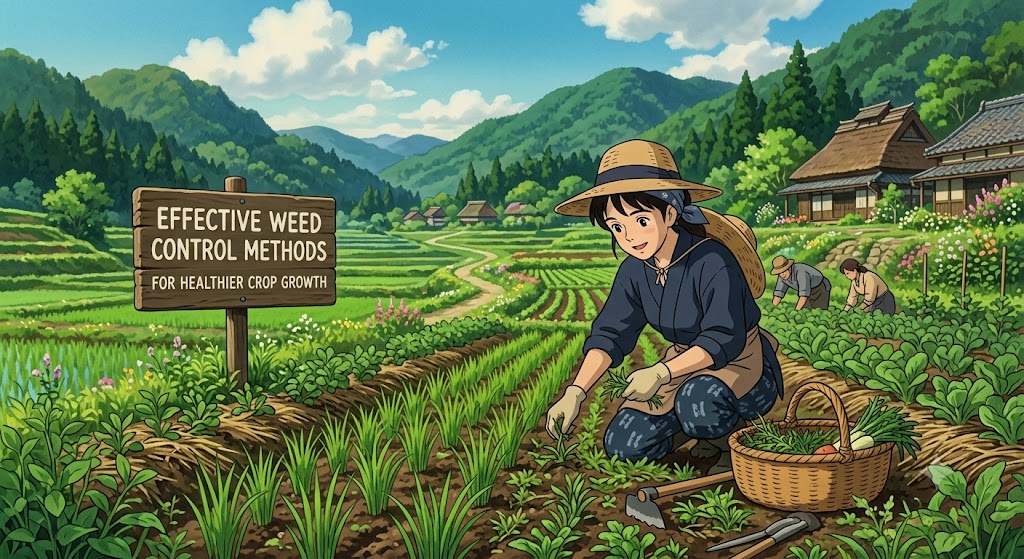
Weeds are one of the biggest challenges faced by farmers and gardeners worldwide. These unwanted plants compete with crops for essential resources such as sunlight, water, nutrients, and growing space. If left unmanaged, weeds can significantly reduce crop yields, lower produce quality, and increase production costs.
In many farming systems, weeds are responsible for substantial agricultural losses each year. Some aggressive weed species grow rapidly and can quickly overtake fields, making it difficult for crops to thrive. Fortunately, effective weed management strategies can help farmers maintain healthier crops while improving overall farm productivity.
Successful weed control is not about eliminating every weed completely. Instead, it focuses on keeping weed populations at manageable levels while supporting healthy crop growth and long-term soil health. This guide explores practical and effective weed control methods that farmers can use to protect their crops and maximize yields.
Why Weed Control Is Important
Weeds directly compete with crops for resources that are essential for growth.
They can:
- Reduce access to nutrients
- Compete for water
- Block sunlight
- Harbor pests and diseases
- Interfere with harvesting operations
- Lower crop quality and yield
Early weed management is particularly important because young crops are often more vulnerable to competition.
Proper weed control allows crops to establish strong root systems and grow more efficiently throughout the season.
Understanding Different Types of Weeds
Before choosing a weed control strategy, it is helpful to understand the different categories of weeds.
Annual Weeds
Annual weeds complete their life cycle within one growing season.
Examples include:
- Pigweed
- Crabgrass
- Lamb’s quarters
These weeds spread primarily through seeds.
Biennial Weeds
Biennial weeds require two years to complete their life cycle.
Examples include:
- Wild carrot
- Bull thistle
Perennial Weeds
Perennial weeds can survive for several years and often spread through roots, rhizomes, or underground stems.
Examples include:
- Bermuda grass
- Field bindweed
- Nutsedge
Perennial weeds are often more difficult to control because they can regrow from underground structures.
Start with Preventive Weed Management
Prevention is one of the most effective ways to reduce weed problems.
Use Clean Seeds
Always plant certified, high-quality seeds to prevent introducing weed seeds into fields.
Clean Equipment Regularly
Farm machinery can carry weed seeds from one area to another.
Cleaning equipment between fields helps reduce weed spread.
Monitor Fields Frequently
Regular field inspections allow farmers to identify weed problems early before they become difficult to manage.
Preventive measures often save time and money later in the growing season.
Mulching for Natural Weed Suppression
Mulching is a simple and environmentally friendly weed control method.
Common mulch materials include:
- Straw
- Dry leaves
- Grass clippings
- Wood chips
- Crop residues
Benefits of Mulching
- Blocks sunlight from reaching weed seeds
- Conserves soil moisture
- Regulates soil temperature
- Improves soil health as organic mulch decomposes
A thick mulch layer can dramatically reduce weed emergence while benefiting crop growth.
Manual Weeding
Hand weeding remains one of the most reliable weed control methods, especially for small farms and gardens.
Advantages of Manual Weeding
- Immediate results
- No chemical use
- Precise weed removal
- Minimal environmental impact
Although labor-intensive, manual weeding is highly effective when weeds are removed before they produce seeds.
Mechanical Weed Control
Mechanical methods involve physically removing or damaging weeds using tools and machinery.
Examples include:
- Hoes
- Cultivators
- Rotary weeders
- Mechanical tillers
Benefits of Mechanical Control
- Reduces weed populations quickly
- Suitable for larger fields
- Minimizes herbicide dependence
Proper timing is critical because young weeds are generally easier to control than mature plants.
Cover Crops for Weed Suppression
Cover crops help improve soil health while reducing weed growth.
Popular cover crops include:
- Clover
- Rye
- Vetch
- Mustard
- Alfalfa
How Cover Crops Control Weeds
- Occupy growing space
- Compete for sunlight
- Reduce weed seed germination
- Improve soil structure
Many farmers use cover crops between growing seasons to naturally suppress weeds.
Crop Rotation as a Weed Management Tool
Growing the same crop repeatedly often encourages certain weed species.
Crop rotation disrupts weed life cycles by changing growing conditions from year to year.
Benefits of Crop Rotation
- Reduces weed pressure
- Improves soil fertility
- Minimizes pest and disease problems
- Supports sustainable farming practices
A diverse crop rotation plan often results in fewer long-term weed issues.
Proper Plant Spacing
Healthy crops can naturally compete with weeds when planted at appropriate densities.
Why Plant Spacing Matters
Proper spacing allows crops to:
- Develop strong canopies
- Shade the soil surface
- Reduce available light for weeds
Fast-growing crops that establish quickly often suppress weeds more effectively.
Irrigation Management
Water management can influence weed growth significantly.
Smart Irrigation Practices
- Apply water directly to crop roots when possible
- Avoid overwatering
- Use drip irrigation systems
Drip irrigation helps reduce water availability for weeds growing between crop rows.
This approach conserves water while improving crop performance.
Soil Solarization
Soil solarization uses the sun’s heat to reduce weed seeds and certain soil-borne pests.
How It Works
- Prepare and moisten the soil.
- Cover the area with clear plastic sheets.
- Leave the plastic in place for several weeks during hot weather.
The trapped heat raises soil temperatures enough to destroy many weed seeds.
This method is particularly useful before planting high-value crops.
Organic Weed Control Methods
Many farmers prefer organic weed management techniques to reduce environmental impact.
Popular organic approaches include:
- Mulching
- Hand weeding
- Cover cropping
- Flame weeding
- Organic herbicides approved for organic farming
Combining multiple methods often produces the best results.
Integrated Weed Management
Integrated Weed Management (IWM) combines several control strategies to achieve long-term weed suppression.
An effective IWM program may include:
- Prevention
- Crop rotation
- Mechanical control
- Mulching
- Cover crops
- Monitoring
Advantages of Integrated Weed Management
- Reduced weed resistance
- Lower production costs
- Better environmental sustainability
- Improved crop health
This balanced approach is widely recommended for modern agricultural systems.
Common Weed Control Mistakes to Avoid
Some mistakes can make weed problems worse over time.
Allowing Weeds to Produce Seeds
One mature weed can produce thousands of seeds, increasing future infestations.
Delayed Weed Removal
Small weeds are easier and cheaper to control than mature weeds.
Relying on a Single Control Method
Using only one strategy may lead to recurring weed problems.
Ignoring Field Monitoring
Regular inspections help detect new weed outbreaks before they spread.
Avoiding these mistakes improves overall weed management success.
Long-Term Benefits of Effective Weed Control
Consistent weed management offers several advantages.
These include:
- Higher crop yields
- Better crop quality
- Reduced nutrient competition
- Improved water efficiency
- Easier harvesting
- Increased farm profitability
Healthy, weed-free fields allow crops to reach their full productive potential.
Frequently Asked Questions
1. Why are weeds harmful to crops?
Weeds compete with crops for water, nutrients, sunlight, and space, reducing crop growth and yield.
2. What is the best natural weed control method?
Mulching is one of the most effective natural methods because it suppresses weed growth while improving soil health.
3. How does crop rotation help control weeds?
Crop rotation disrupts weed life cycles and prevents specific weed species from becoming dominant.
4. Are cover crops effective against weeds?
Yes. Cover crops compete with weeds for resources and reduce opportunities for weed seed germination.
5. What is integrated weed management?
Integrated Weed Management combines multiple weed control techniques to achieve sustainable, long-term weed suppression.
Conclusion
Effective weed control is essential for maintaining healthy crops and maximizing agricultural productivity. Weeds can significantly reduce yields by competing for vital resources, but farmers have many practical tools available to manage them successfully. Methods such as mulching, manual weeding, crop rotation, cover cropping, mechanical cultivation, and integrated weed management provide effective solutions while supporting sustainable farming practices.
Rather than relying on a single technique, combining several weed control strategies often delivers the best results. With careful planning, regular monitoring, and timely action, farmers can reduce weed pressure, protect crop health, and improve overall farm profitability. A proactive approach to weed management helps create stronger, more productive agricultural systems for the future.
Explore more helpful articles on our website for additional farming tips, crop management strategies, and sustainable agriculture guides.