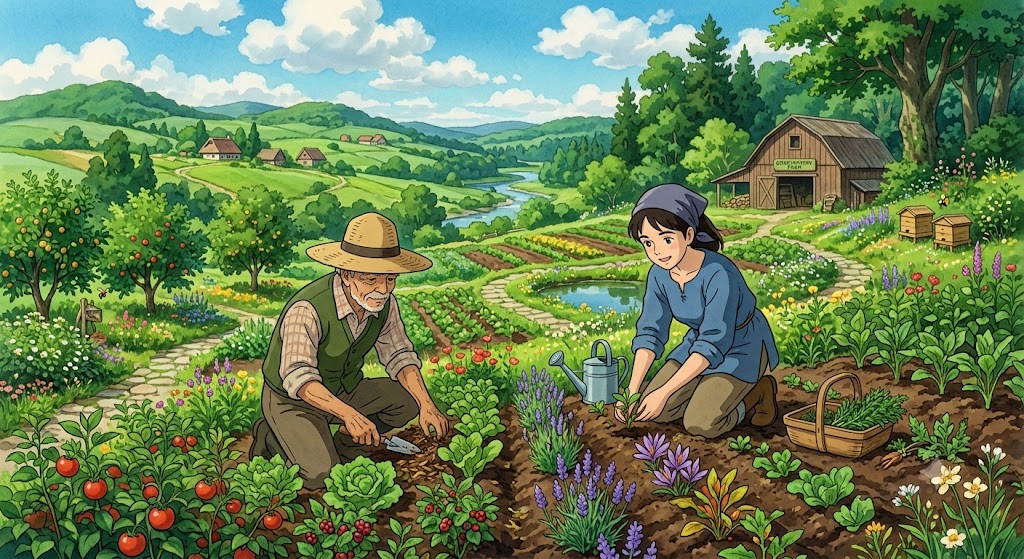
Agriculture is no longer just about producing the highest quantity of crops. Today’s successful farmers focus on producing crops that offer higher returns, require efficient resource management, and remain profitable over the long term. This shift has made high-value crops one of the most attractive options for farmers who want to increase income while practicing sustainable agriculture.
High-value crops generally generate greater profits per acre than traditional staple crops. Many of these crops also require fewer natural resources, adapt well to diversified farming systems, and meet the growing demand for fresh, organic, and specialty agricultural products.
Choosing the right crop is not about following trends alone. It requires understanding market demand, local climate, soil conditions, production costs, and available buyers. When these factors are carefully considered, high-value crops can become the foundation of a successful and environmentally responsible farming business.
Characteristics of a High-Value Crop
Not every expensive crop is truly profitable. A successful high-value crop usually combines strong market demand with sustainable production.
A good crop should offer:
- High selling price
- Reliable market demand
- Reasonable production costs
- Efficient use of land
- Long-term profitability
- Good storage or processing options
- Suitability for local climate
When these factors work together, farmers have a much better chance of achieving consistent returns.
1. Herbs and Medicinal Plants
Medicinal and culinary herbs continue gaining popularity across global markets. Their demand comes from pharmaceutical companies, herbal tea manufacturers, cosmetic brands, and food industries.
Popular choices include:
- Basil
- Mint
- Rosemary
- Lavender
- Tulsi
- Lemongrass
- Chamomile
Why They Perform Well
✔ Require relatively small land areas
✔ Strong year-round demand
✔ Suitable for organic farming
✔ Can be sold fresh, dried, or processed
2. Gourmet Mushrooms
Mushroom cultivation has become one of the fastest-growing agricultural businesses because production requires limited space while offering excellent returns.
Common commercial varieties include:
- Oyster mushrooms
- Shiitake mushrooms
- Lion’s Mane
- Button mushrooms
Their short production cycle allows farmers to harvest multiple times each year.
3. Garlic and Specialty Onions
Garlic and premium onion varieties remain profitable because they are used daily in homes, restaurants, and food processing industries.
Benefits include:
- Long storage life
- High market demand
- Export opportunities
- Good price stability
Farmers can further increase income through proper grading and packaging.
4. Organic Vegetables
Consumers are becoming more interested in chemical-free food, making organic vegetable production an attractive business.
Examples include:
- Tomatoes
- Bell peppers
- Cucumbers
- Lettuce
- Spinach
- Broccoli
Organic certification often allows farmers to earn premium prices.
5. Berry Crops
Berries are among the highest-value fruit crops because they combine excellent consumer demand with multiple marketing opportunities.
Popular options include:
- Strawberries
- Blueberries
- Raspberries
- Blackberries
Fresh fruit, frozen products, jams, and juices all create additional income sources.
6. Spices
Spices require relatively small cultivation areas while offering excellent value.
Some profitable spice crops include:
- Turmeric
- Ginger
- Black Pepper
- Cardamom
- Chili Peppers
Besides fresh sales, farmers can process spices into powders and packaged products for higher profits.
7. Microgreens
Microgreens have become increasingly popular with restaurants, hotels, supermarkets, and health-conscious consumers.
Their advantages include:
- Harvest in 10–20 days
- Very small growing area
- Continuous production
- Premium selling prices
This makes them ideal for both rural and urban farming.
8. Cut Flowers
Commercial flower farming offers excellent income opportunities throughout the year.
High-demand flowers include:
- Roses
- Marigolds
- Gerberas
- Lilies
- Sunflowers
Demand usually increases during festivals, weddings, and special events.
9. Exotic Vegetables
Many restaurants and supermarkets actively seek vegetables that are not commonly grown.
Examples include:
- Asparagus
- Artichokes
- Baby Corn
- Zucchini
- Bok Choy
Because supply is often limited, these vegetables can command higher prices.
10. Fruit Orchards with Long-Term Value
Although fruit trees require patience before full production begins, they can provide stable income for many years.
Suitable options include:
- Avocados
- Pomegranates
- Citrus fruits
- Mangoes
- Dragon Fruit
Combining orchards with cover crops or vegetables creates additional income while improving land use.
Comparison of High-Value Crops
| Crop Category | Investment | Profit Potential | Sustainability |
|---|---|---|---|
| Medicinal Herbs | Medium | High | Excellent |
| Mushrooms | Medium | Very High | Excellent |
| Organic Vegetables | Medium | High | Excellent |
| Garlic | Medium | High | Good |
| Berries | High | Very High | Good |
| Spices | Medium | High | Excellent |
| Microgreens | Low | Very High | Excellent |
| Flowers | Medium | High | Good |
| Exotic Vegetables | Medium | High | Good |
| Fruit Orchards | High | Long-Term High | Excellent |
Sustainable Practices That Increase Profitability
Growing valuable crops is only part of the equation. Sustainable farming practices help maintain productivity while reducing long-term costs.
Consider adopting:
- Crop rotation
- Compost application
- Rainwater harvesting
- Drip irrigation
- Mulching
- Cover cropping
- Integrated pest management
These methods improve soil health while protecting natural resources.
Common Mistakes to Avoid
Many farmers lose potential profits by overlooking important management decisions.
Avoid these common mistakes:
- Planting without researching market demand
- Ignoring soil testing
- Growing too many different crops at once
- Poor irrigation planning
- Neglecting pest monitoring
- Selling without grading or packaging
Small improvements in management often lead to much higher profits.
How to Choose the Right Crop
Before investing in any crop, ask yourself:
- Is there strong local demand?
- Can the crop grow well in my climate?
- Do I have access to irrigation?
- Are quality seeds available?
- Is transportation manageable?
- Can I store or process the harvest?
Careful planning helps reduce financial risk and improve long-term success.
Final Thoughts
High-value crops provide an excellent opportunity for farmers to improve profitability while supporting sustainable agricultural practices. Crops such as medicinal herbs, mushrooms, organic vegetables, spices, berries, flowers, and microgreens offer strong market demand and better returns compared to many traditional crops.
However, lasting success depends on more than choosing an expensive crop. Farmers who focus on healthy soil, efficient water use, proper crop management, and reliable market connections are more likely to build profitable and sustainable farming businesses. By combining smart crop selection with environmentally responsible practices, farmers can increase both income and long-term farm resilience.
Frequently Asked Questions
1. What is considered a high-value crop?
A high-value crop is one that generates higher income per acre due to strong market demand and premium pricing.
2. Which high-value crop is best for beginners?
Garlic, herbs, mushrooms, leafy vegetables, and microgreens are popular choices because they require relatively small growing areas and have steady demand.
3. Can sustainable farming increase profits?
Yes. Sustainable practices improve soil health, reduce input costs, conserve resources, and often increase crop quality and market value.
4. Do high-value crops require large farms?
No. Many high-value crops are ideal for small farms because they produce excellent returns even on limited land.
5. How can farmers earn more from high-value crops?
Farmers can increase profits by producing high-quality crops, adding value through processing or packaging, and selling directly to consumers or specialty markets.