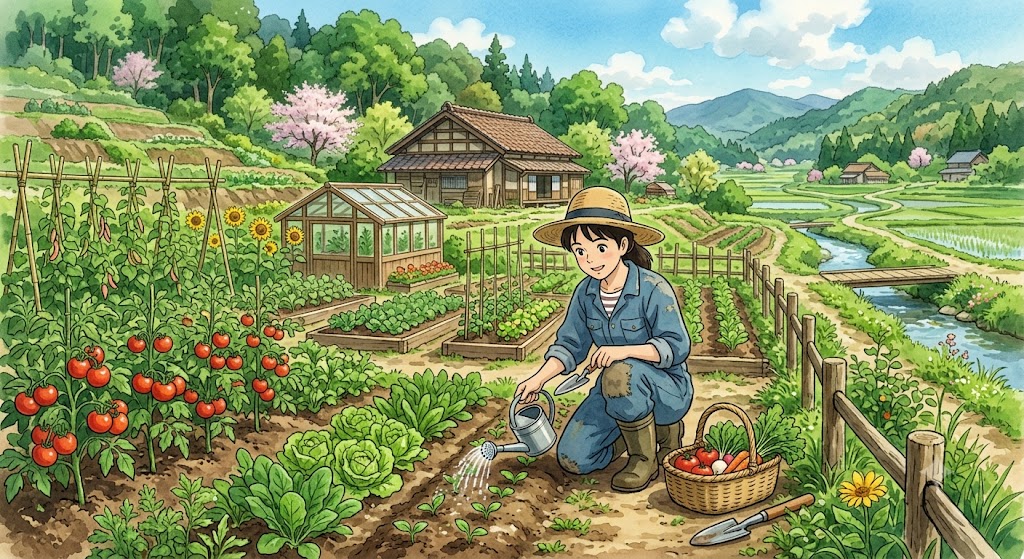
Healthy crops begin with healthy soil. While quality seeds, proper irrigation, and good weather all contribute to successful farming, none of them can compensate for poor soil. Soil acts as the foundation of every agricultural system by supplying nutrients, storing water, supporting beneficial microorganisms, and anchoring plant roots. When soil loses its fertility, crops become weaker, yields decline, and farming costs increase.
Many years of intensive cultivation, excessive tillage, erosion, and overuse of chemical fertilizers have reduced soil quality in many farming regions. Fortunately, nature provides effective ways to rebuild soil without depending entirely on synthetic products. Natural soil improvement techniques enhance soil structure, encourage biological activity, improve nutrient availability, and create the ideal conditions for sustainable crop production.
This guide explores the most effective natural methods farmers can use to improve soil health and grow stronger, healthier crops while protecting the environment.
Healthy Soil Is More Than Just Dirt
Good soil is a living ecosystem filled with earthworms, fungi, bacteria, insects, organic matter, minerals, water, and air. Together, these components create an environment where crops can grow efficiently.
Healthy soil offers several advantages:
- Better root development
- Improved nutrient absorption
- Greater water-holding capacity
- Higher resistance to drought
- Reduced erosion
- Stronger plant immunity
- Increased crop productivity
Improving soil naturally focuses on strengthening this entire ecosystem rather than simply adding nutrients.
Start with a Soil Health Assessment
Before making improvements, farmers should understand the current condition of their soil.
A basic soil evaluation should include:
- Soil texture
- Organic matter content
- Soil pH
- Drainage
- Moisture retention
- Nutrient levels
- Signs of compaction
Regular soil testing helps identify deficiencies and allows farmers to make informed management decisions instead of relying on guesswork.
Feed the Soil with Organic Compost
One of the simplest and most effective ways to improve soil naturally is by applying compost.
Well-made compost contains:
- Organic matter
- Beneficial microorganisms
- Essential plant nutrients
- Humus that improves soil structure
Regular compost application helps:
- Increase fertility
- Improve moisture retention
- Encourage earthworms
- Strengthen microbial life
- Improve root growth
Unlike quick-release fertilizers, compost provides long-lasting benefits.
Grow Cover Crops Between Main Crops
Cover crops keep the soil protected during periods when commercial crops are not growing.
Popular choices include:
- Clover
- Rye
- Cowpea
- Oats
- Sunn hemp
- Mustard
These plants naturally improve soil by:
- Preventing erosion
- Suppressing weeds
- Adding organic matter
- Increasing biological activity
- Fixing atmospheric nitrogen in the case of legumes
Once incorporated into the soil, cover crops become an excellent source of natural fertility.
Rotate Crops to Maintain Soil Balance
Growing the same crop repeatedly removes the same nutrients year after year and encourages pests and diseases.
Crop rotation provides a simple solution by alternating crops with different nutrient requirements and root systems.
Benefits include:
- Better nutrient cycling
- Lower disease pressure
- Reduced pest populations
- Improved soil structure
- Enhanced microbial diversity
Including legumes in the rotation naturally enriches the soil with nitrogen.
Reduce Deep Tillage
Frequent plowing disturbs soil organisms and accelerates the loss of organic matter.
Conservation tillage helps improve soil naturally by:
- Preserving soil structure
- Protecting microorganisms
- Conserving moisture
- Reducing erosion
- Increasing carbon storage
Less disturbance allows biological processes to rebuild the soil over time.
Use Mulch Throughout the Growing Season
Organic mulch protects the soil surface while gradually improving fertility.
Suitable materials include:
- Straw
- Dry grass
- Leaves
- Crop residues
- Wood chips
Mulching provides multiple benefits:
- Conserves moisture
- Suppresses weeds
- Reduces soil temperature fluctuations
- Prevents erosion
- Adds organic matter during decomposition
A consistent mulch layer also creates an ideal habitat for beneficial soil organisms.
Encourage Earthworms Naturally
Earthworms play a vital role in healthy agricultural soils.
Their movement creates channels that:
- Improve aeration
- Increase water infiltration
- Enhance root penetration
- Mix organic matter
- Release plant nutrients
Farmers can encourage earthworm populations by:
- Applying compost
- Maintaining organic residues
- Reducing chemical use
- Avoiding excessive tillage
A field with abundant earthworms is often a sign of excellent soil health.
Support Beneficial Soil Microorganisms
Healthy soil contains billions of microorganisms working continuously beneath the surface.
They help by:
- Decomposing organic material
- Releasing nutrients
- Protecting roots from diseases
- Improving soil aggregation
- Supporting healthy plant growth
Microbial activity increases when farmers regularly add organic matter and minimize unnecessary chemical inputs.
Improve Soil with Green Manure Crops
Green manure crops are grown specifically to enhance soil rather than for harvest.
Examples include:
- Sesbania
- Sunn hemp
- Cowpea
- Clover
These crops are incorporated into the soil while still green.
Benefits include:
- Increased nitrogen
- Better soil structure
- Improved moisture retention
- Higher organic matter
- Stronger microbial activity
Green manure is particularly useful in depleted soils.
Maintain Proper Soil Moisture
Water management directly affects soil health.
Both drought and waterlogging reduce biological activity and limit nutrient availability.
Natural moisture management includes:
- Mulching
- Drip irrigation
- Rainwater harvesting
- Efficient drainage
- Organic matter application
Balanced moisture creates favorable conditions for both roots and beneficial microorganisms.
Protect Topsoil from Erosion
Topsoil contains most of the soil’s nutrients and biological activity.
Losing even a thin layer can reduce productivity for years.
Effective conservation methods include:
- Contour farming
- Terracing
- Cover crops
- Windbreaks
- Permanent vegetation
- Mulching
Preventing erosion is far easier than replacing lost soil.
Add Natural Soil Amendments
Several natural materials improve soil quality without harming the environment.
Useful amendments include:
- Farmyard manure
- Vermicompost
- Biochar
- Bone meal
- Rock phosphate
- Wood ash (used carefully according to soil pH)
Selecting the appropriate amendment depends on soil conditions and crop requirements.
Grow Deep-Rooted Plants
Certain crops naturally improve soil structure by extending roots into deeper layers.
Examples include:
- Sunflower
- Alfalfa
- Daikon radish
- Sorghum
- Pigeon pea
These plants:
- Break compacted soil
- Improve drainage
- Bring nutrients upward
- Increase organic matter
They also prepare the soil for future crops.
Encourage Biodiversity Across the Farm
Healthy agricultural systems include more than crops alone.
Biodiversity contributes to soil improvement by supporting:
- Pollinators
- Beneficial insects
- Birds
- Earthworms
- Soil fungi
- Native vegetation
A biologically diverse farm is generally more resilient to pests, diseases, and environmental stress.
Avoid Practices That Harm Soil Health
Improving soil naturally also requires eliminating damaging habits.
Farmers should avoid:
- Burning crop residues
- Continuous monocropping
- Excessive chemical fertilizer use
- Overgrazing
- Frequent deep plowing
- Leaving soil bare between crops
Replacing these practices with sustainable alternatives allows soil to recover naturally.
Observe Soil Throughout the Year
Healthy soil changes over time, making regular observation important.
Farmers should monitor:
- Soil color
- Water infiltration
- Earthworm activity
- Crop vigor
- Root development
- Organic matter levels
- Weed pressure
Keeping simple records helps evaluate which practices produce the best long-term improvements.
Benefits of Improving Soil Naturally
Natural soil management creates lasting advantages for both crops and farmers.
Some of the most significant benefits include:
- Improved crop yields
- Better grain, fruit, and vegetable quality
- Lower fertilizer expenses
- Greater drought tolerance
- Increased water efficiency
- Stronger resistance to pests and diseases
- Higher biodiversity
- Better long-term profitability
Healthy soil continues improving when managed carefully year after year.
Conclusion
Natural soil improvement is one of the most effective ways to build a productive and sustainable farming system. By focusing on composting, crop rotation, cover cropping, mulching, conservation tillage, green manures, biodiversity, and proper water management, farmers can restore soil fertility while reducing dependence on synthetic inputs. These practices strengthen soil structure, increase microbial activity, improve nutrient availability, and create the ideal conditions for healthy crop growth.
Although natural soil improvement requires patience and consistent effort, the long-term rewards are substantial. Stronger crops, higher yields, lower production costs, and improved environmental health all begin with healthy soil. Farmers who invest in caring for their soil today are creating a more resilient and profitable future for their farms.
Frequently Asked Questions
1. What is the best natural way to improve soil?
Regular application of compost, crop rotation, cover crops, and organic mulch are among the most effective natural methods for improving soil health.
2. How does organic matter benefit soil?
Organic matter improves soil structure, increases water retention, supplies nutrients, supports beneficial microorganisms, and promotes healthy root development.
3. Can natural methods replace chemical fertilizers?
In many farming systems, natural soil improvement practices can significantly reduce the need for chemical fertilizers, especially when combined with proper nutrient management.
4. Why are cover crops important?
Cover crops protect soil from erosion, suppress weeds, increase organic matter, improve soil structure, and enhance biological activity.
5. How long does it take to improve soil naturally?
Visible improvements often appear within one or two growing seasons, while substantial increases in soil fertility and structure usually develop through consistent management over several years.