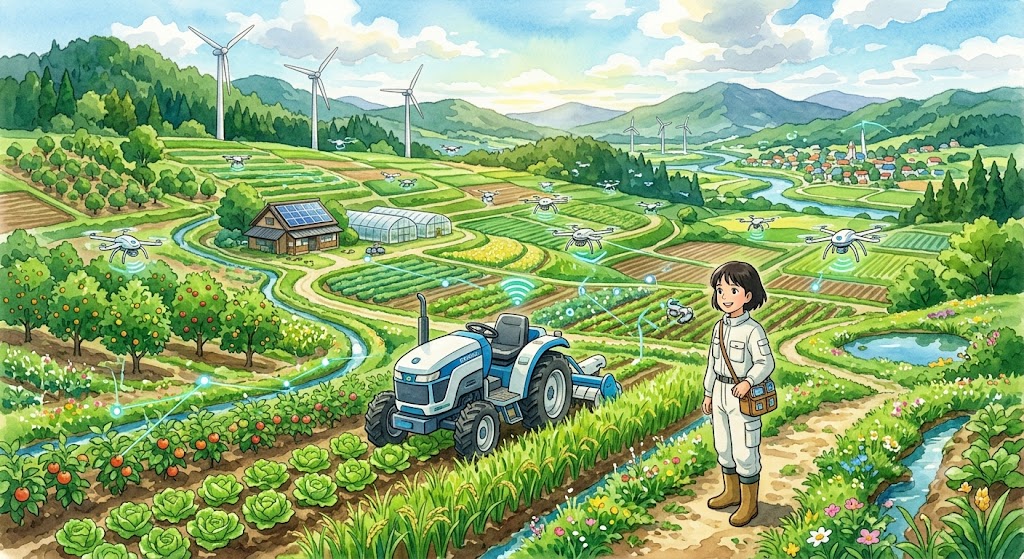
Agriculture has always evolved with new technology, from traditional hand tools to modern tractors and automated irrigation systems. Today, another major transformation is taking place through Artificial Intelligence (AI). Once considered a technology only for computers and large industries, AI is now helping farmers make smarter decisions, reduce costs, improve crop yields, and use natural resources more efficiently.
Artificial Intelligence allows farmers to collect, analyze, and act on real-time data. Instead of relying only on experience or guesswork, growers can use AI-powered tools to monitor soil conditions, predict weather changes, detect crop diseases, optimize irrigation, and improve overall farm management. As food demand continues to rise and climate change creates new challenges, AI is becoming an important part of sustainable agriculture.
This guide explains how Artificial Intelligence is transforming modern agriculture and why it is shaping the future of farming.
What Is Artificial Intelligence in Agriculture?
Artificial Intelligence refers to computer systems that can analyze data, recognize patterns, and make intelligent recommendations. In agriculture, AI combines information from sensors, drones, satellites, weather stations, and farm equipment to help farmers make better decisions.
Instead of replacing farmers, AI works as a powerful decision-support tool that improves efficiency and productivity.
Some common AI applications include:
- Crop monitoring
- Weather forecasting
- Pest detection
- Soil analysis
- Smart irrigation
- Yield prediction
- Farm management software
These technologies help farmers respond quickly to changing field conditions.
Why AI Is Becoming Important in Farming
Modern agriculture faces several challenges, including rising production costs, labor shortages, unpredictable weather, and increasing demand for food.
Artificial Intelligence helps solve these challenges by:
- Improving decision-making
- Reducing waste
- Saving water
- Increasing crop productivity
- Lowering production costs
- Supporting sustainable farming
Farmers can manage their resources more efficiently while producing healthier crops.
1. Smart Crop Monitoring
One of the biggest advantages of AI is continuous crop monitoring.
Using drones, satellite imagery, and smart cameras, AI can detect crop problems long before they become visible to the human eye.
AI systems can identify:
- Nutrient deficiencies
- Water stress
- Disease symptoms
- Pest infestations
- Uneven crop growth
Early detection allows farmers to take corrective action before significant damage occurs.
2. Precision Irrigation
Water is one of agriculture’s most valuable resources.
AI-powered irrigation systems analyze:
- Soil moisture
- Weather forecasts
- Crop growth stage
- Temperature
- Rainfall predictions
The system automatically recommends or applies the correct amount of water.
Benefits include:
- Reduced water waste
- Lower irrigation costs
- Healthier crops
- Improved drought management
Efficient irrigation also helps conserve groundwater.
3. Early Pest and Disease Detection
Crop diseases can spread rapidly if not identified early.
AI-powered image recognition systems can analyze plant leaves and detect symptoms of diseases or insect damage within minutes.
This helps farmers:
- Reduce crop losses
- Apply treatments only where needed
- Lower pesticide use
- Improve crop quality
Early intervention often saves both time and money.
4. Better Weather Forecasting
Weather plays a major role in farming success.
Artificial Intelligence combines historical climate data with real-time weather information to generate more accurate forecasts.
Farmers can plan:
- Planting
- Irrigation
- Fertilizer application
- Harvesting
- Pest management
More accurate forecasts reduce weather-related farming risks.
5. Soil Analysis and Nutrient Management
Healthy soil is essential for productive agriculture.
AI systems analyze soil information to recommend:
- Fertilizer requirements
- Soil amendments
- pH management
- Organic matter improvement
- Crop suitability
Applying nutrients according to AI recommendations helps reduce unnecessary fertilizer use while improving crop performance.
6. Yield Prediction
AI can estimate expected crop production before harvest by analyzing:
- Crop growth
- Weather patterns
- Soil conditions
- Historical yield data
Yield prediction helps farmers:
- Plan storage
- Arrange transportation
- Negotiate market sales
- Manage farm finances
Better planning reduces uncertainty and improves profitability.
7. Smart Farm Equipment
Modern tractors and agricultural machinery increasingly use Artificial Intelligence.
AI-enabled equipment can:
- Guide tractors accurately using GPS
- Reduce fuel consumption
- Minimize overlap during field operations
- Improve planting accuracy
- Increase harvesting efficiency
Automation reduces labor requirements while improving precision.
8. Farm Management Software
Many AI-powered farm management platforms help organize daily operations.
Farmers can record:
- Planting dates
- Fertilizer applications
- Irrigation schedules
- Pest outbreaks
- Harvest records
- Production costs
The software analyzes this information and provides recommendations to improve future farm performance.
Benefits of Artificial Intelligence in Agriculture
The growing adoption of AI provides several advantages:
- Higher crop yields
- Better resource management
- Reduced production costs
- Faster decision-making
- Improved crop quality
- Lower environmental impact
- Better climate adaptation
These benefits make agriculture more productive and sustainable.
Challenges of AI in Farming
Although AI offers many advantages, farmers should also consider some challenges.
These include:
- Initial investment costs
- Internet connectivity in rural areas
- Learning new technologies
- Equipment maintenance
- Data privacy concerns
Despite these challenges, AI tools are becoming more affordable and easier to use each year.
Practical Ways Farmers Can Start Using AI
Farmers do not need expensive machinery to benefit from Artificial Intelligence.
Simple starting points include:
- Weather forecasting apps
- Soil moisture sensors
- AI-powered crop monitoring apps
- Digital farm record systems
- GPS field mapping
- Smart irrigation controllers
Starting with one or two tools allows farmers to gain experience before expanding.
AI Applications in Agriculture
| AI Technology | Main Benefit |
|---|---|
| Smart Crop Monitoring | Early detection of crop problems |
| AI Weather Forecasting | Better farming decisions |
| Precision Irrigation | Water conservation |
| Soil Analysis | Balanced nutrient management |
| Yield Prediction | Better harvest planning |
| Smart Machinery | Improved operational efficiency |
| Farm Management Software | Organized record keeping |
Common Mistakes to Avoid
When adopting AI, avoid these common mistakes:
- Depending entirely on technology without field inspections
- Ignoring equipment maintenance
- Using inaccurate farm data
- Skipping employee training
- Investing in expensive systems before understanding farm needs
Artificial Intelligence works best when combined with practical farming experience.
Conclusion
Artificial Intelligence is transforming modern agriculture by making farming smarter, more efficient, and more sustainable. From monitoring crop health and optimizing irrigation to predicting yields and improving farm management, AI helps farmers make informed decisions based on real-time data rather than guesswork.
Although technology cannot replace the knowledge and experience of skilled farmers, it provides valuable tools that improve productivity, reduce waste, and strengthen long-term farm success. As AI continues to evolve, farmers who embrace these innovations will be better prepared to meet future agricultural challenges while producing more food with fewer resources.
Frequently Asked Questions
1. What is Artificial Intelligence in agriculture?
Artificial Intelligence uses computer systems and data analysis to help farmers make better decisions about crop production, irrigation, pest control, and farm management.
2. Can AI improve crop yields?
Yes. AI helps detect problems early, optimize irrigation and fertilization, and improve overall crop management, leading to better yields.
3. Is Artificial Intelligence only for large farms?
No. Many affordable AI-powered mobile apps, weather tools, and soil sensors are suitable for small and medium-sized farms.
4. How does AI help reduce farming costs?
AI reduces waste by optimizing water use, fertilizer application, pesticide treatments, and labor efficiency.
5. Will Artificial Intelligence replace farmers?
No. AI supports farmers by providing accurate information and recommendations, while human experience and decision-making remain essential for successful agriculture.