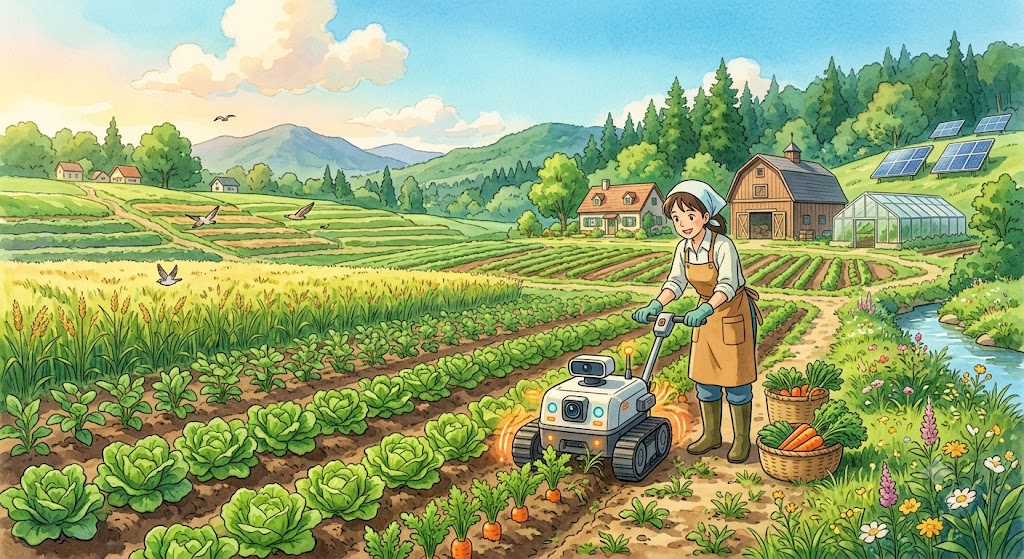
Weeds are among the most persistent and costly challenges faced by farmers worldwide. They compete directly with crops for water, nutrients, sunlight, and growing space, often reducing yields and increasing production expenses. Beyond their impact on crop growth, weeds can significantly increase farm maintenance costs through additional labor, equipment wear, herbicide applications, and field management requirements.
Many farmers focus primarily on eliminating weeds after they become a problem. However, the most cost-effective approach is preventing weed pressure from reaching damaging levels in the first place. Smart weed management combines preventive strategies, efficient control methods, and long-term planning to reduce expenses while maintaining productive farming systems.
This guide explores practical weed management strategies that help lower farm maintenance costs while supporting healthy crop production and sustainable agricultural practices.
Understanding the Economic Impact of Weeds
Weeds affect farm profitability in several ways.
Common impacts include:
- Reduced crop yields
- Increased labor requirements
- Higher herbicide expenses
- Greater machinery usage
- Increased irrigation competition
- More frequent field operations
Even moderate weed infestations can create significant economic losses over time.
Effective weed management should be viewed as an investment in farm efficiency and profitability.
Why Smart Weed Management Matters
Traditional weed control often relies heavily on repeated herbicide applications.
While chemical controls can be effective, excessive dependence may result in:
- Rising input costs
- Herbicide resistance
- Environmental concerns
- Long-term management challenges
Smart weed management focuses on reducing weed pressure through integrated approaches that lower overall costs.
The goal is not simply weed elimination but efficient and sustainable weed control.
Start With Prevention
Preventing weeds is generally less expensive than controlling established infestations.
Preventive measures include:
- Clean seed usage
- Equipment sanitation
- Field border management
- Early detection programs
Preventing weed introduction reduces future management expenses and improves field productivity.
Small preventive actions often provide significant long-term savings.
Implement Crop Rotation
Crop rotation is one of the most effective weed management tools available.
Benefits include:
- Disrupting weed life cycles
- Reducing dominant weed populations
- Improving crop competitiveness
Different crops create varying growing conditions that make it difficult for specific weeds to become established.
Rotation reduces the need for intensive weed control measures.
Utilize Cover Crops
Cover crops help suppress weeds naturally by occupying available space and resources.
Popular cover crops include:
- Rye
- Clover
- Oats
- Vetch
Benefits include:
- Reduced weed emergence
- Improved soil health
- Better moisture retention
- Lower herbicide dependence
Cover cropping can significantly decrease weed-related maintenance costs over time.
Maintain Healthy Crop Competition
Strong crop growth naturally suppresses weeds.
Farmers can improve crop competitiveness through:
- Proper planting density
- Balanced nutrition
- Efficient irrigation
- Timely planting
Healthy crops often outcompete weeds for resources, reducing the need for costly interventions.
A vigorous crop canopy also limits sunlight available to weed seedlings.
Practice Timely Weed Control
Allowing weeds to mature often increases future management costs.
Early intervention helps:
- Reduce weed competition
- Prevent seed production
- Minimize labor requirements
Addressing weeds during early growth stages is generally more efficient and less expensive than managing mature infestations.
Timing plays a critical role in cost-effective weed control.
Use Mulching Techniques
Mulching creates a physical barrier that suppresses weed growth.
Common mulch materials include:
- Straw
- Crop residues
- Compost
- Organic matter
Benefits include:
- Reduced weed emergence
- Moisture conservation
- Improved soil health
- Lower labor requirements
Mulching is particularly useful in vegetable production and specialty crop systems.
Adopt Integrated Weed Management
Integrated Weed Management (IWM) combines multiple control methods for greater effectiveness.
Strategies may include:
- Cultural controls
- Mechanical controls
- Biological approaches
- Targeted chemical applications
Benefits include:
- Lower overall costs
- Improved long-term control
- Reduced resistance risks
Combining methods often produces better results than relying on a single approach.
Minimize Herbicide Resistance
Herbicide-resistant weeds can significantly increase production costs.
Resistance develops when the same herbicides are used repeatedly over time.
Farmers can reduce resistance risks by:
- Rotating herbicide modes of action
- Using integrated management strategies
- Preventing weed seed production
Managing resistance helps preserve the effectiveness of existing weed control tools.
Long-term planning reduces future expenses.
Improve Field Monitoring
Regular scouting allows farmers to identify weed problems early.
Monitoring should focus on:
- Weed species identification
- Population density
- Growth stages
- Problem areas within fields
Early detection supports targeted management and reduces unnecessary treatment costs.
Accurate information leads to more efficient decision-making.
Utilize Precision Agriculture Technologies
Modern technologies can improve weed management efficiency.
Examples include:
- GPS-guided equipment
- Drone monitoring
- Precision spraying systems
- Field mapping software
Benefits include:
- Reduced herbicide use
- Lower fuel consumption
- More accurate applications
Precision agriculture helps minimize waste while improving control effectiveness.
Manage Field Borders and Non-Crop Areas
Weeds often spread from field edges and unmanaged areas.
Effective border management includes:
- Regular mowing
- Vegetation control
- Equipment cleaning
Preventing weeds from producing seeds near production areas reduces future infestations.
Maintaining clean field boundaries supports overall farm efficiency.
Reduce Tillage Costs Through Strategic Management
Excessive tillage can increase labor, fuel, and equipment expenses.
Alternative approaches include:
- Cover crops
- Mulching
- Conservation tillage
These practices help suppress weeds while reducing operational costs.
Balanced tillage strategies support both profitability and soil health.
Prevent Weed Seed Production
A single mature weed can produce thousands of seeds.
Allowing weeds to reproduce often creates larger problems in future seasons.
Farmers should focus on:
- Timely removal
- Early control
- Preventing seed set
Reducing the weed seed bank lowers long-term management costs.
Prevention remains one of the most economical strategies available.
Improve Soil Health
Healthy soils contribute to stronger crop growth and improved weed competition.
Soil improvement practices include:
- Compost application
- Crop rotation
- Cover cropping
- Organic matter management
Healthy soils support vigorous crops that naturally suppress many weed species.
Soil health and weed management often work together.
Evaluate Cost-Effectiveness Regularly
Weed management strategies should be reviewed periodically.
Farmers should assess:
- Control effectiveness
- Input costs
- Labor requirements
- Yield impacts
Regular evaluation helps identify opportunities for improvement and cost reduction.
Data-driven decisions support long-term profitability.
Build a Long-Term Weed Management Plan
Successful weed control requires consistent effort over multiple seasons.
An effective plan may include:
- Prevention measures
- Crop rotation
- Cover cropping
- Field monitoring
- Targeted interventions
- Resistance management
- Continuous evaluation
Combining these practices creates a more sustainable and economical approach.
Economic Benefits of Smart Weed Management
Effective weed management often results in:
- Reduced labor expenses
- Lower herbicide costs
- Improved crop yields
- Better resource utilization
- Increased profitability
Small improvements in weed control efficiency can generate substantial financial benefits over time.
Conclusion
Reducing farm maintenance costs through smart weed management requires more than simply removing unwanted plants. By focusing on prevention, crop rotation, cover crops, integrated management strategies, precision technologies, and long-term planning, farmers can control weeds more efficiently while reducing overall production expenses.
Smart weed management not only lowers maintenance costs but also improves crop health, supports sustainability, and enhances farm profitability. Farmers who invest in proactive weed management strategies today are creating stronger, more productive agricultural systems capable of delivering reliable results for years to come.