Farming is one of the oldest professions in human history, but the way we approach it today is undergoing a massive transformation. For centuries, traditional agriculture focused heavily on mass-producing staple grains like wheat, rice, and corn. While these staples are absolutely vital for global food security, they often require vast expanses of land and heavy machinery to turn a meaningful profit. For small to mid-sized landowners, competing in these bulk commodity markets is increasingly difficult.
If you have limited acreage but want to build a truly thriving, sustainable livelihood from your land, you need to shift your focus from volume to value. This is where high-value cash crops come into play. By growing specific plants that command premium prices in local and global markets, you can generate significant income from surprisingly small plots of land.
However, simply planting expensive seeds isn’t enough to guarantee financial success. To unlock the true profit potential of your soil, you must couple your crop selection with efficient, modern, and smart agricultural techniques. This comprehensive guide walks you through the top profitable crops for beginners and the practical steps needed to maximize your farm’s revenue.
Understanding High-Value Cash Crops
Before buying seeds or breaking ground, it is essential to understand what exactly makes a crop “high-value.” In simple terms, these are agricultural products that yield a significantly higher net financial return per square foot compared to standard field staples. They are often characterized by strong market demand, limited geographical availability, or specialized culinary, medicinal, and consumer uses.
When selecting a high-value crop, you should look for specific traits that match your experience level and resources. Ideal choices have a relatively short path to market, steady consumer demand, and price resilience against sudden economic dips. Let’s explore some of the most profitable options accessible to beginner and intermediate growers today.
Gourmet Mushrooms
Mushrooms are an exceptional choice for growers with very limited outdoor space. Varieties like Oyster and Shiitake do not require acres of fertile topsoil; instead, they are cultivated indoors in controlled environments using vertical shelving, bags of sawdust, or straw substrates. Gourmet mushrooms grow rapidly—often going from inoculation to harvest in just a few weeks—and are highly sought after by local restaurants, farmers’ markets, and health food stores.
Microgreens
Microgreens are tiny, nutrient-dense vegetable greens harvested just after the first true leaves develop. Because they are incredibly compact, you can set up a commercial microgreen business inside a spare room, garage, or small greenhouse using vertical racks and basic LED grow lights. Crops like radish, broccoli, and sunflower microgreens have a lightning-fast growth cycle of 10 to 14 days, allowing for continuous, year-round weekly harvests and a steady stream of cash flow.
Lavender and Culinary Herbs
If you prefer outdoor cultivation, specialized herbs are tough to beat. Lavender is a hardy, perennial crop that thrives in poor, well-drained soils where other plants struggle. Once established, lavender plants can produce beautiful, fragrant blooms for up to ten years. The profit doesn’t just come from selling fresh bundles; you can easily process lavender into high-margin value-added products like essential oils, soaps, dried floral arrangements, and teas. Similarly, fresh culinary herbs like basil, rosemary, and thyme sell at premium prices when packaged fresh for grocery stores.
Saffron
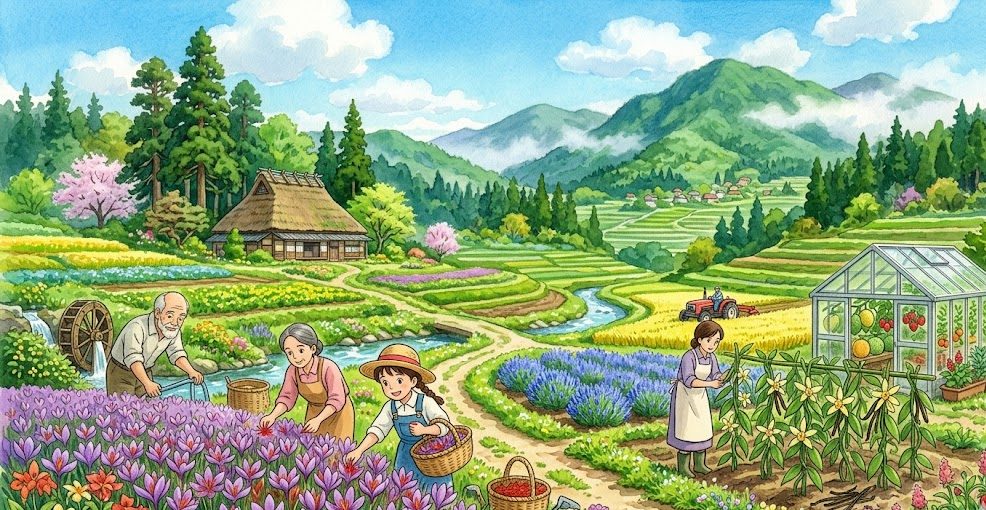
Known as the most expensive spice in the world by weight, saffron comes from the delicate crimson stigmas of the Crocus sativus flower. While harvesting saffron is labor-intensive because every single thread must be picked gently by hand, the crop requires very little water and can be grown in small, intensive backyard plots. Because it dries perfectly and stores for a long time, you can sell your inventory gradually without worrying about immediate spoilage.
Profitable Farming Practices that Maximize Revenue
Choosing a lucrative crop is only half the battle. To run a truly successful farming business, you must implement reliable, cost-effective management strategies that lower your overhead while protecting your yields.
| Farming Practice | Primary Financial Benefit | Real-World Application Tip |
|---|---|---|
| Vertical Farming | Multiplies yield per square foot | Use stacked shelving inside greenhouses or sheds for microgreens and mushrooms. |
| Value-Added Processing | Bypasses raw commodity price ceilings | Turn raw fruits into artisanal jams, or raw herbs into dried teas and essential oils. |
| Direct-to-Consumer Sales | Eliminates expensive middlemen wholesaling | Sell directly through local community-supported agriculture (CSA) apps or weekend markets. |
1. Master the Art of Intensive Vertical Spaces
When land is expensive or limited, think vertically. By stacking growing trays or utilizing hanging systems, you can triple your production capacity without buying a single extra square foot of land. This setup is particularly effective for indoor environments, allowing you to control temperature, humidity, and lighting perfectly, which eliminates the devastating risk of unpredictable seasonal weather changes.
2. Focus on Value-Added Processing
Selling raw produce straight out of the dirt leaves you vulnerable to immediate market price fluctuations and quick spoilage. To dramatically increase your profit margins, transform your raw harvest into a shelf-stable product. For example, instead of selling a basket of fresh hot peppers for a few dollars, process them into small batches of artisanal hot sauce that can be bottled, branded, and sold at a premium price. Value-added items last much longer, allow you to build an identifiable brand, and can be shipped easily over long distances.
3. Cultivate Direct-to-Consumer Market Channels
Wholesaling your crops to massive grocery distributors is often a race to the bottom for small-scale operations. Instead, build direct relationships with the people who consume your food. Join local farmers’ markets, launch a community-supported agriculture (CSA) subscription program, or approach local restaurant chefs directly. Chefs are almost always willing to pay a premium for ultra-fresh, locally grown, specialty ingredients that haven’t spent days sitting in a distributor’s refrigerated truck.
Expert Tip: Always secure your market before you drop your first seed in the ground. Talk to local chefs, visit neighborhood markets, and verify that there is active, hungry demand for your chosen crop before investing heavy capital into production.
Building a Sustainable, Trustworthy Farm Business
True profitability is never a short-term sprint; it is built on a foundation of long-term sustainability. Modern consumers are highly educated and deeply care about how their food and wellness products are grown. Adopting eco-friendly, chemical-free practices isn’t just great for the environment—it’s a powerful marketing tool that builds deep consumer trust.
Focus on maintaining pristine soil health through natural composting, practice transparent growing methods, and share your farming journey openly on social media. When customers see the genuine care, hard work, and clean practices behind your brand, they become loyal, long-term advocates who are happy to pay a fair price for your premium goods.
Conclusion
Transitioning into high-value cash crop farming is an incredibly rewarding path for anyone looking to maximize their land’s true earning potential. By focusing on niche, high-demand products like gourmet mushrooms, microgreens, or specialty herbs, and combining them with smart vertical spaces and direct-to-consumer sales, you can build a highly profitable agricultural business. Start small, focus heavily on premium quality, secure your local buyers early, and scale your operations naturally as your experience grows.
Frequently Asked Questions (FAQs)
1. What is the most profitable cash crop for a very small backyard?
Microgreens and gourmet mushrooms are the most profitable options for small backyards or indoor spaces. They require very little physical room, can be stacked vertically on racks, and are ready to harvest and sell in under two weeks.
2. Do I need official organic certification to sell high-value crops?
No, official certification is not mandatory to get started. While an organic stamp can help in commercial grocery stores, most local restaurants and farmers’ market buyers are perfectly satisfied if you simply practice transparent, chemical-free farming and explain your clean methods directly to them.
3. How do I find local chefs willing to buy my specialty herbs or mushrooms?
The best approach is direct, professional networking. Clean up a premium sample of your fresh harvest, dress professionally, and visit independent, non-chain local restaurants during their quiet mid-afternoon hours. Ask to speak briefly with the Head Chef, hand them your sample along with a clean price sheet, and follow up via email.
4. What are the biggest risks when growing high-value cash crops?
The primary risks are crop spoilage and market saturation. Because many high-value crops like mushrooms or fresh berries are delicate, having reliable refrigeration and a pre-secured list of buyers before harvest is absolutely essential to prevent financial loss.
5. Can I manage a high-value crop farm while keeping my regular day job?
Yes, absolutely. Many successful growers start their operations as a weekend or evening side hustle. Crops like microgreens or indoor mushrooms require only a few hours of routine daily maintenance, making them perfectly compatible with a standard full-time job during the initial phase.