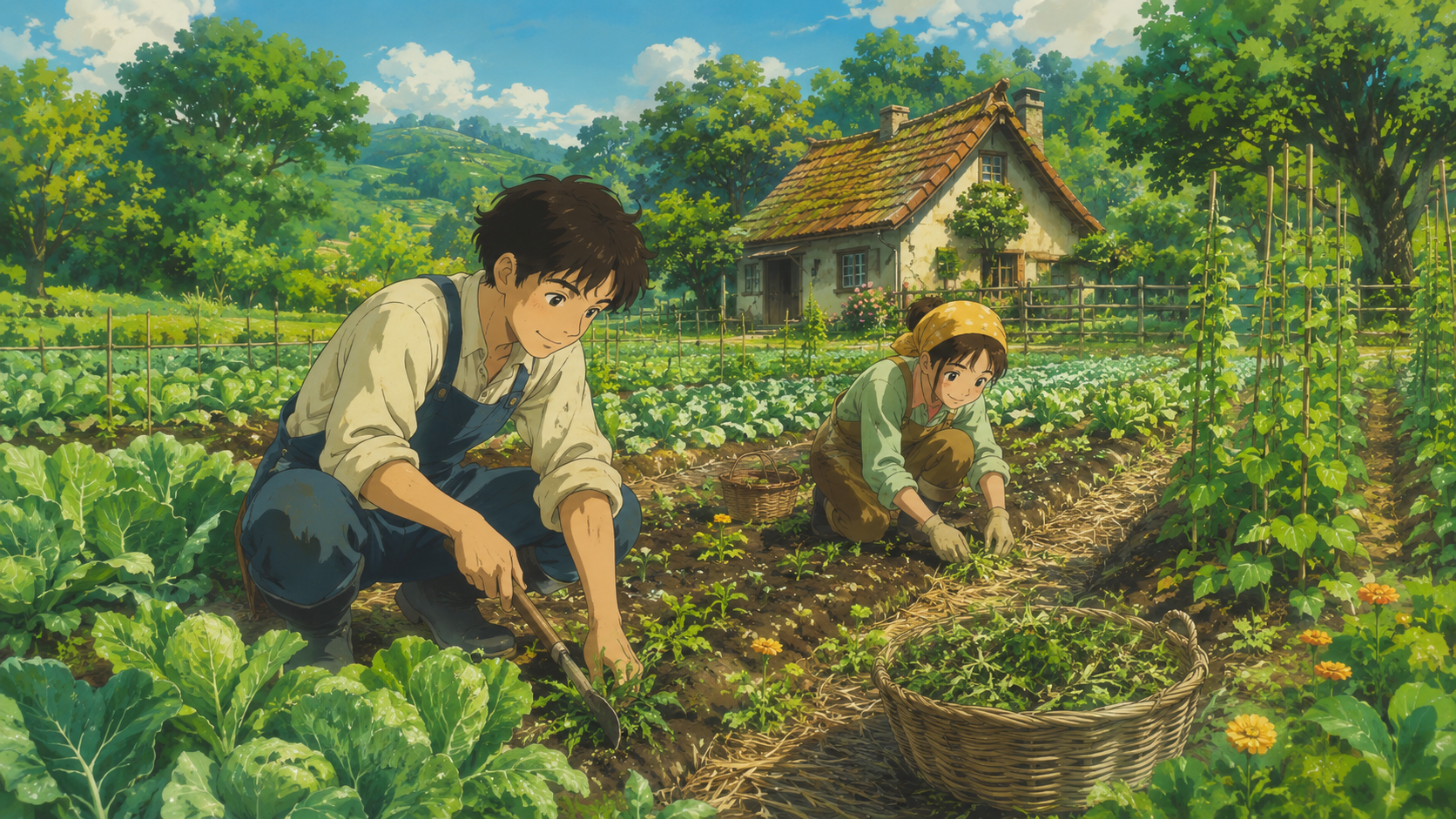
Every farmer knows the sinking feeling of walking a freshly planted field and seeing green shoots—only to realize they are the wrong kind of green. Weeds are the silent thieves of the agricultural world. They do not rest, and they do not need an invitation. They relentlessly steal moisture, hijack expensive soil nutrients, and block vital sunlight from your cash crops.
For decades, the default response to this problem was reaching for heavy chemical sprays. However, as chemical costs rise and soil health degrades, modern agriculture is shifting gears. Today, successful farming relies on outsmarting weeds rather than just attacking them.
Whether you manage a vast commercial acreage or a high-yield community plot, relying on a single method of weed control is a recipe for failure. To achieve truly resilient and productive harvests, you need a diverse toolkit. This guide explores highly effective, practical methods to manage weeds, protect your soil, and boost your crop yields.
Understanding the Weed Seed Bank
Before you can control weeds, you have to understand how they survive. The dirt beneath your feet holds a hidden reserve known as the “weed seed bank.” A single mature weed can drop thousands of seeds into the soil, where they can lay dormant for years, just waiting for a bit of sunlight and water to wake them up.
Every time you turn the soil, you bury some seeds but bring thousands of others directly to the surface. Effective weed management starts with a simple rule: stop making deposits into the seed bank. If you can prevent current weeds from producing seeds, your future weed problems will naturally decrease.
Cultural Weed Control: Winning Before You Plant
The easiest weed to pull is the one that never grows. Cultural control means modifying your farming environment so that crops have the advantage and weeds struggle to survive.
Cover cropping is one of the most powerful cultural methods available. By planting dense crops like winter rye or clover during the off-season, you physically block weeds from establishing. When it is time to plant your main crop, the residue from the cover crop acts as a natural weed-suppressing mat.
Crop spacing also plays a massive role. By narrowing the rows and adjusting your planting density, your cash crops can achieve “canopy closure” much faster. Once the leaves of your crops touch and shade the ground below, weed seeds lose the sunlight they desperately need to germinate.
Mechanical and Physical Interventions
When weeds do sprout, physical removal is often necessary. However, the days of breaking your back with a manual hoe on a massive scale are evolving.
Shallow cultivation is highly effective when done correctly. Using modern wire weeders or basket weeders disturbs the top inch of soil, destroying delicate weed threads before they even look like plants. The key is keeping the cultivation shallow. Deep tilling only awakens the sleeping seed bank.
Mulching is another excellent physical barrier. For high-value crops, laying down organic straw or biodegradable landscape fabric chokes out weed competition while simultaneously locking moisture into the soil during dry spells.
Smart and Biological Management
As agriculture steps into the future, technology and biology are teaming up to fight weeds. Advanced camera-guided cultivators can now attach to tractors, distinguishing between crop rows and weeds. These smart implements shift cultivation blades with pinpoint accuracy, allowing farmers to mechanically weed incredibly close to the plant without damaging the roots.
Biological control is also gaining traction. This involves using nature’s own systems, such as specific grazing animals or beneficial insects, to target invasive weed species. While this is a long-term strategy, integrating livestock like sheep to graze down cover crops and weeds before planting is becoming a highly profitable practice for diversified farms.
Practical Tips You Can Apply Today
You do not need a massive budget to improve your weed management. Here are practical habits you can start implementing immediately:
- Weed at the “Thread Stage”: Do not wait until weeds are inches tall. The best time to kill a weed is when it first sprouts and looks like a tiny white thread. A light raking of the soil surface at this stage eliminates thousands of weeds with zero effort.
- Clean Your Equipment: Tractors, plows, and even your boots carry weed seeds from one field to another. Make it a strict habit to wash down your equipment before moving to a new section of your farm.
- Tackle the Edges: Weeds often creep into fields from fence lines and ditches. Keep the borders of your fields mowed short so invasive plants cannot go to seed and blow into your cash crops.
- Use the Stale Seedbed Technique: Prepare your soil for planting, but wait two weeks. Let the first flush of weeds germinate, destroy them with a shallow cultivation or a flame weeder, and then plant your crop in the clean soil.
A Real-Life Example: Outsmarting Pigweed
Consider a mid-sized vegetable farm that spent years battling Palmer Amaranth, a highly aggressive type of pigweed. The farm historically relied on deep tilling and heavy herbicides, but the pigweed eventually developed a resistance to the sprays. The weeds were growing inches per day, severely cutting into the farm’s profit margins.
The farm decided to completely change tactics. In the fall, they planted a thick cover crop of cereal rye. In the spring, instead of tilling the rye into the ground, they used a roller-crimper to flatten it, creating a dense, dead mulch over the entire field. They then planted their cash crop directly through the rye mat.
The results were immediate. The thick rye residue blocked the sunlight from reaching the pigweed seeds hidden in the soil. The farm saved thousands of dollars on chemical sprays, dramatically reduced their tractor fuel consumption, and finally brought the pigweed population under control.
Common Mistakes to Avoid
Even experienced growers can fall into bad habits. Avoid these common weed control mistakes to keep your fields productive.
The most frequent mistake is letting weeds go to seed. It is easy to ignore a few tall weeds at the edge of a field during a busy harvest season. However, ignoring them means fighting thousands of their offspring next year. Always cut them down before they flower.
Another trap is deep tilling to solve a weed problem. While a deep plow buries today’s weeds, it acts as an elevator for older seeds, bringing them right up to the germination zone. Stick to shallow surface cultivation whenever possible.
Finally, do not rely on just one tool. If you only ever mow, or only ever cultivate, weed populations will adapt to survive that specific action. Diversity in your approach is your best defense.
Step-by-Step Guide to Integrated Weed Management (IWM)
Building a successful weed control plan requires structure. Follow this step-by-step approach to create an Integrated Weed Management system for your farm.
Step 1: Map and Identify: Walk your fields early in the season. Identify the specific weed species you are dealing with. Are they annuals or perennials? Knowing the enemy dictates the strategy. Step 2: Plan Your Rotation: Design a crop rotation that disrupts the weed life cycle. Alternate between deep-rooted and shallow-rooted crops, and between winter and summer plantings. Step 3: Prepare the Seedbed: Utilize the stale seedbed method. Flush the weeds out early and eliminate them before your valuable seeds go into the ground. Step 4: Execute Timely Cultivation: Once crops are planted, cultivate early and shallow. Time your mechanical weeding for hot, dry afternoons so the uprooted weeds bake and die quickly in the sun. Step 5: Document the Season: Keep a digital or physical record of which fields had the highest weed pressure and which methods worked best. Use this data to adjust your plan for the following year.
Conclusion
Weeds are an unavoidable reality of farming, but they do not have to dictate your harvest. The era of relying solely on heavy chemicals and aggressive tilling is passing. Today’s successful farmers act as strategists, using a combination of cultural practices, smart technology, and biological understanding to keep their fields clean.
Remember that you are not trying to completely sterilize the earth; you are simply trying to give your crops the best possible competitive advantage. By protecting your soil, preventing seed bank deposits, and stacking multiple weed control methods together, you can build a highly productive, sustainable farm that thrives season after season.
Frequently Asked Questions (FAQs)
Q: Can I completely eliminate weeds from my farm? A: Complete eradication is practically impossible and not necessary for a profitable farm. Your goal should be “weed management”—keeping the weed population low enough that it does not negatively impact your crop yield or harvest efficiency.
Q: What is a flame weeder, and is it safe? A: A flame weeder uses a directed propane burner to quickly pass intense heat over young weeds. It does not actually burn the plant; the heat boils the water inside the weed’s cells, causing it to collapse and die. It is highly effective and perfectly safe for the soil when used properly on a damp morning.
Q: Why do weeds seem to grow faster after I rototill the garden? A: Rototilling pulverizes the soil and brings thousands of dormant weed seeds to the surface, exposing them to a perfect mix of oxygen and sunlight. This acts as a trigger for immediate germination, which is why shallow cultivation is vastly preferred over deep tilling.
Q: Does mulching attract pests? A: While thick organic mulch provides excellent weed control and moisture retention, it can occasionally provide habitat for slugs or certain rodents. Monitoring your fields and adjusting the thickness of the mulch near the actual stems of your cash crops can prevent pest buildups.
Q: Is crop rotation really necessary if I have good weed control? A: Yes. Different crops create different environments. If you grow the exact same crop in the same field every year, the weeds that thrive alongside that specific crop will multiply rapidly. Rotation naturally breaks the reproductive cycle of those targeted weeds.