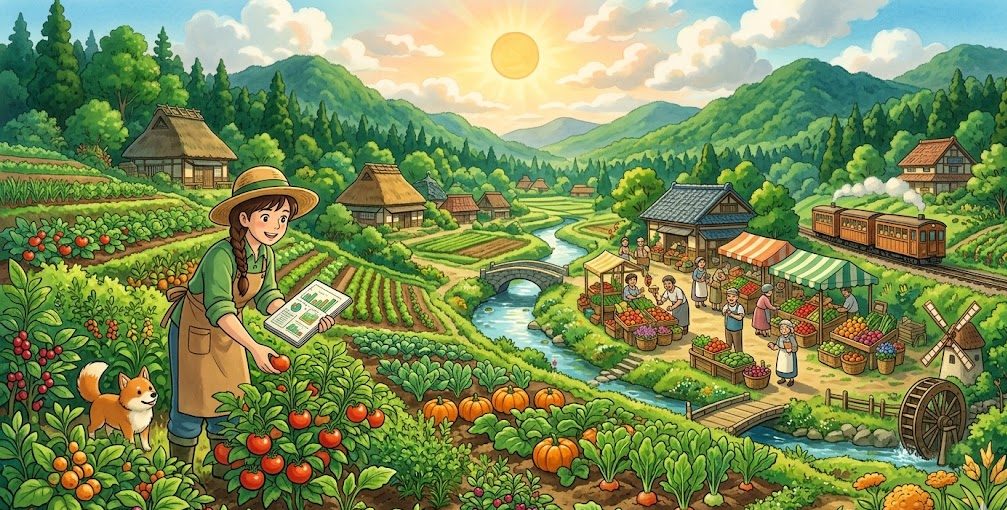
Agriculture is no longer just a way of life; it is a high-stakes, data-driven business. In the modern era, being a successful farmer requires more than just a green thumb—it requires the mindset of a CEO. With global food demand projected to increase significantly by 2050, the potential for profit is immense, but so are the risks.
To stay ahead, farmers must navigate fluctuating market prices, climate volatility, and evolving consumer preferences. This guide breaks down how to maximize profitability through smart crop selection and an understanding of current market trends.
1. The Profitability Framework: Beyond the Harvest
Profitability in agriculture is defined by the simple equation: Total Revenue – Total Cost. However, achieving a healthy margin requires deep optimization in three specific areas:
- Input Efficiency: Using technology like precision agriculture (GPS-guided tractors and variable-rate application) to ensure you aren’t wasting expensive fertilizers and seeds.
- Value Addition: Processing raw crops into goods—such as turning tomatoes into sun-dried snacks or herbs into essential oils—can double or triple your profit margins.
- Direct-to-Consumer Channels: By bypassing traditional middlemen through farmers’ markets or digital “farm-to-fork” platforms, farmers can retain a larger share of the retail price.
2. Analyzing Current Market Trends
Understanding where the world is heading is the first step in deciding what to plant. Today’s market is driven by three major shifts:
The Rise of Plant-Based Proteins
As global consumers become more health-conscious and environmentally aware, the demand for plant-based proteins is skyrocketing. This has created a massive market for pulses, lentils, chickpeas, and soybeans.
Traceability and Transparency
Modern consumers want to know where their food comes from. Crops grown with “Identity Preserved” (IP) status—meaning they can be traced back to a specific field and farming method—often fetch a premium price in international markets.
The “Superfood” Craze
High-nutrient crops like quinoa, kale, avocados, and blueberries continue to dominate the health sector. While these often require more specialized care, their market value remains consistently high compared to traditional grains.
3. Smart Crop Selection: What to Plant?
Choosing the right crop is the most critical decision a farm business makes. You must balance high-value crops with market stability.
High-Value Specialty Crops
If you have limited land, focus on “high-value, low-volume” crops:
- Mushrooms: Varieties like Oyster or Shiitake can be grown indoors with very high turnover rates and high price points per pound.
- Microgreens: These can be harvested in as little as two weeks and are highly sought after by high-end restaurants.
- Ginseng and Saffron: These are the “gold” of the plant world. While they take time and specific climates to grow, their profit per acre is unmatched.
Strategic Broad-Acre Crops
For those with larger acreage, the focus shifts to “high-volume, stable-demand” crops:
- Malting Barley: With the global boom in craft brewing, high-quality malting barley often earns a significant premium over feed-grade barley.
- Sunflowers: As the demand for healthy cooking oils grows, sunflowers offer a resilient and profitable alternative to traditional corn or wheat.
4. Risk Management and Diversification
A profitable farm is a resilient farm. Relying on a single crop (monoculture) is a recipe for financial disaster if a specific pest or market crash hits.
- The 70/30 Rule: Dedicate 70% of your land to stable, “sure-thing” crops that pay the bills, and 30% to high-risk, high-reward experimental crops.
- Climate-Smart Selection: With changing weather patterns, selecting drought-resistant or heat-tolerant varieties is no longer optional—it is a financial hedge against climate risk.
5. Technology: The Great Profit Enabler
To be profitable in 2026, you must embrace AgTech. Smart farming tools provide the data needed to make informed decisions.
- Soil Sensors: These tell you exactly what nutrients are missing, preventing “over-fertilization” which eats into profits.
- Market Intelligence Apps: Real-time data on commodity prices allows you to time your sales perfectly, selling when the market peaks rather than when you simply need the space in the silo.
6. Profitability Comparison Table
| Crop Category | Initial Investment | Time to Harvest | Profit Potential | Market Stability |
|---|---|---|---|---|
| Microgreens | Low | 14–21 Days | Very High | Moderate |
| Pulses/Lentils | Moderate | 90–120 Days | Moderate | High |
| Medicinal Herbs | High | 1–3 Years | Very High | Growing |
| Corn/Soybeans | Moderate | 120–150 Days | Stable | Very High |
| Berries | High | 1–2 Years | High | Moderate |
Export to Sheets
7. Conclusion: The Future belongs to the “Agri-Preneur”
The days of “plant and pray” are over. Profitability in today’s agricultural landscape belongs to the farmer who treats their land like an investment portfolio. By keeping a close eye on global market trends, selecting crops based on data rather than tradition, and utilizing technology to cut waste, you can turn your farm into a thriving, profitable enterprise.
The earth is a generous partner, but it rewards those who combine hard work with smart strategy. Choose your crops wisely, watch the markets closely, and grow your wealth from the ground up.