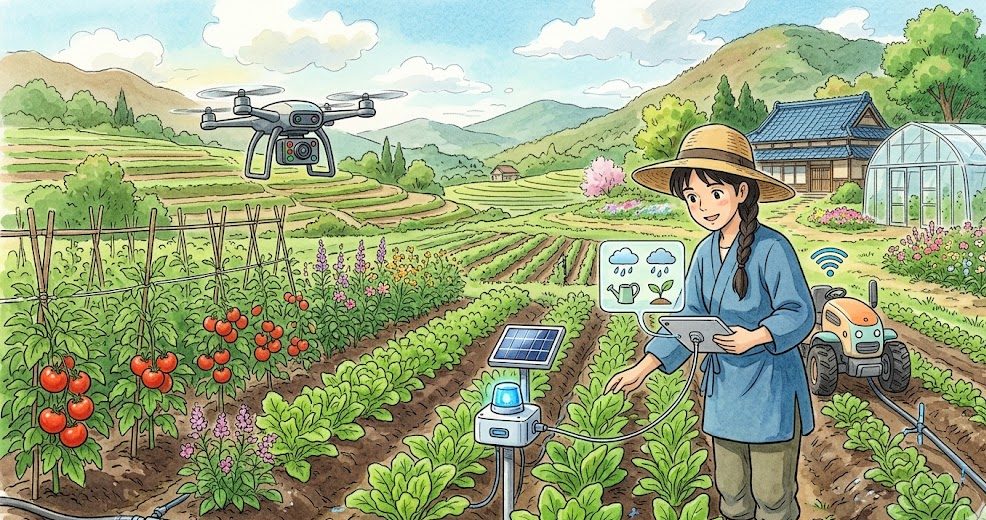
In the modern agricultural sector, the pursuit of “maximum yield” has shifted from simply working harder to working smarter. As global food demands rise and arable land becomes scarcer, farmers are increasingly turning to a combination of high-tech digital solutions and precision crop management to ensure profitability.
Maximizing yield is no longer just about volume; it is about optimizing quality and resource efficiency while minimizing the risks associated with volatile weather and pest outbreaks. This guide explores how the marriage of technology and agronomy is setting a new standard for high-value crop production.
The Shift to Precision Agriculture
Precision agriculture is the foundation of high-value crop management. By treating fields as a collection of unique micro-environments rather than a uniform plot of land, farmers can provide each plant with exactly what it needs to thrive.
1. IoT and Real-Time Soil Analytics
The core of maximizing yield lies beneath the surface. IoT-based soil sensors provide real-time data on moisture, temperature, and nutrient availability (NPK levels).
- Dynamic Irrigation: By monitoring soil moisture, farmers can implement variable rate irrigation, preventing both water stress and waterlogging, which are the primary culprits in crop loss.
- Nutrient Management: Sensors alert farmers to nitrogen or potassium deficiencies before they become visible, allowing for precise, localized fertilization rather than blanket spraying.
2. High-Tech Crop Monitoring
High-value crops—such as specialty berries, medicinal plants, or premium grains—require intense monitoring. Drones equipped with multispectral sensors allow farmers to map the “vigor” of their crops. By identifying areas of stress due to disease or pests from the air, farmers can perform targeted interventions, saving both time and chemical costs while protecting the majority of the harvest.
Strategies for High-Value Crop Management
When dealing with high-value crops, the margin for error is slim. Here are the strategic pillars for success:
A. Controlled Environment Agriculture (CEA)
For the highest value yields, many growers are moving toward Controlled Environment Agriculture (such as greenhouses or vertical farms). CEA allows for the total manipulation of:
- Lighting: Using specialized LED spectrums to trigger faster growth or higher sugar content.
- Atmosphere: Monitoring $CO_{2}$ levels to accelerate photosynthesis.
- Hydroponics/Aeroponics: Eliminating soil-borne diseases and optimizing nutrient delivery directly to the roots.
B. Predictive Analytics and AI
Machine learning algorithms are now essential for yield forecasting. By processing historical harvest data, current weather trends, and real-time market prices, AI helps farmers decide:
- Optimal Harvesting Windows: Harvesting at the exact peak of maturity to ensure the highest market price.
- Disease Prevention: AI models can predict the likelihood of fungal outbreaks based on humidity and temperature trends, allowing for preventative, rather than reactive, measures.
Balancing Technology and Sustainability
Maximizing yield should not come at the expense of long-term soil health. Climate-smart, high-value farming prioritizes sustainability:
| Practice | Benefit |
| Cover Cropping | Maintains soil structure and reduces erosion. |
| Integrated Pest Management (IPM) | Uses biological controls to reduce chemical dependence. |
| Variable Rate Technology (VRT) | Reduces excess fertilizer, protecting local water tables. |
By adopting these practices, farmers not only protect the land for future generations but also benefit from reduced operational costs—a crucial factor in increasing net profit margins.
Overcoming the “High-Tech” Barrier
The biggest challenge for many farmers is the intimidation factor of new technology. To maximize your yields effectively, follow this tiered implementation plan:
- Start with Data: You cannot improve what you cannot measure. Invest in basic soil sensors first to understand your land’s variability.
- Focus on Software Integration: Ensure your devices can connect to a single platform. A “central dashboard” that integrates weather, soil, and drone data is far more valuable than three separate, disconnected systems.
- Invest in Education: Technology is an asset only if the user knows how to act on the data provided. Dedicate time to understanding the specific metrics that correlate to yield increases in your specific crop type.
- Community Cooperation: If high-end equipment like autonomous tractors or multispectral drones is too expensive, consider cooperative ownership. Sharing these tools among neighboring farms is a proven way to reduce overhead while maximizing the output of everyone involved.
The Future: A Data-Driven Harvest
The transition to smart crop management is not just a trend—it is a necessity for the survival of the agricultural industry. As we integrate robotics, artificial intelligence, and sophisticated biotechnologies, the potential to maximize yields is reaching levels once thought impossible.
High-value crop management is becoming a blend of traditional agronomic wisdom and modern data science. The farmers who succeed in the coming decade will be those who can effectively synthesize these two worlds, using technology to bridge the gap between their current yields and their full potential.
Final Takeaway
Maximizing yields is a marathon, not a sprint. It starts with a commitment to precision. Whether you are managing an orchard, a vineyard, or a row-crop operation, the technology to monitor and optimize your harvest is more accessible than ever.
Are you leveraging any specific smart technologies on your farm today, or are you looking for guidance on where to make your first investment in precision tools?