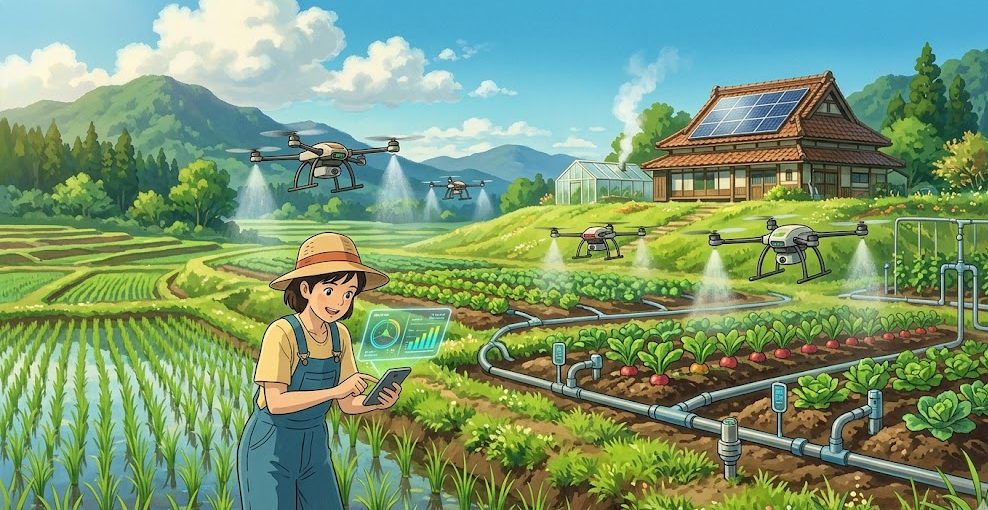
In the competitive world of modern agriculture, the margin between a struggling farm and a high-value enterprise is often defined by the adoption of technology. As we move deeper into 2026, Optimized Crop Production has transitioned from a buzzword into an essential operational standard. For farmers and agribusiness owners aiming to maximize profitability, integrating smart technology is the most effective path to achieving consistent, high-yield results.
This guide explores the technological pillars that are revolutionizing high-value farming and how you can implement them to optimize your production cycle.
1. The Power of Precision: Beyond Traditional Farming
Traditional farming often relies on intuition and broad-field management. Optimized crop production, however, relies on Precision Agriculture. This approach treats every square meter of land based on its unique requirements.
- Variable Rate Technology (VRT): Instead of broadcasting fertilizers across a field, VRT uses GPS-controlled machinery to apply precise amounts of nutrients only where the soil test indicates a deficiency.
- Benefits: You reduce input costs by 15–25% while ensuring that the crop receives the exact nutrition needed for optimal growth.
2. IoT and Sensor Networks: The “Eyes” of the Farm
The integration of the Internet of Things (IoT) provides farmers with a 24/7 monitoring system. Smart sensors act as the nervous system of your farm.
- Soil Moisture Sensors: These devices measure volumetric water content at various depths. By connecting these to an automated irrigation system, you ensure that crops never experience water stress or waterlogging.
- Nutrient and pH Monitoring: Real-time data on soil acidity and nitrogen levels allows for “just-in-time” fertilization, preventing the “luxury consumption” of nutrients that often happens with traditional methods.
3. Autonomous Robotics and Smart Machinery
Labor shortages are a global issue in agriculture. Autonomous machinery is no longer reserved for large-scale corporate farms; modular robotics are becoming accessible for mid-sized high-value operations.
- Autonomous Weeders: These robots use computer vision to distinguish between crops and weeds. They then use mechanical arms or targeted micro-doses of organic herbicides to eliminate weeds without damaging the primary crop.
- Precision Harvesting: Smart harvesters use AI-driven image analysis to identify fruit ripeness. By only harvesting produce at the perfect maturity, you significantly increase the market value of your yield.
4. AI-Driven Predictive Analytics
Data is only valuable if it is actionable. Artificial Intelligence (AI) platforms now process vast amounts of weather, historical, and biological data to provide actionable insights.
- Disease Early-Warning Systems: By analyzing humidity and temperature trends, AI models can predict the outbreak of fungal diseases weeks before visible symptoms appear. This allows for preventive action rather than reactive damage control.
- Market-Linked Crop Planning: Advanced software analyzes current market demand and commodity price trends to suggest which crop varieties will provide the highest ROI for the upcoming season.
5. Controlled Environment Agriculture (CEA)
For high-value crops—such as specialty greens, berries, or medicinal plants—CEA is the pinnacle of optimization. Whether using greenhouses, vertical farms, or hydroponic setups, the goal is to decouple farming from the vagaries of nature.
- Lighting Optimization: LED spectrum technology allows farmers to provide plants with specific light wavelengths to trigger faster growth or higher sugar/nutrient content.
- Climate Automation: By controlling CO2 levels, humidity, and temperature, you can create a “perfect” environment that results in yields 5 to 10 times higher than outdoor soil farming.
The Economics of Smart Farming
Investing in technology is a capital-intensive process, but the return on investment (ROI) is significant when managed correctly. High-value farming is driven by three financial levers:
- Yield Per Square Foot: Smart technology maximizes output, allowing you to generate more revenue from the same amount of land.
- Resource Efficiency: Reduced water, fertilizer, and electricity usage translates directly into a higher net profit margin.
- Produce Quality: Technology-enabled precision leads to more uniform products, which command higher prices in both wholesale and retail markets.
Frequently Asked Questions (FAQs)
Q: Is smart technology only for large, wealthy farms? A: Not at all. Many entry-level sensors and IoT gateways are highly affordable. The best approach is to start with a single, high-impact technology—like soil moisture sensors—and scale up as your profits increase.
Q: Does optimized farming require a degree in computer science? A: Most modern agricultural platforms are designed for ease of use. If you can navigate a smartphone app, you can manage the dashboard of a modern irrigation or monitoring system.
Q: How does automation affect the long-term health of the soil? A: When used correctly, automation improves soil health by reducing mechanical compaction (using lighter, smarter robots) and preventing chemical over-application, which preserves soil microbiology.
Conclusion
Optimized crop production is the future of high-value agriculture. By leveraging IoT, AI, and precision robotics, you transition from being a farmer at the mercy of the elements to a manager of a highly efficient, data-driven production system.
The goal is simple: Do more with less. By optimizing every input—from water and nutrients to energy and labor—you position your farming operation to thrive in an increasingly competitive global market.
Disclaimer: The adoption of any agricultural technology should be preceded by a cost-benefit analysis tailored to your specific crop and local economic conditions. Always prioritize infrastructure that provides the fastest ROI.