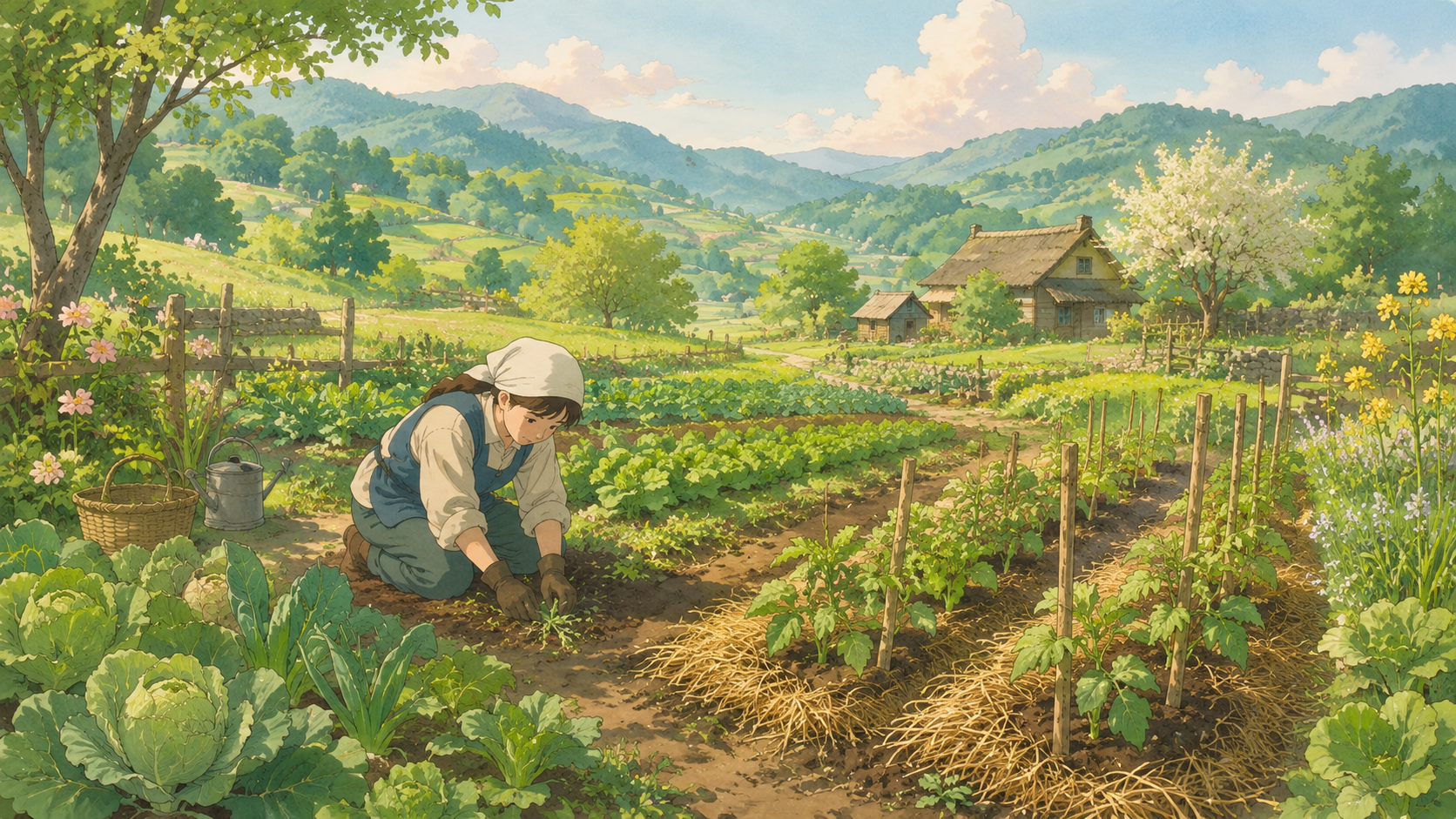
Every farmer knows the deep frustration of looking out over a newly planted field, only to see a green carpet of unwanted plants taking over. Weeds are nature’s ultimate survivors. They are aggressive, fast-growing, and highly adaptable. Worse, they act as thieves in your fields, stealing precious sunlight, water, and soil nutrients right out from under your cash crops.
If left unchecked, a severe weed infestation can drastically reduce your harvest and cut deep into your seasonal profits. For years, the default solution was simply to spray heavier, stronger chemicals. However, continuous reliance on harsh herbicides leads to chemical-resistant “superweeds” and degrades the long-term health of your soil.
Today, successful farming requires a smarter approach. By combining traditional physical methods with modern sustainable practices, you can protect your crops, save money on chemical inputs, and maintain the health of your land. This guide covers the most effective weed control strategies that you can start using on your farm right now.
Understanding the True Cost of Weeds
Before you can effectively fight weeds, it helps to understand exactly how they damage your farming operation. Weeds do more than just compete for resources. Many common weed species act as host plants for harmful insects and destructive fungal diseases. When these pests finish feeding on the weeds, they quickly move over to your primary crops.
Furthermore, heavy weed pressure slows down your harvesting equipment, increases wear and tear on your machinery, and introduces unwanted seeds into your final harvested product, potentially lowering its market value. Managing weeds early and effectively is not just about keeping the farm looking neat; it is a critical financial defense strategy.
Proven Strategies for Weed Management
Relying on just one method to kill weeds usually leads to failure. The most resilient farms use an integrated approach, combining several different tactics to keep weed populations manageable.
Cultural Control: Beating Weeds with Better Farming
Cultural control means changing your farming habits to favor your crops over the weeds. The best defense is a strong, healthy crop canopy that shades the ground and blocks the sunlight weed seeds need to germinate.
You can achieve this by adjusting your planting density. Planting your rows slightly closer together allows your crops to form a canopy faster. Additionally, crop rotation is a powerful tool. Weeds adapt to the life cycle of specific crops. By changing what you plant in a field each year, you disrupt the weeds’ natural growing cycle, making it much harder for them to establish a permanent foothold.
Physical and Mechanical Control
Sometimes, the oldest methods are still the best. Mechanical control involves physically disrupting the weeds before they can establish deep roots. Shallow tilling between crop rows slices the young weeds just below the soil surface. However, it is crucial to keep the tilling shallow. Deep tilling simply brings buried, dormant weed seeds up to the surface where they can catch sunlight and sprout.
Biological Control: Using Nature’s Helpers
Biological weed control is an emerging and exciting field in sustainable agriculture. This method uses natural enemies to weaken or destroy specific weed populations. Depending on your farm setup, this might involve introducing specific insects that only eat a certain type of invasive weed, or using grazing animals. Many farmers successfully use controlled flocks of sheep or goats to clear out heavy, woody weeds from pastures before planting.
Step-by-Step Guide: Establishing a Weed-Free Field
Taking a systematic approach will yield the best results. Follow these steps at the start of your growing season to suppress weeds effectively.
Step 1: Start with a Stale Seedbed Prepare your soil for planting a few weeks earlier than usual. Water the field lightly to encourage the top layer of weed seeds to germinate. Once the green fuzz of new weeds appears, use a shallow cultivator or a flame weeder to destroy them. You have now eliminated the first flush of weeds without disturbing the deeper soil.
Step 2: Plant Immediately and Cover As soon as you have cleared the stale seedbed, plant your cash crop. Do not leave the soil bare. If you are growing row crops, apply a heavy layer of organic mulch, such as straw or wood chips, around the base of the plants immediately after they emerge.
Step 3: Monitor and Spot-Treat Walk your fields weekly. When you see scattered weeds breaking through the mulch, pull them by hand or use a localized hoe. Catching them while they are small prevents them from establishing deep taproots.
Step 4: Clean Up Post-Harvest Never leave a harvested field entirely to the weeds. As soon as you pull your main crop, plant a dense cover crop like winter rye or clover. This keeps the ground covered, chokes out late-season weeds, and adds valuable organic matter back into the soil for next year.
Practical Tips You Can Apply This Season
- Clean your equipment: Weed seeds travel easily on muddy tractor tires and dirty plow blades. Always wash down your machinery before moving from a weed-heavy field to a clean one.
- Filter your irrigation water: If you pump water from a local pond or open canal, ensure your intake valves have fine screens. Surface water is often packed with floating weed seeds.
- Use drip irrigation: Overhead sprinklers water the entire field, including the empty spaces where weeds grow. Drip lines deliver water directly to the roots of your crops, leaving the surrounding soil dry and inhospitable to weed seeds.
- Never let them seed: The old farming rule is true: “One year’s seeding makes seven years’ weeding.” If a weed is about to flower, cut it down immediately, even if you do not have time to dig out the roots.
Real-Life Example: The Cover Crop Smother
A common struggle for organic vegetable growers is managing broadleaf weeds in the early spring, which thrive in cool, damp soil. One practical solution adopted by many successful farmers is the “roll-and-crimp” cover crop method.
In the late fall, a farmer plants a thick field of hairy vetch and winter rye. By the time spring arrives, this cover crop is tall and dense, completely blocking any early spring weeds. Instead of tilling this green manure into the dirt—which would stir up new weed seeds—the farmer uses a roller-crimper attachment on the tractor. This heavy drum flattens and snaps the stems of the cover crop, killing it and leaving a thick, impenetrable mat of natural mulch on the soil surface. The farmer then uses a specialized planter to punch seeds straight through the dead mat. The cash crop grows beautifully, and the thick rye mat suppresses almost 100% of the summer weeds.
Common Mistakes to Avoid
As you refine your weed control strategy, be careful not to fall into these common traps.
Waiting Too Long to Take Action Weeds grow exponentially. A weed that is one inch tall can be killed with a quick swipe of a hoe. A weed that is two feet tall with a deep taproot requires serious manual labor or heavy chemicals. Always attack weeds when they are in the delicate seedling stage.
Composting Diseased or Seeding Weeds While adding green matter to your compost pile is generally good practice, never add weeds that have already developed seed heads. Most standard farm compost piles do not get hot enough to destroy the seeds. When you spread that compost next spring, you will accidentally plant thousands of new weeds.
Relying Exclusively on Herbicides Using herbicides as your only line of defense is a recipe for disaster. Over time, the weeds that survive the chemical spray will breed, creating a highly resistant population. If you must use chemical sprays, rotate the type of active ingredient you use and combine it with mechanical cultivation.
Securing Your Harvest
Managing weeds is a continuous process, not a one-time event. The goal is not to eradicate every single wild plant on your farm—that is nearly impossible and often unnecessary. The goal is to manage the weed population so that it never threatens the profitability and health of your main crops.
By shifting your focus toward soil health, utilizing cover crops, and practicing timely mechanical cultivation, you take the power back from the weeds. A diverse, multi-layered defense strategy will ensure your fields remain productive, clean, and highly profitable season after season.
Frequently Asked Questions (FAQ)
1. Does mulching really stop all weeds from growing? Mulch is highly effective, but it is not magic. A thick layer of organic mulch (about 3 to 4 inches) will smother the vast majority of weed seeds by blocking sunlight. However, particularly aggressive perennial weeds with strong energy reserves might still push through and require occasional hand-pulling.
2. Are chemical herbicides always bad for the farm? Not necessarily, but they must be used responsibly. When used as a targeted tool rather than a blanket solution, herbicides can be safe and effective. The danger lies in overusing them, which damages soil microbes and breeds chemical-resistant superweeds.
3. What exactly is a cover crop? A cover crop is a specific plant—like clover, rye, or radishes—grown primarily to benefit the soil rather than to be harvested for profit. They prevent soil erosion, add nutrients back into the earth, and grow densely enough to choke out invasive weeds during the off-season.
4. How often should I scout my fields for weeds? During the active growing season, especially in the first month after planting your cash crop, you should scout your fields at least once a week. Early detection is the absolute key to cheap and easy weed control.
5. Can weeds actually be beneficial to my farm in any way? Surprisingly, yes, in small numbers. Some weeds act as natural accumulators, pulling deep minerals up to the topsoil. Others provide early nectar for essential pollinators like bees before your main crops flower. The key is strict management; they become a problem only when they begin competing heavily with your harvest.