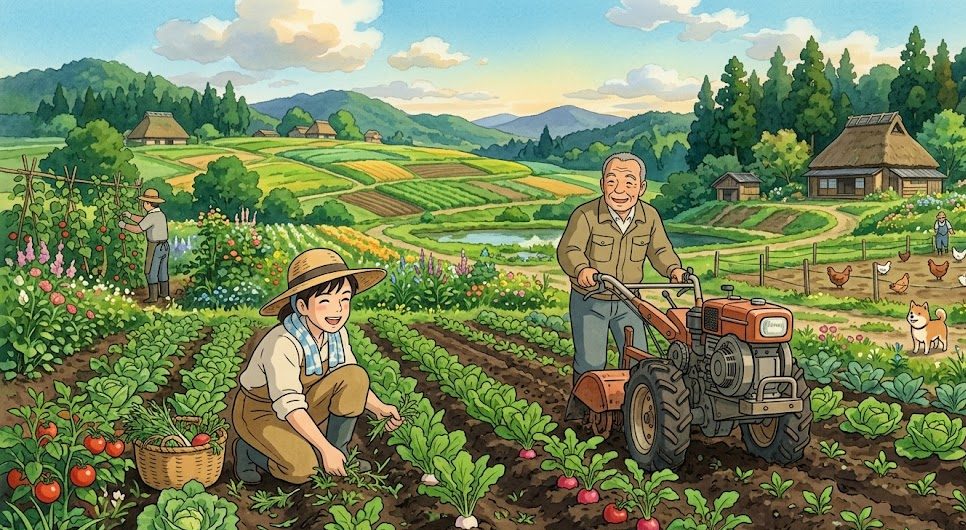
Weed management has undergone a seismic shift. In an era where sustainability, soil health, and ecological balance have become the cornerstones of responsible gardening and commercial agriculture, the “chemical-first” mentality of the 20th century is rapidly fading. As we navigate the growing season of 2026, the focus has moved toward precision, innovation, and returning to the wisdom of nature.
Whether you are managing a small home garden or a large-scale agricultural operation, the modern toolkit for weed control is more efficient, data-driven, and environmentally friendly than ever before.
1. The Shift Away from Synthetic Herbicides
For decades, synthetic herbicides like glyphosate were the default solution. However, increasing awareness regarding soil microbiome degradation, water contamination, and the evolution of “superweeds” that have developed resistance to these chemicals has forced a change.
In 2026, the goal is Integrated Weed Management (IWM)—a holistic strategy that uses a combination of techniques to keep weed populations below the economic or aesthetic threshold, rather than attempting total eradication.
2. Mechanical Innovations: Technology Meets Tradition
Mechanical weeding remains the most effective way to eliminate weeds without altering the chemistry of your soil. In 2026, this category has seen a massive infusion of technology.
Precision Robotics
Small, autonomous weeding robots have become accessible to commercial farmers and high-end hobbyists. These machines use high-definition cameras and AI-driven image recognition to distinguish between a crop and a weed. They can precisely hoe around a plant or apply mechanical pulses, all while navigating rows autonomously.
The “Flame Weeding” Renaissance
Thermal weeding, or flame weeding, uses controlled propane or electric heat to destroy weeds. By passing a flame over a weed, you rupture the plant’s cells.
- Best for: Driveways, gravel paths, and pre-emergence bed preparation.
- Pro Tip: You do not need to incinerate the weed. A quick “pass” that wilts the plant is enough to kill it.
3. Organic and Natural Control Methods
If you are looking to avoid heavy machinery, organic methods have become significantly more potent and reliable thanks to better research and application techniques.
Vinegar and Essential Oil Herbicides
Horticultural vinegar (which is significantly more concentrated than the vinegar in your kitchen) mixed with a surfactant like citrus oil creates a powerful contact herbicide.
- How it works: It acts as a “burn-down” agent. Because it is non-selective, it will kill any green tissue it touches. Use it carefully on a hot, sunny day for maximum impact on broadleaf weeds.
Corn Gluten Meal: The Pre-Emergent Powerhouse
For those looking to prevent weeds before they start, corn gluten meal is a proven organic pre-emergent. It prevents the seeds of invasive plants from developing their primary roots.
- Constraint: Timing is everything. It must be applied just before weed seeds begin to germinate in the early spring.
4. The Power of “Cultural” Weed Control
The most effective weed control happens before a single weed even appears. By manipulating the environment, you make it impossible for weeds to establish themselves.
Solarization
This is the process of using clear plastic sheets to trap heat in the soil during the hottest months of the year. The intense heat kills weed seeds, pathogens, and pests. It is an incredibly effective way to “clean” a garden bed before planting fall crops.
Living Mulches and Cover Crops
In 2026, the mantra is “never leave the soil bare.” Bare soil is an invitation to opportunistic weeds.
- Cover Crops: Planting clover, rye, or vetch provides competition for nutrients and light.
- Living Mulches: Planting low-growing, creeping plants between your rows of vegetables covers the ground, suppressing weed growth while potentially adding nitrogen back into the soil.
5. Strategic Mulching: The Gardener’s Best Friend
Mulching remains the gold standard for long-term weed suppression. However, the materials have evolved.
- Sheet Mulching (Lasagna Gardening): By layering cardboard or newspaper topped with compost, you create a barrier that smothers existing weeds while decomposing into rich soil.
- Arborist Wood Chips: Used extensively in orchards and ornamental beds, these provide long-term fungal inoculation for the soil, which helps beneficial plants thrive while out-competing weed seeds.
6. The 2026 Mindset: Acceptance vs. Eradication
Perhaps the most significant change in 2026 is the psychological shift among gardeners. We have learned that a “perfectly weed-free” garden is often a biologically sterile one. Many “weeds,” such as Dandelions or Clover, provide vital support for pollinators and can actually be used as indicators of soil health (e.g., they may indicate compacted soil or low calcium levels).
By focusing on competition rather than elimination, you foster a resilient ecosystem. When your desired plants are healthy, well-fed, and densely planted, they effectively shade out most weed competition on their own.
Conclusion
The weed control revolution of 2026 is defined by observation and precision. By combining traditional practices—like proper spacing and mulching—with modern technological interventions and safe organic sprays, you can maintain a beautiful, productive space without relying on harsh chemicals.
Weed control is no longer a battle to be won with poison; it is a strategy to be managed through diversity, timing, and a deep understanding of the living soil. As we move forward, the healthiest gardens will be those that work with the natural cycle, turning the task of weeding from a chore into an act of ecological stewardship.