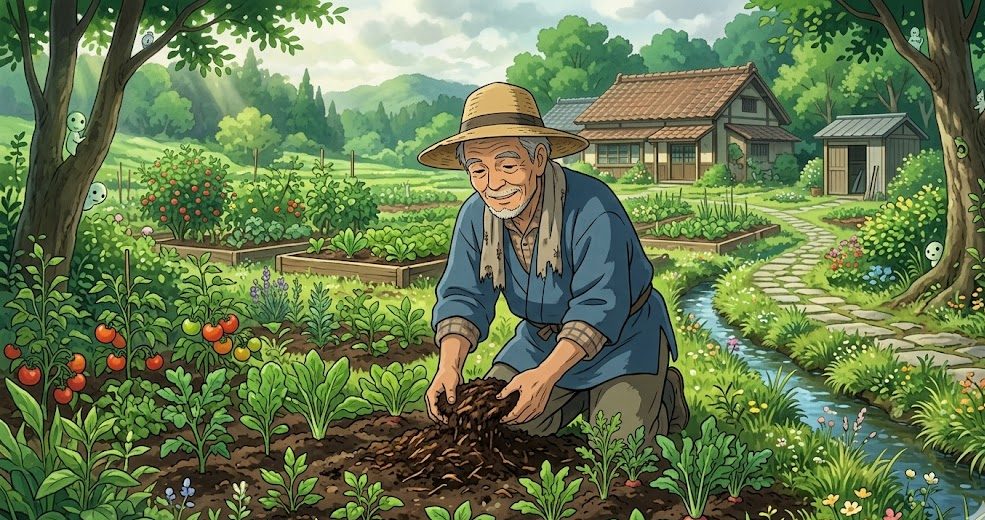
In the pursuit of modern agricultural profitability, many farmers fall into the trap of over-reliance on synthetic fertilizers and harsh chemical herbicides. While these might provide a quick fix, they often degrade soil structure, kill beneficial microorganisms, and lead to diminishing returns over time.
For the forward-thinking farmer, Natural Soil Restoration is not just an environmental choice—it is a high-yield business strategy. By restoring the natural biology of your soil, you create a self-sustaining environment that supports high-value cash crops while naturally suppressing stubborn weeds.
1. The Science of Soil Restoration: Biology over Chemistry
Soil is a living ecosystem. When you focus on restoring the “Soil Food Web,” you reduce your input costs significantly.
- Compost Tea and Microbial Inoculants: Instead of expensive NPK fertilizers, introduce beneficial bacteria and fungi via high-quality compost tea. These microbes break down organic matter into plant-available nutrients, making your crops more vigorous and resistant to stress.
- Green Manures: Planting crops specifically for soil health—like hairy vetch, clover, or mustard—adds massive amounts of organic carbon. As these plants decompose, they improve soil aeration and water retention, providing a “free” supply of nitrogen for your upcoming high-value harvest.
2. Choosing High-Value Cash Crops
To maximize profit per square foot, you must move away from commodity crops and focus on high-demand, high-value specialty items. Here are three categories that thrive in restored, healthy soil:
- Culinary Herbs (Organic/Specialty): Basil, cilantro, and rosemary are high-demand items for local markets and restaurants. Because they are often harvested throughout the season, they provide consistent cash flow.
- Organic Microgreens: These have a very short growth cycle (10–20 days), allowing for multiple harvests in a single season. They demand a premium price and require minimal space.
- Gourmet Mushrooms: If your climate allows, mushrooms are an incredible high-value crop. They can be grown on agricultural waste (like straw or sawdust), effectively turning “trash” into a luxury product.
3. Natural Weed Control: The “No-Disturbance” Strategy
Weeds are often a symptom of “sick” or imbalanced soil. When you use heavy tilling, you bring dormant weed seeds to the surface, where they germinate instantly. Here is how to control them naturally:
The Mulching Method
Nature never leaves soil bare. By covering your soil with organic mulch—such as straw, wood chips, or shredded leaves—you block sunlight from reaching weed seeds, preventing germination while keeping the soil cool and moist.
Competitive Planting (Allelopathy)
Some crops have natural “weed-fighting” capabilities. For example, certain cover crops like cereal rye release allelopathic compounds that naturally inhibit the germination of weeds. By planning your crop rotation to include these “natural herbicides,” you can reduce your manual weeding labor by up to 60%.
Precision Flame Weeding
For commercial-scale organic farms, flame weeding is a game-changer. Using a propane torch to briefly heat (not burn) the weeds causes the cell walls to collapse. This is highly effective for pre-emergent weed control—killing weeds before your high-value crops even sprout.
4. Building a Profitable Rotation Cycle
The secret to sustained profit is a crop rotation plan that balances soil nutrient extraction with soil building.
Pro Tip: Follow a Heavy Feeder -> Light Feeder -> Soil Builder sequence.
- Heavy Feeder: High-value crops like tomatoes or peppers.
- Light Feeder: Root crops like carrots or radishes.
- Soil Builder: Legumes or cover crops to replenish nitrogen.
This cycle prevents specific pests from establishing themselves in your soil and ensures that you aren’t mining your land of all its nutrients.
5. Monetizing Your Soil Quality
High-value buyers (like boutique grocers and farm-to-table restaurants) are increasingly looking for “regeneratively grown” produce. By documenting your natural soil restoration practices, you can market your crops as “Soil-Positive” or “Regenerative,” allowing you to charge a premium price compared to conventionally grown competitors.
- Transparency: Use a simple digital log to track your soil tests and inputs. Show your buyers that your crops are grown without synthetic toxins.
- Consistency: A healthy soil produces a better-tasting, more nutrient-dense product. Once your customers taste the difference, your product will become a brand they trust.
Conclusion: Turning Soil into Capital
Natural soil restoration is the ultimate insurance policy for your farm. It reduces your dependence on expensive, volatile-priced chemical inputs, improves your crop quality, and creates a farming system that works with nature rather than against it.
By integrating high-value crops with biological weed management, you are not just growing plants—you are building a sustainable, high-profit enterprise that remains productive regardless of market fluctuations. Start small, focus on building your soil biology first, and the yields—both in crop volume and financial return—will follow.