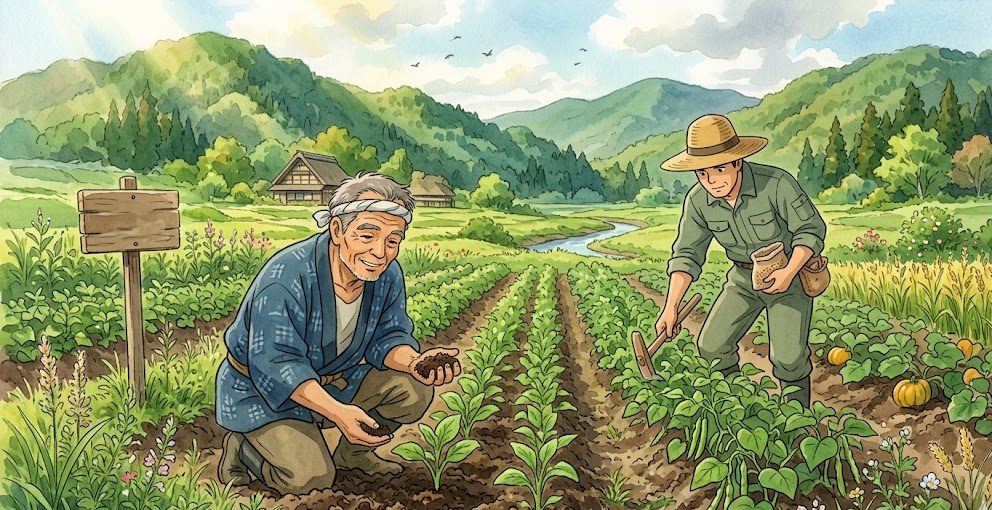
In the competitive world of commercial agriculture, profit margins are often dictated by the balance between input costs and yield quality. Many farmers fall into the trap of over-relying on synthetic fertilizers and harsh herbicides, which can degrade soil health and decrease long-term profitability.
To truly maximize your harvest, you must shift toward a model of natural soil healing and intelligent weed management. By restoring the soil’s natural fertility and controlling weeds through ecological strategies, you can reduce overhead costs and produce higher-quality, premium-priced cash crops.
1. The Economics of Soil Health
Healthy soil is your most valuable asset. When soil is biologically active, it provides plants with a steady supply of nutrients, reducing the need for expensive chemical inputs.
- The Cost of Chemicals: Synthetic fertilizers often provide a quick boost but kill off essential soil microbes. Over time, this leads to “soil addiction,” where you must apply more chemicals each year to get the same yield.
- The Natural Alternative: By building Soil Organic Matter (SOM) through compost, green manures, and microbial inoculants, you create a self-sustaining nutrient cycle. This shift alone can reduce your annual fertilizer expenditure by 20–30%.
2. Strategic Weed Management: Beyond Herbicides
Weeds compete with your cash crops for sunlight, water, and soil nutrients. However, blanket spraying of herbicides can damage your crop’s root zone and kill off beneficial insects.
A. The “Living Mulch” Technique
Instead of leaving bare soil between rows—which invites weed growth—plant a “living mulch” of low-growing, non-competitive cover crops like clover or creeping thyme. These plants suppress weeds by blocking sunlight from the soil surface while fixing nitrogen that your cash crops can use.
B. Precision Mulching
For row crops, use organic mulches like straw, wood chips, or biodegradable paper. This physical barrier stops weed seeds from germinating and helps the soil retain moisture, which is critical during dry spells.
C. Weed Suppression via Crop Density
Optimize your planting density. By spacing your crops intentionally to create a closed canopy faster, you naturally shade the ground. Once the crop canopy matures, weeds struggle to find the sunlight needed to thrive.
3. Healing the Soil: A Step-by-Step Approach
To maximize profit, you must view soil healing as a restorative process. Follow these steps to prepare your fields for higher-value yields:
- Soil Testing (The Financial Roadmap): Never guess. Conduct a soil test to understand exactly what your soil lacks. Tailor your organic amendments to these specific needs to avoid wasting money on unnecessary fertilizers.
- Incorporate Bio-Fertilizers: Use farm-made solutions like Jeevamrit (a mix of organic compost, cow dung, and urine) to introduce millions of beneficial bacteria into the soil. This encourages faster root development in your cash crops.
- Implement Rotational Grazing or Cropping: Rotate your cash crops with “soil-healing” crops. For example, after a heavy-feeding crop like corn, plant a nitrogen-fixing legume to naturally replenish the soil before the next season.
4. Maximizing Yields Through Stress Reduction
Cash crops that are stressed by poor soil conditions are more susceptible to pests and diseases. By focusing on soil structure:
- Water Efficiency: Soil rich in organic matter acts like a sponge. This reduces your water bills and protects your crops during sudden heatwaves.
- Disease Resistance: Plants grown in biologically diverse soil have stronger systemic resistance. You will spend less on pesticides and lose fewer crops to soil-borne pathogens.
5. Turning Sustainability into Profit
Why do these natural methods increase profit? It comes down to Net Profit vs. Gross Revenue.
- Reduced Inputs: You spend less on chemical fertilizers, expensive herbicides, and frequent irrigation.
- Premium Branding: Crops grown using natural soil healing practices often fetch higher prices in modern markets where consumers are increasingly looking for chemical-free, sustainably farmed produce.
- Long-Term Land Value: Your land remains productive for decades, not just a few seasons. You are building an asset that appreciates in value rather than one that gets depleted.
Conclusion: The Farmer’s Advantage
Maximizing profit in farming is not about doing more; it’s about working smarter. By transitioning from a cycle of chemical dependency to a system of natural soil healing and strategic weed control, you stabilize your costs and optimize your yields.
The transition may take time, but the result is a farm that is not only more profitable but also more resilient, sustainable, and better equipped to handle the challenges of modern agriculture. Start small, monitor your soil’s response, and watch your margins grow alongside your crops.