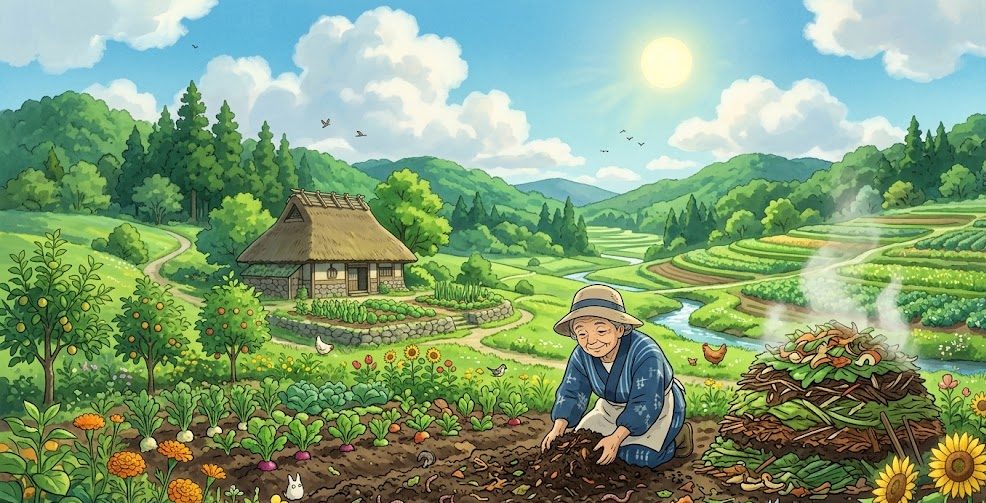
Healthy soil is the foundation of life on Earth, yet global agricultural land is facing a quiet crisis. Decades of heavy chemical farming, intensive tilling, and monoculture cropping have stripped fields of their natural fertility. According to soil scientists, a vast percentage of the world’s agricultural land is now classified as degraded, costing growers billions in lost productivity every year. For organic farmers, this presents a unique challenge: you cannot grow premium, nutrient-dense crops in lifeless, exhausted dirt.
Healing the soil naturally is not about finding a quick chemical fix; it is about restoring a living, breathing ecosystem. True organic farming requires looking below the surface to cultivate a thriving underground network of beneficial microbes, fungi, and organic material. This comprehensive guide breaks down the practical, time-tested methods to regenerate your soil naturally, boost crop resilience, and build a sustainable farming future from the ground up.
Understanding the Soil Food Web: The Living Network
Before you can fix your soil, you need to understand what makes it truly alive. Healthy soil is not just a collection of dirt and rock particles; it is a complex, dynamic environment known as the soil food web.
In a single teaspoon of healthy organic soil, there are more living organisms than there are people on our planet. This invisible workforce includes bacteria, protozoa, nematodes, and mycorrhizal fungi. These organisms work in harmony to break down organic matter, unlock tightly bound nutrients, and deliver them directly to plant roots in an easily absorbable form.
When synthetic fertilizers and harsh chemical pesticides are applied heavily, they act like a localized natural disaster, wiping out these beneficial species. Without this micro-community, the soil structure collapses, becoming hard, compacted, and unable to hold water efficiently. Regenerative organic farming focuses entirely on feeding this underground workforce so it can do its job naturally.
Core Strategies to Regenerate Soil Health
Restoring an exhausted field takes patience, but by using a combination of ecological principles, you can see dramatic improvements in soil structure and fertility within a few growing seasons.
1. The Magic of Diverse Cover Cropping
Leaving a field bare between main harvest seasons is an open invitation for topsoil erosion, nutrient leaching, and aggressive weed invasions. Cover cropping—often called “green manure”—is one of the fastest ways to jumpstart soil healing.
- Nitrogen Fixers: Legumes such as clover, vetch, and field peas form partnerships with specialized soil bacteria to pull nitrogen out of the air and deposit it naturally into the dirt.
- Deep Root Bioremediators: Deep-rooted plants like Daikon radishes act as natural jackhammers, drilling down through heavy clay layers to break up deep compaction and improve aeration.
- Biomass Builders: Fast-growing grasses like cereal rye produce massive amounts of organic surface residue, shielding the soil from heavy rains and hot afternoon sun.
Using a diverse blend of multiple cover crop species simultaneously stimulates a wider variety of underground microbes, accelerating the healing process far better than planting a single variety alone.
2. Utilizing Advanced Composting Techniques
Adding generic, raw manure can sometimes introduce unwanted weed seeds or pathogens. High-quality, well-managed compost is the gold standard for organic soil restoration.
+------------------------+      +------------------------+      +------------------------+
|      Green Waste       |  +   |      Brown Waste       |  =   |     Living Humus       |
| High-Nitrogen Material |      |  High-Carbon Material  |      | Rich in stable carbon  |
|  (Scraps, fresh trim)  |      |  (Straw, dry leaves)   |      |  and active microbes   |
+------------------------+      +------------------------+      +------------------------+
Thermal composting involves managing the pile so that beneficial aerobic bacteria generate heat between 135°F and 160°F. This temperature is high enough to neutralize weed seeds and bad pathogens while leaving helpful microbes intact. The resulting dark, crumbly humus acts like a sponge, dramatically improving the soil’s water retention capacity and providing a slow-release source of balanced plant nutrition.
3. Incorporating Biochar for Long-Term Storage
Biochar is a highly porous, charcoal-like material created by heating agricultural waste and biomass under zero-oxygen conditions. Unlike raw organic compost that eventually breaks down and disappears over a few seasons, biochar remains in the soil structure for hundreds of years.
Because of its microscopic, honeycomb-like structure, biochar acts as a permanent coral reef for the soil. It provides millions of safe microscopic shelters for beneficial microbes to colonize, while preventing water and vital water-soluble nutrients from washing completely away during heavy monsoon rains or flash floods.
Strategic Practices to Protect Your Regenerating Soil
Once you begin rebuilding your soil’s natural biology, you must take active steps to protect that fragile ecosystem from being disrupted or destroyed.
Minimizing Soil Disturbance (No-Till or Low-Till)
Traditional intensive tilling turns the soil upside down to create a clean, loose seedbed. However, heavy machinery breaks apart delicate fungal networks (mycorrhizae) and exposes deep-dwelling microbes to damaging UV sunlight and oxygen overloads, causing organic matter to oxidize and disappear into the atmosphere.
Transitioning to low-till or no-till practices keeps the underground layers intact. Farmers can utilize specialized tools like roller-crimpers to flatten cover crops into a thick, protective mulch blanket on top of the soil, then plant seeds directly through the residue without turning over the earth.
Implementing Heavy Mulching Systems
Nature never leaves its soil completely naked. Applying a generous layer of natural mulch—such as clean straw, wood chips, shredded leaves, or dropped crop residues—provides a vital protective barrier.
+-----------------------------------------------------------------+
|                    THE MULTI-BENEFIT MULCH BLANKET               |
+-----------------------------------------------------------------+
|  [Temperature Buffer] --> Regulates soil temperature in hot sun  |
|  [Moisture Lock]      --> Cuts evaporation, reducing water needs |
|  [Weed Suppression]   --> Blocks sunlight, stopping weed seeds   |
+-----------------------------------------------------------------+
As the bottom layer of mulch slowly decomposes over the season, it constantly feeds the local earthworm and surface microbe populations, pulling rich organic matter down into the main root zone naturally.
Monitoring Progress: How to Know Your Soil is Healing
You don’t always need an expensive lab setup to track whether your natural soil regeneration strategies are working. There are several highly practical indicators you can monitor directly in your fields.
| Indicator | Method of Observation | Sign of Success |
|---|---|---|
| Earthworm Count | Dig a 12-inch cube of soil during a moist spring morning. | Finding 10 or more active earthworms indicates a healthy food supply. |
| Soil Smell | Take a handful of damp soil from the root zone and smell it. | A sweet, rich, earthy aroma (caused by geosmin from good bacteria) means health. |
| Infiltration Test | Pour a cup of water onto dry soil and time how fast it absorbs. | Water should soak in quickly within seconds rather than pooling or running off. |
| Root Inspection | Gently pull up a weed or a cover crop to inspect the roots. | Roots should be long, deeply branched, and covered in a layer of crumbly dirt clinging to them. |
Conclusion: Investing in Your Ultimate Asset
Healing the soil naturally is a long-term investment that shifts the focus of agriculture from inputs to ecosystems. In organic farming, you are not directly feeding the plant; you are feeding the soil, and letting the soil feed the plant.
By embracing diverse cover crops, premium thermal compost, biochar, and minimal tilling, you can transform exhausted, lifeless ground into a self-sustaining agricultural powerhouse. Over time, this natural approach significantly slashes the need for off-farm inputs, improves water efficiency, and produces crops that are naturally defended against pests and changing climate conditions. The path to sustainable, high-yielding organic farming does not come out of a synthetic bag—it begins by healing the earth right beneath your feet.