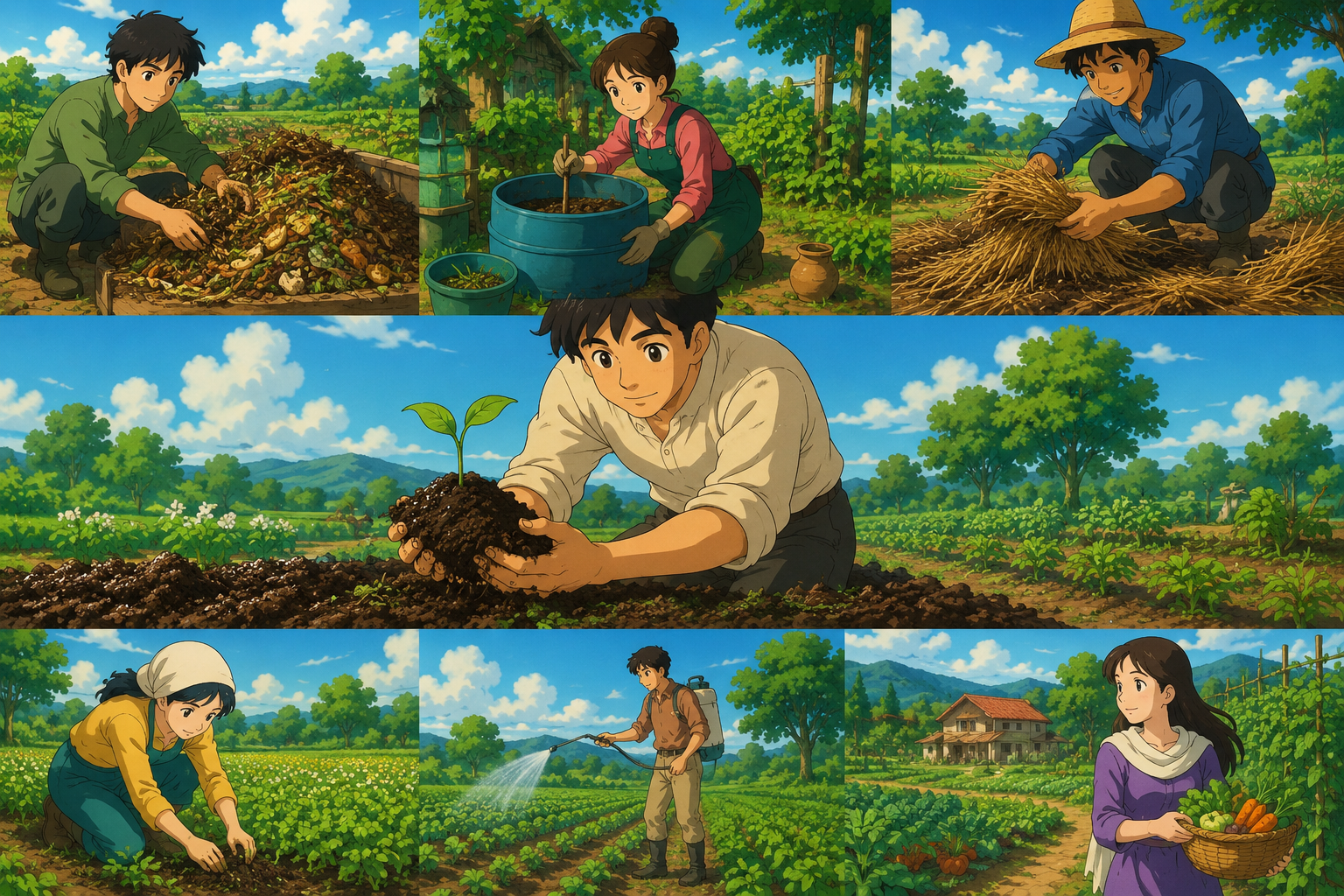
Grab a handful of earth from a healthy, thriving farm, and you are holding more living organisms than there are human beings on the planet. For generations, we have treated the ground simply as a sponge to hold water and chemical fertilizers. But soil is not just dirt; it is a complex, living, and breathing ecosystem.
Unfortunately, years of intense farming, heavy tilling, and reliance on synthetic chemicals have left much of our agricultural land exhausted and degraded. When the soil dies, crops weaken, pests move in, and farming becomes an expensive, uphill battle.
The good news is that nature knows exactly how to heal itself. By shifting our focus from simply feeding the plant to actively feeding the ground, we can reverse this damage. Whether you are managing a large commercial operation or seeking resilient agriculture solutions for a smaller homestead, repairing your soil is the ultimate investment. Let us explore proven, natural methods to bring your land back to life.
Why Healing the Soil Matters
To understand how to fix the ground, you have to understand how it works. Healthy soil is a bustling underground city. It is filled with beneficial bacteria, microscopic fungi, earthworms, and insects. These tiny workers break down dead plant matter, turning it into raw, accessible nutrients that plant roots can easily absorb.
When we use heavy chemical fertilizers and harsh pesticides, we wipe out this underground workforce. The soil becomes hard, lifeless, and unable to hold moisture. Rainwater simply runs off the surface, washing away precious topsoil with it.
Healing the soil naturally restores this biological workforce. Rich, healthy earth acts like a giant sponge, holding water during dry spells and draining well during heavy rains. It creates a robust foundation that grows stronger, more nutrient-dense crops that are naturally resistant to disease.
Practical Tips for Natural Soil Healing
You do not need expensive laboratory chemicals to fix degraded land. The most effective methods are the ones nature has been using for millions of years. Here are practical ways to start healing your soil today.
1. Plant Protective Cover Crops Bare soil is damaged soil. When the earth is left exposed to the blazing sun and pounding rain, the top layer dies and erodes. Cover crops, often called “green manures,” are plants grown specifically to protect and enrich the ground between your main harvest seasons. Clover, vetch, and winter rye are excellent choices. They act like a living blanket, stopping weeds, preventing erosion, and naturally pulling nitrogen from the air to store it in the ground.
2. Maximize Organic Matter with Compost Adding high-quality compost is the fastest way to jumpstart lifeless dirt. Compost is essentially decayed organic matter—a dark, crumbly mixture of old leaves, crop residue, and aged animal manure. When you spread compost over your fields, you are directly feeding the microorganisms that keep the earth healthy. It improves soil structure, making heavy clay lighter and helping sandy soil retain water.
3. Reduce Tilling and Plowing For a long time, farmers believed that deep plowing was necessary to loosen the earth. We now know that heavy tilling actually destroys the delicate fungal networks that live underground. These networks help plant roots communicate and share nutrients. By adopting a “no-till” or “low-till” approach, you leave the soil structure intact. Instead of turning the earth over, you layer organic matter on top and let the earthworms do the digging for you.
4. Practice Smart Crop Rotation Different plants take different nutrients from the ground, and they attract different pests. If you grow the exact same crop in the exact same spot year after year, you will quickly drain the soil of specific minerals. By rotating your crops—for example, planting nitrogen-fixing beans in a field where you grew heavy-feeding corn the year before—you give the land a chance to rest and naturally replenish its nutrient balance.
A Real-Life Example: Breaking the Hardpan
Consider a farmer who purchased a piece of land that had been conventionally farmed for decades. The heavy machinery and constant plowing had created a “hardpan”—a layer of soil beneath the surface that was compacted as hard as concrete. Water could not drain, and plant roots could not grow deep.
Instead of hiring expensive heavy equipment to rip the soil apart, the farmer used a natural biological tool: the Daikon radish, also known as the “tillage radish.”
He planted fields of these radishes in the late summer. The radishes grew massive, aggressive roots that drilled straight down, breaking right through the compacted hardpan. When winter arrived, the radishes naturally died and rotted in the ground. This left thousands of deep, nutrient-rich holes in the earth. By the following spring, the soil was loose, aerated, and ready for planting, all without a single tractor blade touching the earth.
Step-by-Step Guide: Brewing Natural Compost Tea
If your soil needs an immediate biological boost, compost tea is a fantastic, natural solution. It is a liquid fertilizer packed with billions of beneficial microbes. Here is a simple way to brew it.
Step 1: Gather your supplies. You will need a 5-gallon bucket, a small aquarium air pump with an airstone (to provide oxygen), unchlorinated water, and about two cups of high-quality, earthy-smelling compost.
Step 2: Prepare the water. Fill the bucket with water. If you are using city tap water, let it sit in the open bucket for 24 hours first, or run the air pump in it. This allows the chlorine to evaporate, as chlorine will kill the beneficial microbes you are trying to grow.
Step 3: Feed the microbes. Add one tablespoon of unsulfured blackstrap molasses to the water and stir well. The molasses provides raw sugars that act as an energy drink for the bacteria, helping them multiply rapidly.
Step 4: Add the compost and aerate. Place your compost into a porous bag (like a fine mesh bag or an old pair of pantyhose) and suspend it in the water, much like a giant tea bag. Turn on the air pump and drop the airstone to the bottom of the bucket.
Step 5: Let it brew. Allow the mixture to bubble actively for 24 to 36 hours. Keep it out of direct, hot sunlight. The water should turn a rich brown color and smell pleasantly earthy, like a forest floor.
Step 6: Apply immediately. Once the brewing is done, remove the air pump. Pour the liquid into a watering can or a sprayer. Apply it directly to the soil around the base of your plants, or spray it gently onto the leaves early in the morning. Use it within a few hours for the best results.
Common Mistakes to Avoid
Healing the land is a natural process, but it is easy to stumble along the way. Watch out for these common errors:
- Expecting Overnight Miracles: Chemical fertilizers provide an instant, artificial green-up. Natural soil healing takes time. It may take a full growing season or two before you see dramatic changes in soil texture and crop yield. Patience is essential.
- Leaving the Ground Naked: Nature hates bare dirt. If you do not plant a cover crop or apply a thick layer of mulch (like straw or wood chips), the sun will bake the life out of your topsoil, and weeds will immediately take over.
- Using Fresh Manure: While aged animal manure is wonderful for the ground, fresh manure is too high in nitrogen and can literally burn the roots of your plants. Always let manure age and compost for at least six months before applying it to your fields.
Conclusion
Healthy farming begins and ends with healthy soil. We cannot continue to treat the earth as an empty factory floor that just needs more synthetic inputs. By observing nature and supporting the biological life beneath our feet, we create resilient, highly productive farms.
Healing the soil naturally requires a shift in perspective. It means putting away the heavy plows, covering the earth, and trusting the microbes, fungi, and earthworms to do their jobs. While the transition takes time and careful observation, the long-term rewards are undeniable. You will build a farming system that is cheaper to run, better for the environment, and capable of producing beautiful, healthy crops for generations to come.
Frequently Asked Questions (FAQs)
Q: How long does it take to see the results of natural soil healing? A: While adding compost or compost tea provides a quick biological boost, physically changing the structure of degraded soil takes time. Most farmers see noticeable improvements in water retention and plant health within one to two years of consistent natural practices.
Q: Do I need animal manure to heal my soil? A: No, animal manure is not strictly necessary. You can build incredibly rich soil using entirely plant-based methods. High-quality compost made from leaves, grass clippings, and kitchen scraps, combined with diligent cover cropping, will provide all the organic matter your land needs.
Q: Why are earthworms so important to the ground? A: Earthworms are nature’s ultimate plows. As they tunnel through the earth, they create channels that allow air and water to reach plant roots. Furthermore, the waste they leave behind (called worm castings) is one of the most nutrient-dense natural fertilizers in the world.
Q: Will adding a thick layer of mulch attract pests to my crops? A: While mulch provides a hiding place for some insects, a healthy, balanced soil ecosystem will also attract predatory insects that keep pests in check. Keep the mulch a few inches away from the direct stems of your plants to prevent rot and deter stem-chewing bugs.
Q: Is natural soil regeneration expensive to start? A: Healing the soil naturally is incredibly cost-effective, especially compared to the rising prices of chemical fertilizers. Your primary investments will be time, physical effort, and perhaps the cost of cover crop seeds. Nature provides the rest of the tools for free.