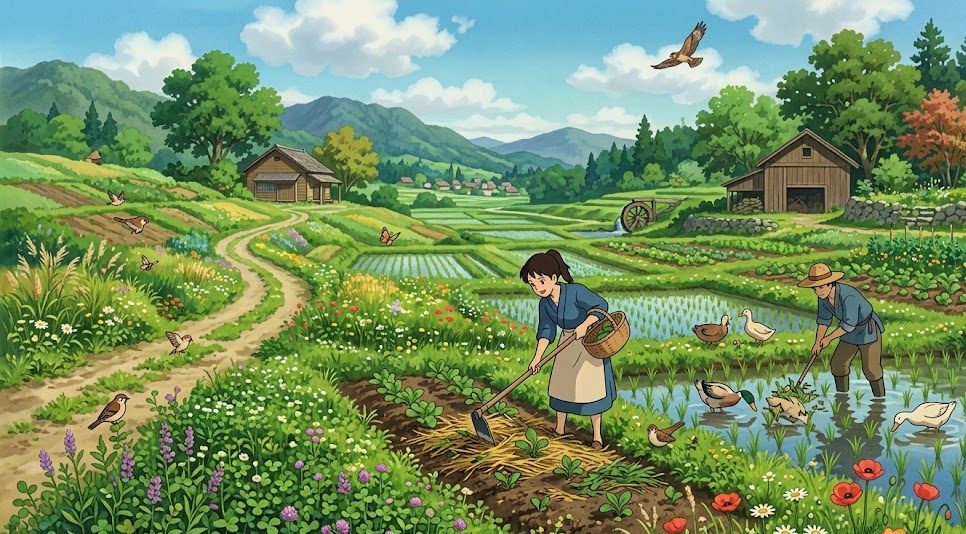
Weeds are the eternal nemesis of every gardener and farmer. They are opportunistic, resilient, and seemingly tireless in their quest to take over our flower beds, vegetable patches, and fields. For decades, the reflex response has been to reach for the nearest chemical herbicide. While effective in the short term, these synthetic solutions often come with a heavy price: degradation of soil health, harm to beneficial insects like pollinators, and the risk of chemical runoff into our water systems.
But what if there is a better way? Enter Integrated Weed Management (IWM).
IWM is not a single product or quick fix; it is a holistic philosophy. It focuses on understanding the life cycle of weeds and using a combination of preventative, physical, biological, and cultural techniques to keep them at bay. By shifting our focus from eradicating weeds to managing them, we can create a healthier ecosystem that naturally suppresses weed growth.
1. Prevention: The First Line of Defense
The smartest way to deal with weeds is to never give them a place to grow in the first place.
- Mind the Soil Surface: Nature abhors a vacuum. Exposed soil is an invitation for weed seeds to germinate. Keep your soil covered with organic mulch, such as straw, wood chips, or shredded leaves. A thick layer of mulch blocks sunlight, preventing weed seeds from sprouting.
- Don’t Disturb the Seed Bank: Every time you till the soil, you bring dormant weed seeds to the surface, where sunlight triggers them to grow. Minimize tilling. Consider “no-dig” gardening methods that layer organic matter on top rather than churning the soil underneath.
- Stop Them Before They Seed: The golden rule of weed management: Never let a weed go to seed. One mature weed can drop thousands of seeds into your soil, guaranteeing years of work. Remove or deadhead weeds as soon as you see them forming flowers.
2. Cultural Practices: Growing Stronger Plants
A robust, healthy plant is your best ally against weeds. By optimizing conditions for your desired crops, you effectively crowd out the competition.
- Competitive Planting: Use “living mulches” or groundcovers. Planting low-growing, spreading plants (like creeping thyme or clover) between larger crops fills the empty gaps, leaving no room for weeds to establish.
- The Power of Density: Space your plants closely enough so their leaves create a canopy (the “canopy effect”) that shades the ground. When the ground is shaded, weeds struggle to get the light they need to thrive.
- Strategic Watering: Weeds often thrive on surface moisture. Use drip irrigation or soaker hoses to deliver water directly to the root zones of your plants. This keeps the soil surface drier, which is less hospitable to weed germination while keeping your crops well-hydrated.
3. Physical and Mechanical Controls
When weeds do appear, physical removal is the most direct path. The key is efficiency and timing.
- Hand Weeding (The “Golden Hour”): The best time to weed is shortly after a good rain or deep watering. The soil is soft, allowing you to pull weeds out by the roots much more easily than when the ground is dry and compacted.
- The Hoeing Technique: A sharp stirrup hoe is a gardener’s best friend. When used on small, young weed seedlings, you can clear large areas in minutes. Do this on a sunny morning; the cut seedlings will dry out and die before they have a chance to re-root.
- Solarization: For areas heavily infested with weeds, soil solarization is a highly effective, non-chemical method. Cover the area with a clear plastic tarp during the hottest months. The trapped heat will cook the weed seeds and pests in the top layer of soil, effectively sterilizing it for planting.
4. Biological Controls: Nature’s Helpers
In larger setups, we can lean on natural processes. This involves encouraging the presence of organisms that target specific weeds. While more common in large-scale agriculture, even home gardeners can benefit from biological balance. By maintaining diverse plantings, you encourage beneficial insects, birds, and soil microorganisms that play a role in regulating the garden ecosystem.
The Shift in Mindset: From War to Management
Adopting an integrated approach requires a shift in perspective. Instead of viewing every weed as a failure, view your garden as a dynamic system.
When you stop relying on harsh chemicals, you start noticing the nuances:
- You’ll see where the soil is compacted (which weeds love).
- You’ll identify areas with poor drainage.
- You’ll appreciate the health of your soil as it becomes home to earthworms and beneficial fungi that thrive without synthetic interference.
Final Thoughts
Moving away from harsh chemicals doesn’t mean you have to surrender your garden to weeds. In fact, it often leads to a more lush, vibrant, and resilient landscape. By combining prevention, smart cultural practices, and consistent physical maintenance, you aren’t just fighting weeds—you are cultivating a thriving environment where your plants have the upper hand.
It’s time to stop fighting nature and start working with it. Your soil, your plants, and the local ecosystem will thank you for it.