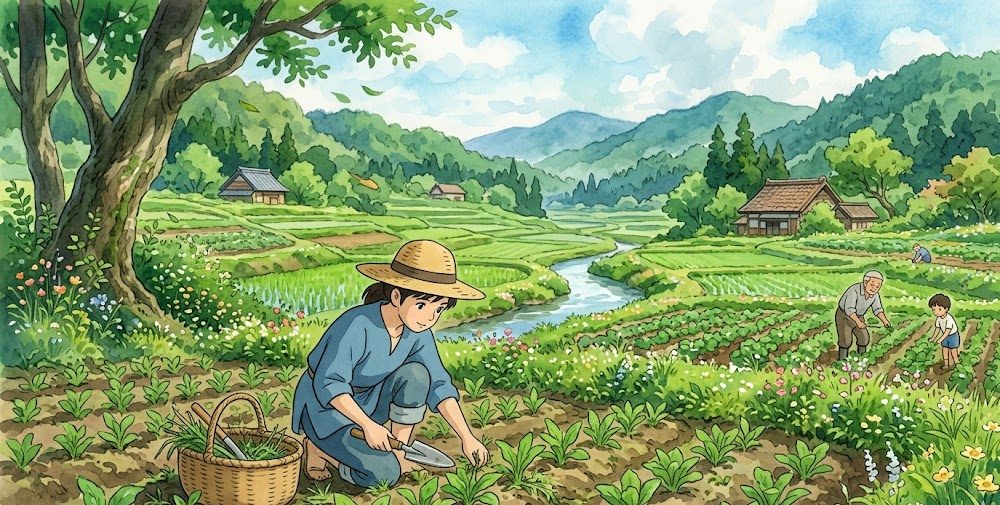
Every farmer knows that planting the seed is only the beginning of the agricultural journey. From the moment a crop sprouts, it faces a relentless barrage of threats. Weeds compete for vital resources, insects view the fields as an endless buffet, and invisible pathogens threaten to wipe out months of hard work. To ensure a successful harvest and maintain global food security, farmers must employ robust, dynamic strategies to protect their fields.
In this comprehensive guide, we will dive deep into Effective Weed Management and Crop Protection Strategies. Whether you are a large-scale commercial operator or an organic homesteader, understanding how to implement these integrated techniques is the key to maximizing yield, protecting the environment, and securing farm profitability.
The Hidden Enemy: Why Weed Management Matters
Weeds are often referred to as the “silent thieves” of agriculture. Unlike a sudden pest infestation or a dramatic weather event, weeds slowly and quietly rob crops of essential elements.
- Resource Competition: Weeds aggressively compete with primary crops for sunlight, water, and soil nutrients. Because they are often naturally adapted to the local environment, they usually grow faster and spread quicker than cultivated crops.
- Harboring Pests and Diseases: Weeds often serve as secondary hosts for harmful insects, fungi, and viruses. Even if you treat your main crop, a perimeter of weeds can harbor pests that will re-infect your field.
- Harvest Interference: Heavy weed infestations can entangle farming equipment, slow down the harvesting process, and contaminate the final harvested grain or produce, lowering its market value.
To combat this, modern agriculture relies on Integrated Weed Management (IWM). Rather than relying on a single silver bullet, IWM combines multiple methods to keep weed populations below the economic threshold where they cause significant financial loss.
Core Strategies for Integrated Weed Management (IWM)
Effective weed control requires a multi-faceted approach. By layering different defense mechanisms, farmers can manage weeds sustainably and effectively.
1. Cultural Control Methods
Cultural control involves modifying the farming environment to give the crop a competitive advantage over weeds.
- Crop Spacing and Density: Planting crops closer together allows their leaves to create a canopy faster. This canopy blocks sunlight from reaching the soil, preventing weed seeds from germinating.
- Cover Cropping: As mentioned in sustainable agriculture practices, planting cover crops (like rye or clover) during off-seasons prevents weeds from establishing themselves in bare soil.
- Crop Rotation: Different crops require different weed management practices. Rotating crops disrupts the life cycle of specialized weeds that thrive alongside specific plants.
2. Mechanical and Physical Control
These are the oldest and most traditional methods of weed management, relying on physical force to remove or suppress weeds.
- Tillage and Cultivation: Plowing the soil uproots young weeds and buries weed seeds deep underground where they cannot sprout. However, over-tilling can lead to soil erosion, so it must be done judiciously.
- Mulching: Applying a thick layer of organic mulch (straw, wood chips) or synthetic mulch (plastic sheeting) over the soil creates a physical barrier that smothers emerging weeds and retains soil moisture.
- Thermal Weeding: Using targeted flame weeders or hot water sprays to boil the water inside weed plant cells, causing them to collapse and die. This is highly effective in organic farming.
3. Biological Control
Biological control uses nature’s own mechanisms to suppress weed growth.
- Natural Predators: Introducing highly specific insects or grazing animals (like sheep or goats) that feed exclusively on targeted weed species.
- Allelopathy: Some plants naturally release biochemicals into the soil that inhibit the germination or growth of competing plants nearby. Sunflowers and sorghum, for example, are known for their natural allelopathic weed-suppressing properties.
4. Chemical Control (Herbicides)
When cultural, mechanical, and biological methods are not enough, chemical herbicides act as a powerful tool. However, they must be used responsibly.
- Pre-emergent vs. Post-emergent: Pre-emergent herbicides are applied to the soil before weeds sprout to stop germination. Post-emergent herbicides are applied directly to weeds that have already grown.
- Targeted Application: Modern farming focuses on precision application rather than blanket spraying. This reduces the chemical load on the environment and slows the development of herbicide-resistant “superweeds.”
Holistic Crop Protection Strategies
While weed management is crucial, it is only one piece of the puzzle. Comprehensive crop protection must also address insects, fungi, bacteria, and viruses through Integrated Pest Management (IPM).
Disease Management and Prevention
Plant diseases can decimate an entire field in a matter of days. Protection strategies include:
- Resistant Varieties: Thanks to traditional breeding and modern genetics, farmers can plant crop varieties that are naturally resistant to prevalent local diseases, such as blight or rust.
- Fungicides and Bactericides: Applied preventatively or at the first sign of an outbreak, these treatments stop the spread of fungal spores and bacterial infections.
- Sanitation: Thoroughly cleaning farm equipment between fields prevents the accidental transfer of contaminated soil or diseased plant material.
Insect Pest Management
Insects can cause catastrophic defoliation and fruit damage.
- Pheromone Traps: Farmers use synthetic insect hormones to lure and trap pests. This not only removes the insects but helps farmers monitor pest population levels to decide if further action is needed.
- Beneficial Insects: Releasing predatory insects, such as ladybugs, lacewings, and parasitic wasps, provides a natural, chemical-free way to decimate populations of aphids and caterpillars.
The Future: Technology in Crop Protection
The landscape of crop protection is rapidly evolving, driven by incredible technological advancements.
- Agricultural Drones: Drones equipped with multispectral cameras can fly over hundreds of acres, identifying localized weed patches, pest damage, or nutrient deficiencies long before they are visible to the human eye. They can also be used for hyper-targeted spot-spraying of pesticides.
- AI and Machine Learning: Smart tractors and automated weeders use advanced computer vision to distinguish between a crop and a weed in real-time. These machines can physically slice the weed out of the ground or deliver a micro-dose of herbicide directly to the weed’s leaves, leaving the crop untouched.
- IoT Soil Sensors: Wireless sensors placed throughout the field monitor soil moisture, temperature, and chemical makeup, predicting the exact conditions that might lead to a fungal outbreak or a weed germination event.
Conclusion
Effective weed management and crop protection are not about completely eradicating nature; they are about intelligently managing the agricultural ecosystem. By moving away from a reliance on single methods and embracing Integrated Weed and Pest Management, farmers can achieve higher yields, reduce environmental impacts, and improve their bottom line.
As we look toward the future, the integration of smart technology with proven cultural, biological, and physical practices will usher in a new era of agriculture. It is an era where crop protection is precise, sustainable, and highly effective, ensuring a bountiful harvest for generations to come.