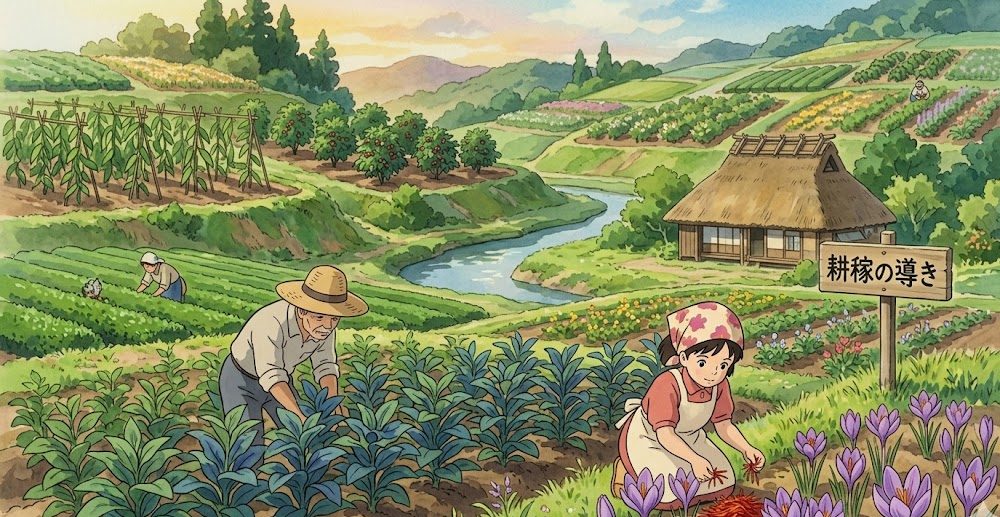
For generations, agriculture was primarily about subsistence—growing enough food to feed a family or a local community. Today, agriculture is a multi-trillion-dollar global industry, and at the heart of this economic engine are cash crops. Unlike subsistence crops, cash crops are cultivated specifically to be sold for profit, often on the national or international market.
If you are a landowner, an agribusiness investor, or an aspiring farmer looking to maximize your return on investment (ROI), transitioning to or expanding your portfolio with lucrative cash crops is one of the smartest moves you can make.
This comprehensive guide will break down what makes a crop profitable, highlight some of the most lucrative options available today, and provide a strategic blueprint for successful cultivation.
What Makes a Cash Crop “Lucrative”?
Not all crops are created equal when it comes to profitability. A standard field of feed corn might guarantee a modest, steady income, but true lucrative potential relies on a few specific economic factors:
- High Market Demand vs. Low Supply: Crops that are difficult to grow or require very specific climates often command premium prices.
- Global Export Potential: Commodities that are heavily traded internationally (like coffee or cotton) offer massive scalability.
- Value-Added Opportunities: Crops that can be processed into higher-value products (e.g., lavender turned into essential oils, or hemp into CBD) drastically increase profit margins.
- Short Harvest Cycles: Crops that mature quickly allow for multiple harvests per year, maximizing the revenue per acre.
Top High-Yield Cash Crops to Consider
The best crop for your farm will depend heavily on your local climate, soil type, and available capital. However, here is a look at some of the most consistently lucrative cash crops across different categories:
1. High-Value Spices: The “Red Gold”
Spices have driven global trade for centuries, and they remain some of the most expensive agricultural commodities by weight.
- Saffron: Often called “red gold,” saffron is the most expensive spice in the world. It requires intensive manual labor to harvest the delicate stigmas of the crocus flower, but it can sell for thousands of dollars per pound. It thrives in dry, Mediterranean-style climates.
- Vanilla: Real vanilla beans are highly sought after by gourmet chefs and food manufacturers. Grown from specific orchids in tropical climates, the curing process is extensive, but the financial payoff is immense.
2. Wellness and Medicinal Plants
The global boom in health, wellness, and natural remedies has created a massive market for specialty botanicals.
- Ginseng: Highly valued in traditional Asian medicine, high-quality ginseng roots can fetch incredible prices. The catch? It takes several years (sometimes up to a decade) for the roots to reach maturity. It is a long-term investment that requires shaded, woodland-style environments.
- Lavender: A remarkably versatile crop. Not only can you sell the fresh or dried flowers, but distilling the plant into essential oils multiplies your profits. Furthermore, lavender farms often double as lucrative agritourism destinations.
3. Gourmet Fungi and Microgreens
If you are working with limited land or urban spaces, you can still generate massive profits through controlled-environment agriculture.
- Gourmet Mushrooms: Varieties like Oyster, Shiitake, and Lion’s Mane grow incredibly fast (often in just a few weeks) and can be cultivated indoors year-round. They command high prices at local farmer’s markets and high-end restaurants.
- Microgreens: These nutrient-dense young vegetables take only 1 to 3 weeks to harvest. Because they can be grown in vertical indoor setups, the yield per square foot is astronomically high.
4. The Traditional Heavyweights
For those with vast acreage, traditional global commodities remain highly lucrative when managed efficiently.
- Coffee and Tea: The world runs on caffeine. If you are in the right tropical or subtropical altitude, cultivating specialty, fair-trade coffee beans or artisanal tea leaves can connect you to premium buyers worldwide.
- Hemp (Industrial and CBD): With changing legal landscapes, hemp has surged as a cash crop. It grows rapidly and requires fewer pesticides than cotton. Its fibers are used in textiles and construction, while its flowers are processed for the booming CBD market.
The Blueprint: How to Succeed in Cash Crop Cultivation
Choosing the right crop is only the first step. Cultivating cash crops successfully requires treating your farm like a highly optimized business.
Step 1: Rigorous Market Research
Before planting a single seed, know exactly who will buy your harvest. Are you selling direct-to-consumer at local markets, supplying local restaurants, or securing contracts with massive wholesale distributors? Understand the current market price and the historic volatility of your chosen crop.
Step 2: Soil Mapping and Climate Alignment
Do not fight nature; work with it. Conduct extensive soil testing to understand your land’s pH and nutrient profile. Invest in modern irrigation systems and ensure your chosen crop aligns perfectly with your region’s hardiness zone and rainfall patterns.
Step 3: Invest in Technology and Infrastructure
To maximize margins, you need to minimize waste. Utilize agricultural drones for crop monitoring, install smart irrigation systems to conserve water, and ensure you have the proper harvesting machinery. For crops that require processing (like drying facilities for herbs or curing sheds for tobacco), factor this infrastructure into your initial capital.
Step 4: Implement Stringent Risk Management
Cash crops can be vulnerable to price crashes, unseasonable frosts, or invasive pests.
- Diversification: Never plant your entire acreage with one volatile crop. Mix high-risk/high-reward crops with stable, traditional commodities.
- Crop Insurance: Protect your financial investment against catastrophic weather events.
- Integrated Pest Management (IPM): Use a combination of biological controls and targeted treatments to protect your yields without damaging the soil ecosystem.
Conclusion
Cultivating lucrative cash crops is the bridge between traditional farming and modern entrepreneurship. By moving away from low-margin staples and embracing high-value, high-demand agricultural products, farmers can secure a highly profitable future.
Whether you are carefully harvesting saffron threads by hand, managing a massive commercial hemp operation, or setting up an automated indoor microgreen facility, success requires the same formula: thorough market research, scientific agricultural practices, and unwavering business acumen. Treat your soil as your greatest asset, and it will pay dividends for years to come.