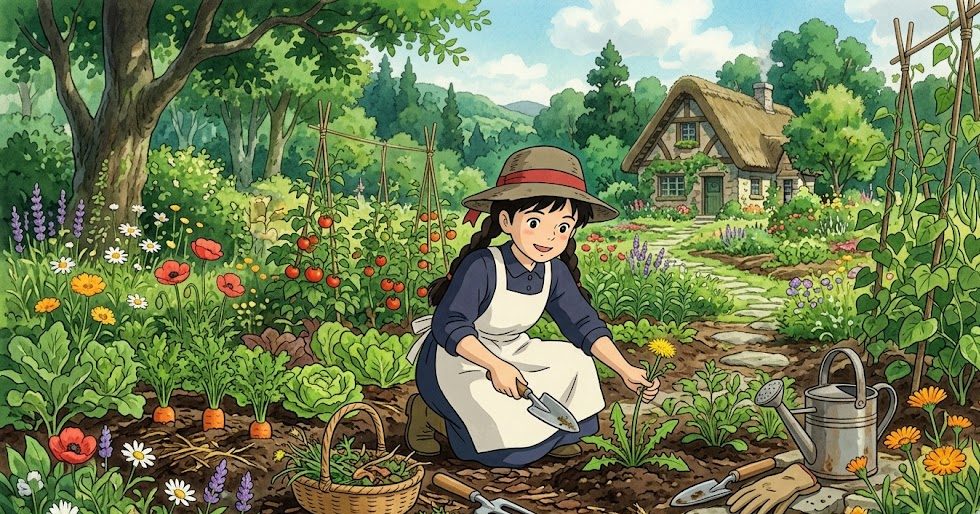
Every gardener knows the sudden feeling of frustration that comes with looking out at a beautifully manicured garden bed, only to spot a sea of aggressive, unwanted green invaders. Weeds are nature’s ultimate opportunists. They grow faster than your favorite vegetables, steal precious nutrients from the soil, crowd out delicate flowers, and hoard water during dry spells.
For decades, the go-to solution for many homeowners was to grab a chemical weed killer from the local garden center. But times are changing. Today, more people than ever are realizing the hidden costs of these synthetic chemical sprays. Not only can they disrupt the delicate microbial life in your soil, but they also pose potential risks to curious backyard pets, local wildlife, essential pollinators like honeybees, and even our own families.
The great news is that you do not need a shelf full of toxic chemicals to maintain a pristine, weed-free garden. By understanding how weeds think and leveraging natural, sustainable strategies, you can build a highly effective organic defense system.
This comprehensive, beginner-friendly guide will walk you through the absolute best methods for organic weed control, allowing you to reclaim your garden while keeping your local ecosystem thriving, safe, and completely healthy.
Phase 1: Understanding Your Enemy
Before diving into elimination tactics, it helps to understand why weeds are in your yard in the first place. In nature, bare soil is considered an emergency. Whenever the earth is left exposed to the elements, nature rushes in with hardy, fast-growing pioneer plants (which we call weeds) to protect the ground from erosion and baking sun.
1. The Seed Bank in Your Soil
Right now, there are likely thousands of dormant weed seeds resting just beneath the surface of your garden beds. They can survive in the dark for years. They are simply waiting for two things to happen: exposure to sunlight and a burst of moisture.
2. Annual vs. Perennial Weeds
Knowing what type of weed you are dealing with dictates how you defeat it:
- Annual Weeds: These plants grow, drop seeds, and die all within a single season (like crabgrass or chickweed). Your goal with annuals is to stop them from dropping their seeds.
- Perennial Weeds: These deep-rooted survivors return year after year from the same root system (like dandelions or thistles). To stop a perennial, you must completely destroy or starve the root.
Phase 2: Prevention – Stopping Weeds Before They Start
The absolute easiest weed to deal with is the one that never sprouts. Instead of waiting for a jungle to grow and then fighting it back, focus heavily on defensive, preventative gardening practices.
1. The Magic of Organic Mulching
Mulching is the undisputed heavyweight champion of organic weed control. By covering your bare garden soil with a thick layer of organic material, you accomplish two critical tasks: you block vital sunlight from reaching dormant weed seeds, and you create a physical barrier that makes it incredibly difficult for airborne seeds to take root.
The best organic mulches include:
- Clean Straw or Hay: Excellent for vegetable gardens.
- Shredded Bark or Wood Chips: Perfect for permanent flower beds, pathways, and around fruit trees.
- Dried Leaves or Grass Clippings: A fantastic, budget-friendly option that adds rich nutrients back to the soil as it decomposes.
To make mulch genuinely effective, do not skimp on the depth. Apply a generous 2 to 3-inch layer across your beds, making sure to keep the mulch a few inches away from the direct trunks or stems of your plants to prevent moisture rot.
2. Use the “No-Till” Gardening Philosophy
Every time you run a heavy mechanical tiller through your garden or aggressively turn over your soil with a shovel, you are doing the weeds a massive favor. Tilling acts like an elevator, bringing thousands of buried, dormant weed seeds up to the top layer of soil where they get the exact sunlight they need to explode into life.
Instead of turning your soil, adopt a “No-Till” approach. Lay down organic matter, compost, and mulch right on top of the existing soil structure. Over time, earthworms and soil microbes will pull those nutrients down for you, leaving the deep weed seeds trapped harmlessly in the dark.
Phase 3: Active Organic Eradication Techniques
If weeds have already made an appearance in your yard, don’t panic. You have a variety of highly effective, completely non-toxic tools at your disposal to clear them out safely.
1. The Art of Smart Hand-Weeding
Hand-pulling is the oldest farming method in history, and when done correctly, it remains one of the most reliable. However, don’t just mindlessly tug at the leaves. If you snap a perennial weed off at the soil line, leaving the root intact, it will simply grow back stronger within a couple of weeks.
- Weed after the rain: Trying to pull weeds out of hard, baked, bone-dry soil is a recipe for broken stems and leftover roots. Wait until a few hours after a good rain or a deep watering session when the soil is loose and pliable. The roots will slide out effortlessly.
- Use the right hand-tool: For deep, stubborn taproots (like dandelions), use a simple hand-weeder or a narrow trowel to pry the root loose from beneath before lifting.
2. Sheet Mulching (The Cardboard Method)
If you have a large patch of ground completely overrun by aggressive weeds or old grass, and you want to convert it into a pristine garden bed without digging, sheet mulching is your best friend.
  ===========================================  <-- 3" Layer of Wood Chips / Straw
  -------------------------------------------  <-- 2" Layer of Rich Compost
  ===========================================  <-- Thick Layer of Plain Cardboard
  ~~~~~~~~~~~~~~~~~~~~~~~~~~~~~~~~~~~~~~~~~~~  <-- Existing Weeds / Grass (Smothered!)
Simply lay down overlapping layers of plain, non-glossy brown cardboard or thick newspaper directly over the living weeds. Soak the cardboard thoroughly with water, then cover it with a 2-inch layer of compost, followed by a 3-inch layer of wood chips or straw. The cardboard completely starves the weeds of light and oxygen, causing them to rot and transform into rich organic matter for your future plants.
3. Thermal Weed Control (The Boiling Water Trick)
For weeds popping up in difficult, un-diggable locations like driveway cracks, stone patios, or between sidewalk pavers, look no further than your kitchen kettle.
Carefully pouring boiling water directly over the crown of a weed literally cooks the plant tissue on contact, destroying its cellular structure. Within a couple of days, the weed will shrivel up and turn brown. Best of all, it leaves absolutely zero chemical residue behind. Just be incredibly precise, as boiling water will kill your prized garden flowers just as easily as it kills a weed!
Phase 4: Homemade Natural Weed Sprays
Sometimes, you just need a quick, targeted spray to handle problematic areas. You can easily whip up a highly effective, non-toxic weed contact spray using simple everyday ingredients found right in your kitchen pantry.
The Classic DIY Vinegar Spray
- 1 Gallon of White Vinegar (Look for a 10% or 20% agricultural vinegar for maximum strength, though standard 5% household vinegar works well on young weeds).
- 1 Cup of Epsom Salt or Regular Table Salt (Draws moisture out of the plant).
- 1 Tablespoon of Liquid Dish Soap (Acts as a surfactant, helping the liquid stick to the waxy surface of the leaves instead of sliding off).
Mix the ingredients thoroughly in a standard garden pump sprayer. On a bright, hot, completely sunny day, spray the mixture directly onto the leaves of the target weeds. The combination of vinegar and salt will dry out and scorch the foliage within hours.
Important Note: This is a non-selective spray. It will harm any green plant it touches, so use it with caution and avoid spraying it anywhere near your valued vegetables or lawns.
Organic Weed Management Overview
| Method | Best Used For | Pros | Cons |
|---|---|---|---|
| Organic Mulch | Large garden beds, paths, around trees | Retains moisture, builds soil, long-term defense | Requires replenishing every year |
| Sheet Mulching | Starting completely new garden beds | Zero digging, completely kills heavy grass/weeds | Takes a few months to fully break down |
| Boiling Water | Driveways, patios, sidewalk cracks | 100% free, instant results, zero cleanup | Can dangerous to handle; non-selective |
| DIY Vinegar Spray | Targeted spots, gravel paths, young weeds | Fast-acting on hot days, inexpensive | Can alter soil salt levels if overused |
Frequently Asked Questions (FAQs)
Q1: Will organic weed control methods take longer than using chemical sprays?
Organic methods often require a little more initial strategy and manual setup (like laying down cardboard or applying thick mulch) compared to quickly spraying a chemical. However, in the long run, organic methods build healthier soil and structurally reduce the overall weed population, saving you significant time and money over future seasons.
Q2: Is salt safe to use across my entire garden for weed control?
No, you should use salt very selectively. While salt is incredibly effective at dehydrating weeds, it does not evaporate. If you repeatedly dump large amounts of salt directly onto your garden beds, it will build up in the soil and create a toxic environment where no plants can grow. Keep salt mixtures restricted to permanent pathways, driveways, or patios.
Q3: How do I handle weeds that have already gone to seed?
If a weed has developed seed heads, do not pull it violently or drop it into your standard backyard compost pile. Shaking the plant will scatter thousands of new seeds across your clean garden bed. Carefully cut the seed heads off directly into a trash bag first, then pull the rest of the plant.
Q4: Can I use landscape fabric instead of organic mulch?
While plastic landscape fabric blocks weeds initially, it is not highly recommended for long-term organic gardening. Over time, dirt blows on top of the fabric, and weed seeds take root right through it, making them nearly impossible to pull out. Additionally, it degrades into microplastics and blocks beneficial earthworms from reaching the surface. Stick to natural, decomposing mulches instead.
Conclusion
Transitioning to organic weed control is a powerful choice that benefits your garden, your health, and the environment. By shifting your focus from constant chemical warfare to smart prevention through heavy mulching, no-till practices, and targeted natural remedies, you work with nature rather than against it.
Be patient with your garden. A few weeds here and there are completely normal and part of a living ecosystem. Grab your mulch, brew a hot kettle of water, whip up a safe kitchen spray, and enjoy a vibrant, thriving, chemical-free outdoor sanctuary!